Kentucky Helmet Exemption for Farm Work
There’s a lot of confusion out there, especially for folks who rely on their ATVs and UTVs for daily tasks, about when you really need to wear a helmet in Kentucky. Many assume that if you're on your own land, or working, the rules just melt away. While it's true that Kentucky has a specific exemption for farm work, understanding the nuances of it is critical to staying safe and legal. This guide will walk you through Kentucky's helmet laws, clarify the farm work exemption, and help you navigate the practicalities so you can use your machine effectively and responsibly.
Understanding Kentucky's General Helmet Law for ATVs
Let's be honest, nobody loves wearing a helmet, especially on a hot summer day. But the truth is, helmets save lives, plain and simple. Kentucky's general stance on ATV helmet use is a testament to that. The default expectation, particularly for younger riders and those on public lands or trails, is that a helmet should be worn. This isn't just about making things complicated; it's about protecting riders from serious injury in the event of an accident, which, as we all know, can happen in an instant, even at low speeds or on familiar terrain.
The Rationale Behind the General Rule
Think about why helmets are required in so many other activities—motorcycles, bicycling, construction sites. It's because head injuries are incredibly severe and often life-altering. An ATV, even a small one, is a powerful machine that can be unpredictable. A hidden rut, a patch of slick mud, or an unexpected obstacle can send you flying before you even know what's happening. The general rule requiring helmets isn't meant to punish riders; it's a preventative measure designed to mitigate the inherent risks associated with off-road riding. Without this basic protection, a simple tumble could become a trip to the emergency room, or worse. The intent is always rider safety, especially when you consider the varied terrain and potential hazards encountered during ATV operation. You might be interested in [Kentucky Helmet Law for ATV Riders] for a broader view.
Who the General Rule Applies To
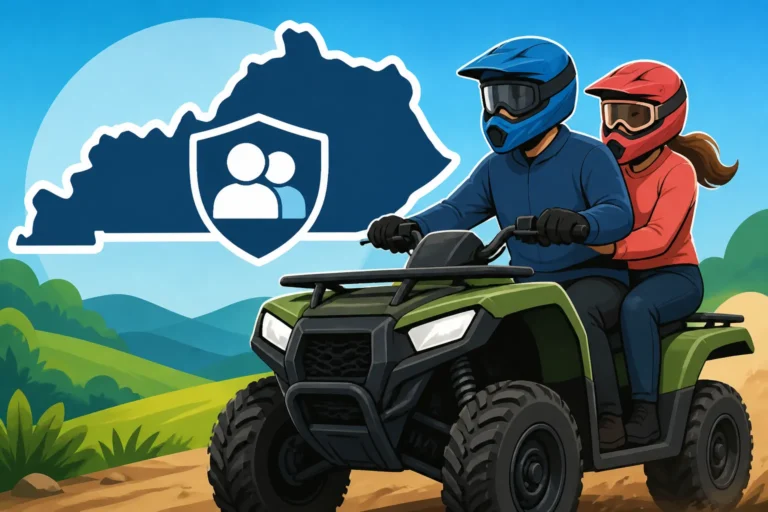
Generally speaking, if you're under 16 years old, the helmet rule is pretty ironclad, regardless of where you're riding—private property or public trails. This is about protecting our youth, who may have less experience or slower reaction times. For adults, the helmet requirement often comes into play more directly when riding on public property, designated trail systems, or if you're engaging in activities that fall under specific regulations, such as operating a special purpose vehicle (SPV) on a public road where permitted. However, even on private land, many private parks or landowners will mandate helmets for all riders as part of their liability and safety protocols. It's always best practice to assume a helmet is needed unless you're absolutely certain of an exemption.
The Specifics of the Farm Work Exemption
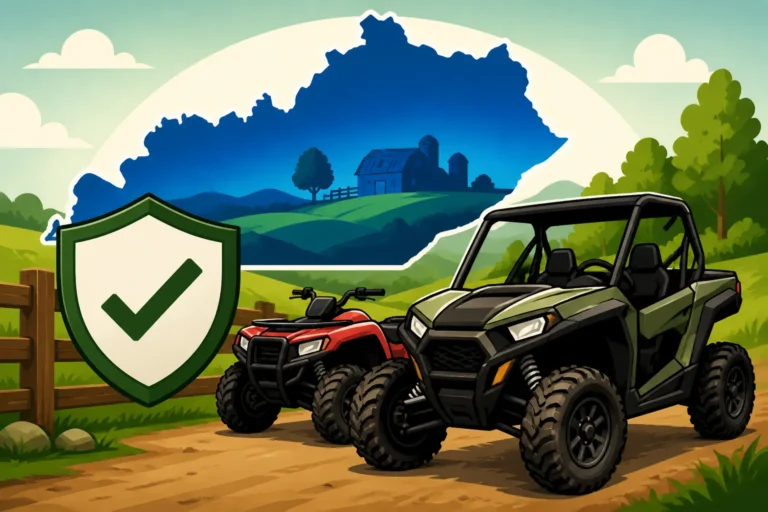
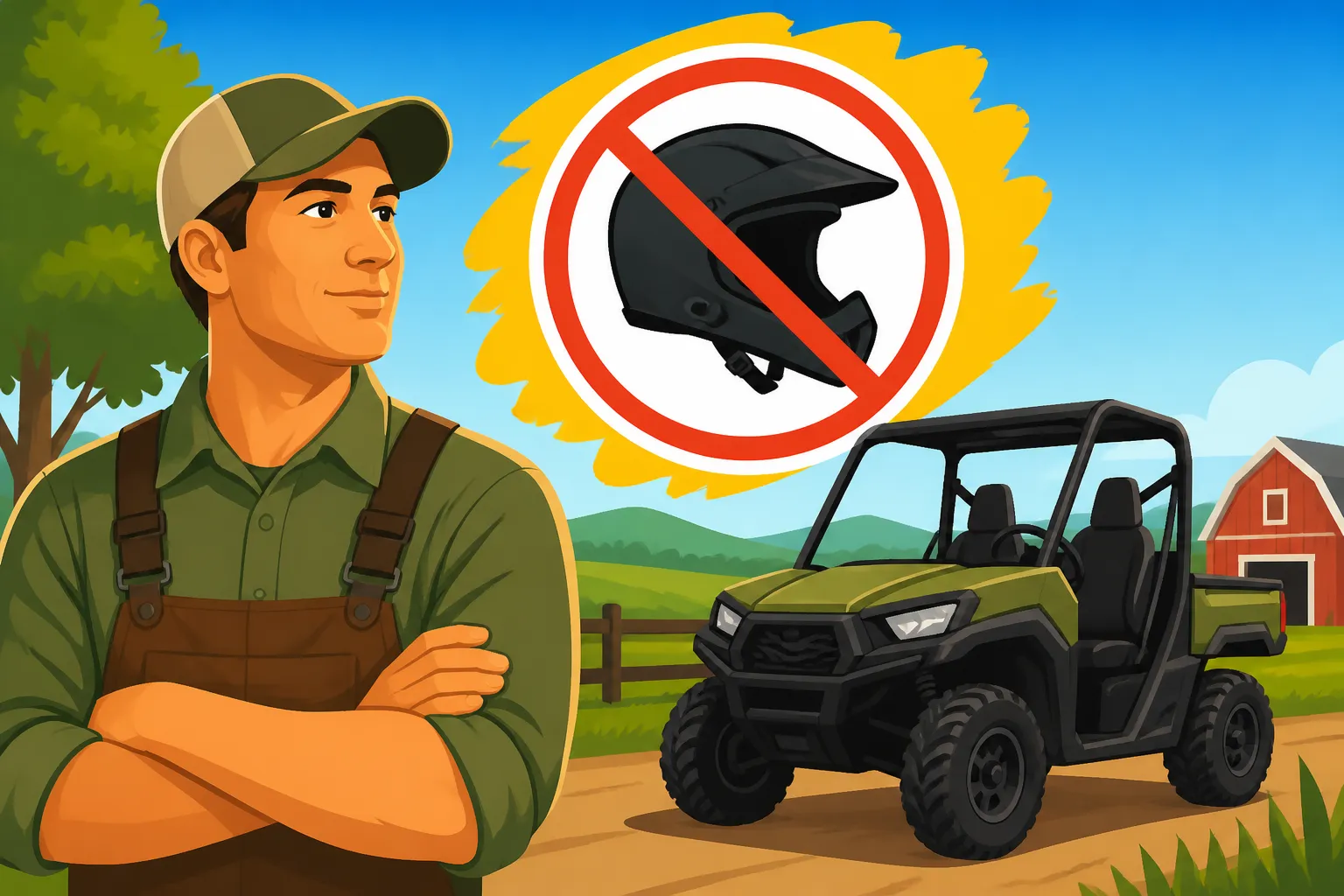
Now, for the big question: what about riding on the farm? Kentucky law acknowledges that ATVs and UTVs are indispensable tools for many farming operations. These machines aren't just for recreation; they're workhorses, hauling feed, checking fences, moving equipment, and generally making life easier on the farm. Recognizing this practical reality, the state offers a specific exemption from the helmet requirement when an ATV is being used for bona fide agricultural purposes. It’s not a blanket pass to go helmetless everywhere, but it provides necessary flexibility for those who depend on their machines for their livelihood. This exemption highlights the distinction between riding for leisure and using an ATV as a piece of essential farm equipment, a nuance that many states miss.
Defining "Farm Work" in the Context of ATV Use
So, what exactly counts as "farm work" in the eyes of the law? Generally, it refers to tasks directly related to the operation and maintenance of a farm. This could include:
- Checking livestock: Riding out to the pastures to check on cattle, horses, or other animals.
- Hauling feed or supplies: Using your ATV or UTV to transport bags of feed, tools, or small equipment across the property. Think about loading up a SuperATV cargo box with fence posts to mend a broken line.
- Inspecting crops or fields: Surveying your land, checking irrigation, or looking for pests.
- Repairing fences or structures: Carrying tools and materials to perform maintenance tasks around the farm.
- Moving equipment: Shuttling small implements or machinery from one point to another.
- Managing timber or land: If part of your farm operation involves forestry or land management, tasks like inspecting wooded areas for disease or damage might fall under this.
The key here is that the ATV is being used as a functional part of the agricultural operation, not just for a joyride across the back forty. It's about legitimate, productive work, which is why the Kentucky Helmet Exemption for Farm Work is so specific.
Conditions and Limitations of the Exemption
While the farm work exemption is a welcome relief for many Kentucky farmers, it's not without its boundaries. This isn't a free pass to ignore safety; it's a specific carve-out for particular circumstances. The most crucial condition is that the ATV or UTV must be used for agricultural purposes on private farmland. This means if you finish hauling hay and then decide to take the kids for a spin down the county road for fun, that's no longer considered "farm work," and the general helmet rules would likely apply.
Furthermore, the exemption typically pertains to adults. For riders under the age of 16, the rules often remain stricter, and a helmet is usually still required, even during farm work. The law prioritizes the safety of minors above all else, regardless of the task at hand. It's also important to remember that this exemption generally applies to private land. If your farm borders a public road and you need to briefly cross that road for farm operations, you might be covered under different allowances, but continuous riding on public roads for farm work without a helmet could still put you in violation. Always be clear about whether your activity truly qualifies as farm work and if you are still on your own property or an adjacent, legally accessible piece of private farmland.
Practical Considerations for Kentucky Farmers
Navigating the legal landscape of ATV use, even with exemptions, can feel like a minefield. As a farmer, your focus is on getting the job done, not constantly worrying about potential legal grey areas. However, a little forethought can save a lot of headaches down the line. Understanding how to demonstrate that your activity falls under the farm work exemption, and maintaining a commitment to safety even when not legally required to wear a helmet, are both crucial aspects of responsible ATV ownership.
Proving Farm Work if Questioned
Imagine you're checking fences on the far side of your property, near a public easement, and a local official stops to ask questions. How do you quickly and clearly establish that you're engaged in bona fide farm work? It's usually about common sense and context.
- Visual cues: Are you carrying tools? Are you towing a small trailer with feed? Is your machine rigged with SuperATV accessories like a sprayer or a spreader? These visual indicators speak volumes.
- Location: Are you clearly on private farmland, away from recreational trails or public roads?
- Activity: Can you articulate what specific farm task you are performing? "I'm checking the cattle fence line," or "I'm delivering mineral supplements to the herd."
- Documentation (if needed): While rare for routine farm work on private land, if there's ever a dispute, having proof of agricultural operation (e.g., farm registration, tax records) could back you up.
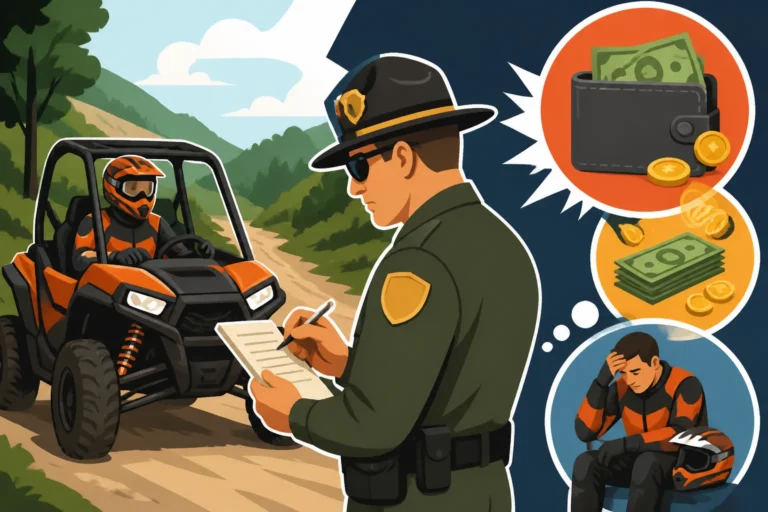
Most law enforcement officers in rural Kentucky understand the role ATVs play in farming and are generally reasonable. The key is to be polite, clear, and ensure your activities genuinely fit the exemption. Don't push the boundaries of what constitutes "farm work" just because you can.
Safety Best Practices Even With the Exemption
Just because the law might not require a helmet for your farm tasks doesn't mean you should toss safety to the wind. Farm work, by its nature, can be incredibly dangerous, and an ATV accident can easily compound those risks.
- Consider a helmet anyway: Especially for more challenging tasks or unfamiliar terrain. A bump on the head from a low-hanging branch or a roll-over can still happen. Many farmers opt for lightweight, comfortable helmets that offer protection without being overly cumbersome.
- Wear appropriate gear: Sturdy boots, long pants, and gloves are always a good idea. They protect against scrapes, impacts, and potential chemical exposure.
- Maintain your machine: A well-maintained ATV is a safer ATV. Regularly check tires, brakes, lights, and fluid levels. A breakdown in a remote pasture isn't just an inconvenience; it can be dangerous.
- Avoid distractions: Farm work often means multitasking, but focus on the task at hand when operating your ATV.
- Know your limits: Don't overload your machine or attempt tasks beyond its capabilities or yours. If a job feels too risky, find another way.
- Training: Even if you've been riding for years, a refresher safety course can highlight new techniques or reinforce good habits. Safety is always paramount, and the Kentucky Helmet Exemption for Farm Work should not be seen as an excuse to neglect it.
Differentiating Farm Use from Recreational Use
This is where things can get a little tricky, especially for those of us who live and work on the land but also enjoy riding for fun. The lines can blur, and misunderstanding these distinctions can lead to potential issues. Kentucky law, like that in many other states, recognizes a clear difference between an ATV as a piece of farm equipment and an ATV as a recreational vehicle. Your intent and the nature of the activity are what truly matter here.
The Fine Line Between Chores and Fun
It's easy to see how a quick trip across the fields to check on a newborn calf could segue into a leisurely ride along the creek bed to clear your head after a long day. But that "leisurely ride" is precisely where the farm work exemption might cease to apply. The key question to ask yourself is: "Am I using this ATV primarily for a task directly related to the agricultural operation of my farm, or for enjoyment and leisure?"
Consider this scenario: You've spent all morning mending fences, hauling tools and supplies using your ATV. You're hot and tired, so you decide to take a spin around your property's perimeter just to cool off and enjoy the scenery before heading inside. While still on your private land, that "spin around the perimeter" might not strictly qualify as farm work. It shifts from a functional task to a recreational one. The intent behind the ride is crucial. If you're doing something that could be considered fun, but it's also a legitimate part of your farm duties—like checking a remote section of pasture for invasive plants, which is both a chore and might involve a scenic ride—it still typically falls under the exemption. It's when the primary purpose is purely recreational that you need to be mindful. You can find more information on general use in [Kentucky Rules for Riding Private Land].
Implications for Mixed-Use Scenarios
Many farmers use their ATVs for both work and play. It's a versatile machine, after all! This "mixed-use" scenario requires a bit more thought. If you switch from farm work to recreational riding, even on the same day and on the same property, you should be prepared to switch your safety gear accordingly.
Here’s a practical way to think about it:
| Activity Type | Purpose | Helmet Required (Generally) | Considerations |
|---|---|---|---|
| Farm Work | Checking livestock, hauling feed, repairs | No (adults only) | Must be directly agricultural, on private land. Under-16 riders usually still need one. |
| Recreational Use | Joyriding, trail riding, exploring | Yes | Even on private land, best practice to wear. Mandatory on most public trails. |
| Crossing Public Rd | Brief crossing for farm work | Often No (if exempt) | Very specific rules apply to road crossings; duration and purpose are key. |
| Road Riding (SPV) | Operating as Special Purpose Vehicle | Yes | Requires specific registration, equipment, and insurance. Strict limits apply. See [Kentucky Street Legal UTV Requirements]. |
If you're heading out to check the cows and then plan to meet friends later for a casual ride on another part of your property, it's wise to have your helmet easily accessible. Put it on when you transition from "work mode" to "play mode." This demonstrates responsibility and ensures you're protected should a recreational mishap occur. Remember, the exemption for farm work is a specific allowance, not an invitation to disregard safety once the chores are done. Thinking ahead, and perhaps outfitting your UTV with a sturdy roll cage from SuperATV for added protection, can give you peace of mind no matter the task.
Disclaimer
This article is for general informational purposes only and does not constitute professional advice. Laws, prices and regulations vary by location and change over time. Consult a qualified professional for guidance on your specific situation.