Kentucky Helmet Law for Passengers
It's a fantastic feeling to share the thrill of an ATV or UTV ride with a passenger, whether it's your spouse, a good buddy, or especially a child. But let's be honest, trying to keep track of all the rules and regulations can feel like navigating a muddy creek bed after a week of rain. One area that often leaves folks scratching their heads is Kentucky's helmet law, particularly when it comes to passengers. This guide is here to clear up that confusion, helping you understand exactly when and where your passenger needs to don a helmet to stay safe and compliant with the law.
The Core Rule: When a Kentucky Passenger Needs a Helmet
When you boil it down, Kentucky law has some pretty clear directives about helmets, and passengers are definitely part of that conversation. The primary piece of legislation to remember isn't about where you're riding, but who is riding. For passengers, the law focuses heavily on age, which can sometimes feel counterintuitive if you're thinking about trail versus road use. It's a common misconception that helmets are only for specific types of riding, but for passengers, it's more universal than you might think.
Under Sixteen, Helmet Mandatory
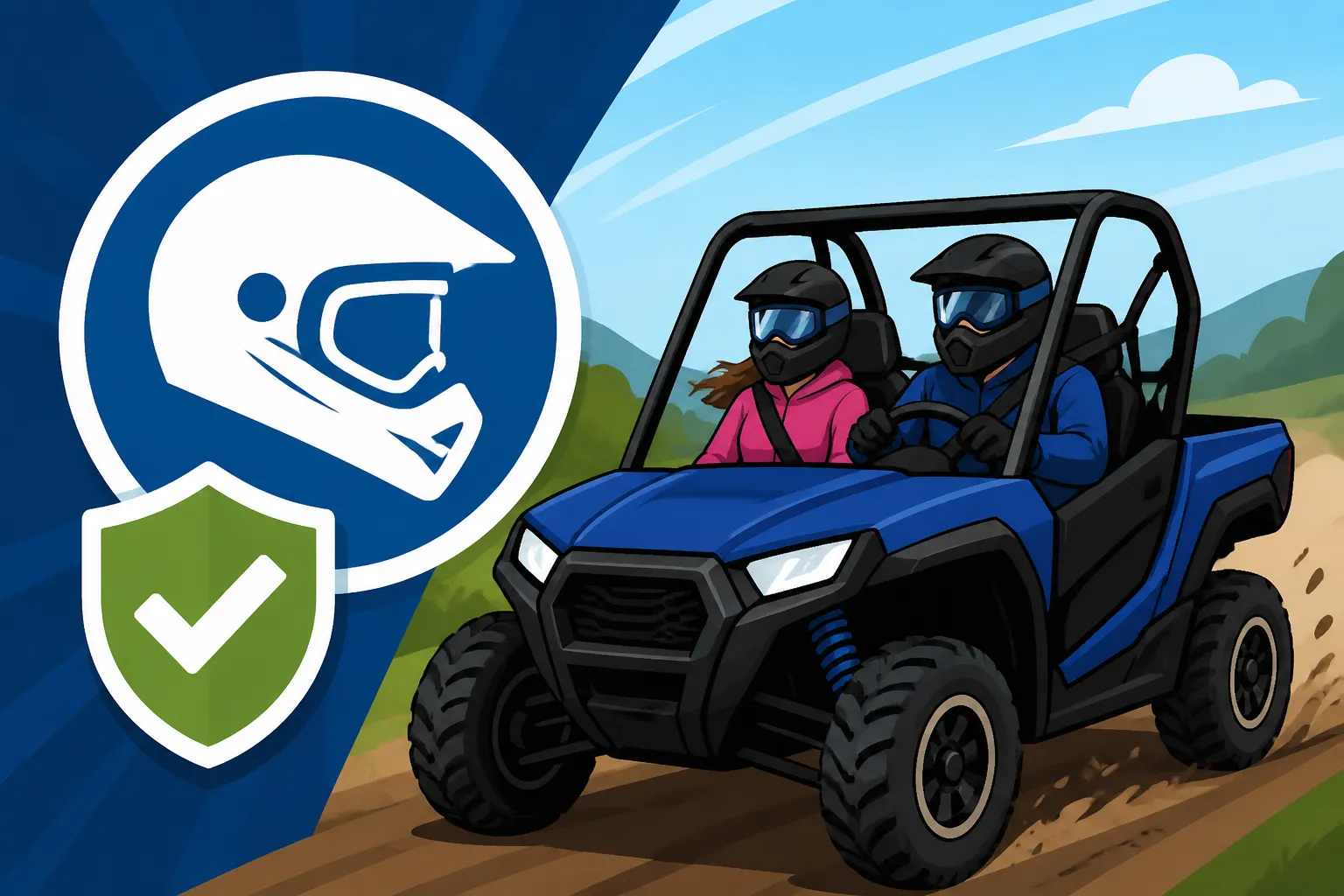
Here's the big one: if your passenger is under the age of sixteen, they absolutely, unequivocally must wear a helmet. There are very few exceptions to this rule, and it applies whether you're ripping through Black Mountain Off-Road Adventure Area, cruising a farm road, or simply puttering around private property that isn't your own. It doesn't matter if they're on a full-size side-by-side with seatbelts and a roll cage or clinging to the back of a sport quad; if they're not yet 16, that helmet needs to be strapped on snugly. This isn't just a suggestion; it's a legal requirement designed to protect our youngest riders from serious head injuries, which, let's face it, can happen even on seemingly gentle rides. Think about a sudden stop, a bumpy patch, or an unexpected tree branch – a helmet can be the difference maker.
No General Helmet Mandate for Adult Passengers
Now, here's where it gets a little more nuanced, and often, where the confusion starts. For passengers aged sixteen and older, Kentucky law does not have a blanket requirement for helmet use on ATVs or UTVs. That's right, if your passenger is 16 or older, they generally aren't legally required to wear a helmet when riding. This might surprise some folks, especially given the inherent risks of off-road riding. However, it's crucial to understand that "not legally required" is vastly different from "not recommended." Many experienced riders and safety advocates would strongly suggest that everyone, regardless of age, wear a helmet when on an ATV or UTV. If you're looking to upgrade your safety gear, a company like SuperATV offers a wide range of helmets that provide excellent protection for all ages, regardless of the legal mandate. The trails are unpredictable, and even the most skilled driver can encounter unforeseen obstacles.
Beyond the Basic Rule: Public vs. Private Land and Park Rules
While the state law focuses heavily on the age of the passenger, it's vital to remember that where you ride can add extra layers of regulation. If you're riding on public land, like a state park or a designated off-road riding area, those specific parks often have their own rules that might be stricter than the baseline state law. For example, many parks will require all riders, including adult passengers, to wear helmets. You can find more details about [Kentucky Rules for a Passenger on an ATV] in specific contexts. Always check the rules of your chosen riding destination before you head out. These park-specific rules are often posted at the entrance or on their websites, and they are usually enforced by park rangers or local law enforcement patrolling those areas. Ignoring them could lead to fines or being asked to leave the property, putting a damper on your whole day.
Specific Situations: Exemptions to the Passenger Helmet Law
Even with clear rules, life on the farm or out in the wild sometimes requires practical exceptions. Kentucky law recognizes certain scenarios where the general helmet rules, even for those under 16, might be relaxed or lifted entirely for passengers. These aren't loopholes to exploit, but rather carefully considered exemptions for specific work-related activities. It's essential to understand the narrow scope of these exemptions; they don't apply to recreational riding, no matter how remote your location might be.
Farm Work Exemptions
One of the most common exemptions you'll encounter in Kentucky pertains to farm work. If you're using an ATV or UTV for agricultural purposes, such as hauling feed, checking fences, or moving equipment around your own farm property, the helmet requirement for passengers under 16 can be waived. This makes sense for the practical realities of farming. Imagine a young helper quickly jumping on and off the back of a UTV to open gates or retrieve tools. Constantly donning and doffing a helmet for short, slow-speed tasks would be highly impractical and potentially unsafe in itself if it distracts from the work. This exemption is strictly for bona fide agricultural operations. It doesn't apply if you're just joyriding on a large farm property. For more on the specific details, you might want to read up on [Kentucky Helmet Exemption for Farm Work].
Mining Operations and Logging Sites
Similar to farm work, Kentucky law also provides exemptions for passengers engaged in mining and logging operations. These are industrial settings where ATVs and UTVs are used as essential tools for transportation and work. Passengers, including those under 16, would not be required to wear helmets while actively involved in these specific vocational tasks on mining or logging sites. This acknowledges the unique environments and operational needs of these industries. However, just like with farming, this exemption is tied directly to the work being performed. If you're simply visiting a mining or logging site for recreational purposes, or if the ATV is not being used for its primary work function, the general helmet rules would still apply.
Why Recreational Riding is Different
It's crucial to distinguish these work-related exemptions from recreational riding. The intent of these exemptions is to facilitate necessary work, not to provide an excuse for foregoing safety gear during leisure activities. When you're out on the trails at a place like Leatherwood Off-Road Park or just exploring some remote woods, the primary purpose is enjoyment and adventure. In these scenarios, the general rules regarding passenger helmets, especially for those under 16, remain firmly in place. Don't assume that just because you're "working" to get to a fishing spot or hunting blind, it falls under a work exemption. The law is very specific about the nature of the work. If you are preparing for a work-related activity, you may find that SuperATV's utility products can make tasks easier, but always ensure compliance with safety regulations.
Age Matters: Helmets for Younger Passengers in Kentucky
The emphasis on age for ATV and UTV passengers in Kentucky is no accident; it's a direct reflection of safety data and the understanding that younger riders have different vulnerabilities and developmental stages. For parents, guardians, or anyone transporting a child, this aspect of the law requires careful attention. It's not just about avoiding a fine; it's about protecting precious cargo. The law around [Kentucky Rules for a Rider Under 16] also plays into this.
The Manufacturer's Age Label and Passenger Rules
Kentucky law incorporates the manufacturer's age recommendations into its statutes, which has a ripple effect on passenger rules, especially for children. Every ATV and UTV comes with a manufacturer's age label, indicating the minimum age for an operator. For many youth ATVs, this might be 6, 10, or 12 years old. For adult-sized machines, it's typically 16 and up. While these labels primarily apply to operators, they inform the broader safety discussion around young passengers. If a child is too young to operate an ATV, their presence as a passenger, especially on an adult-sized machine, should always be met with the highest safety precautions, including a properly fitted helmet. Even if the law doesn't explicitly state a minimum age for passengers on every machine, the spirit of the law and the manufacturer's guidelines strongly advocate for extreme caution.
Proper Helmet Fit for Children
Getting a helmet for a child isn't just about grabbing one off the shelf. A helmet that's too big or too small offers minimal protection. For a passenger under 16, not only is a helmet legally required, but it must fit properly. This means it should be snug, not wiggle around, and the chin strap should be securely fastened. Many parents struggle with this, especially as kids grow quickly. It's often worth visiting a specialty shop where trained staff can help measure and fit a helmet correctly. A helmet that's designed for powersports, with DOT approval, is essential. For little ones, it might mean looking at youth-specific helmets, which offer better fit and weight distribution for smaller heads and necks. You wouldn't put a child in an ill-fitting car seat, and the same principle applies to helmets.
Supervising Young Passengers
Beyond the helmet, supervising young passengers is paramount. A helmet provides crucial head protection, but it doesn't solve every safety concern. Passengers need to understand how to ride safely, where to hold on, and how to react to bumps and turns. This becomes even more critical when riding with [Kentucky Rules for a Rider Under 16] operating their own machine. For passengers, ensure they can reach the handholds, keep their feet on the footrests, and stay seated properly. Never allow a child to stand up or lean out while the machine is in motion. Consistent communication about the terrain and upcoming maneuvers can also significantly enhance their safety and enjoyment. Many UTVs have grab handles and even harnesses that can be installed to add an extra layer of security, and SuperATV is a great place to find robust options for these accessories to keep everyone secure.
Making the Right Call: Ensuring Passenger Safety
Navigating the nuances of Kentucky's helmet laws for passengers, especially with the age considerations and specific exemptions, can feel like a lot to juggle. But ultimately, it all comes down to making responsible choices to ensure everyone on your ride gets home safely. Laws are a baseline, but personal judgment and a commitment to safety often need to go above and beyond the minimum legal requirements.
Understanding the Risks, Mitigating the Dangers
Let's be real: ATVs and UTVs are powerful machines designed for rough terrain. Even at low speeds, a tip-over, a collision with an unseen obstacle, or a sudden stop can result in serious injury. Head injuries are among the most devastating, and a helmet is your passenger's best defense. While the law might not require an adult passenger to wear a helmet, consider the "what if." What if you hit a rogue rock, or slide on some wet leaves? The consequences of a head injury far outweigh the minor inconvenience of wearing a helmet. Encouraging or even requiring all your passengers, regardless of age, to wear a helmet is a smart, responsible choice. It sets a good example, too, especially for any younger riders who might be watching.
The Role of Park Rules and Local Ordinances
As we touched on earlier, state law isn't the only authority. Many of Kentucky's popular riding destinations, like the vast network of trails at Black Mountain or Rush Off-Road, have their own specific regulations. These often include stricter helmet rules that require all riders and passengers to wear helmets. These rules are usually in place for good reason – to enhance safety in high-use, challenging environments. Always, always check the park's specific rules before you visit. A quick call or a visit to their website can save you a headache (and potentially a fine). Ignoring these local rules could lead to getting [Kentucky Fines for No Trail Permit] or for illegal operation.
Equipping for Passenger Safety
Beyond just the helmet, consider other safety gear and machine enhancements that can improve your passenger's experience and safety. For UTVs, ensure all seatbelts are functional and used correctly. Adding grab handles, if your machine doesn't have adequate ones, can give passengers a secure place to hold on during bumps and turns. Side mirrors are also a great addition, even if not legally required for all riding, as they help the driver stay aware of their surroundings, including their passenger. SuperATV offers a wealth of aftermarket accessories designed to enhance both driver and passenger safety and comfort, from upgraded harnesses to robust roll cages. A little investment in safety gear is a small price to pay for peace of mind and protection on the trails.
| Passenger Age | General Helmet Requirement (State Law) | Common Exemptions (Work-Related) | Recreational Riding on Public Trails |
|---|---|---|---|
| Under 16 | Mandatory | Exempt for genuine farm, mining, or logging work | Mandatory (often by park rules) |
| 16 and Over | Not legally mandatory | Not applicable (already no mandate) | Often Mandatory (by park rules) |
Remember, your judgment as a driver is the most important safety tool you have. Drive within your skill limits, be aware of the terrain, and prioritize the safety of everyone sharing your ride.
Disclaimer
This article is for general informational purposes only and does not constitute professional advice. Laws, prices and regulations vary by location and change over time. Consult a qualified professional for guidance on your specific situation.