Hauling Feed Down a Holler Road
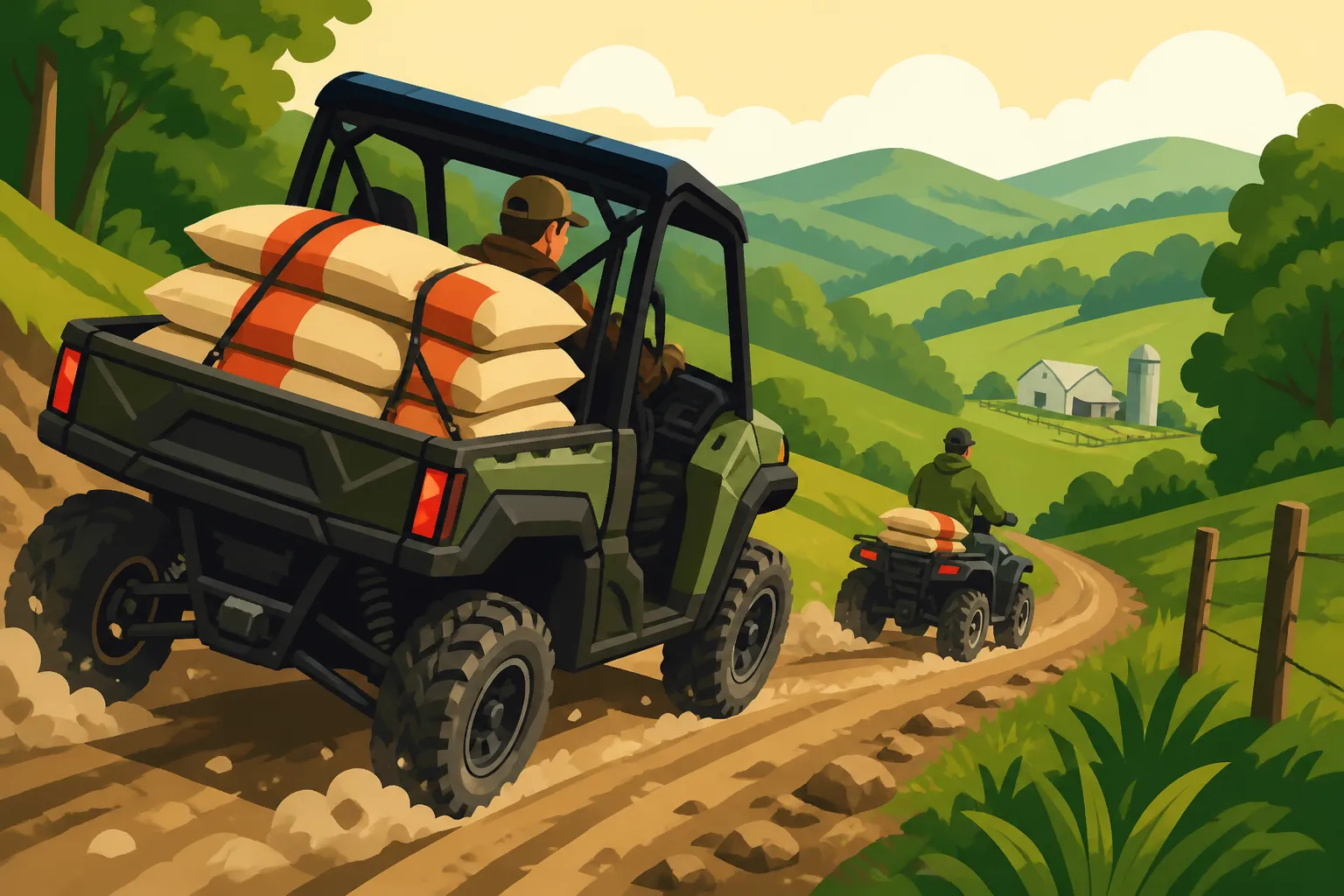
It's a familiar scenario in rural Kentucky: you've got a bag of feed, a bale of hay, or some tools that need to get from your barn to the pasture, or maybe just across that short stretch of county road separating two parts of your property. You hop on your ATV, only to pause and wonder, "Is this even legal?" Navigating Kentucky's rules for ATVs on public roads can feel like traversing a winding holler in the dark, full of unexpected twists and turns. This guide will shine a light on the specific allowances and critical limitations you need to understand to use your ATV responsibly and legally for farm-related tasks on those Kentucky roads.
Kentucky's Default Stance on ATVs on Public Roads
Let's cut right to the chase: in Kentucky, the general rule is that ATVs are not allowed on public roads. This isn't just a suggestion; it's the law. Many folks moving into rural areas or even those who've lived here their whole lives sometimes assume that because ATVs are common sight, they must be broadly permitted for short trips. But that's a dangerous assumption to make. The Kentucky legislature has made it very clear that roads are primarily for vehicles like cars, trucks, and motorcycles, which are designed and equipped for highway use.
Why Roads Are Generally Off-Limits
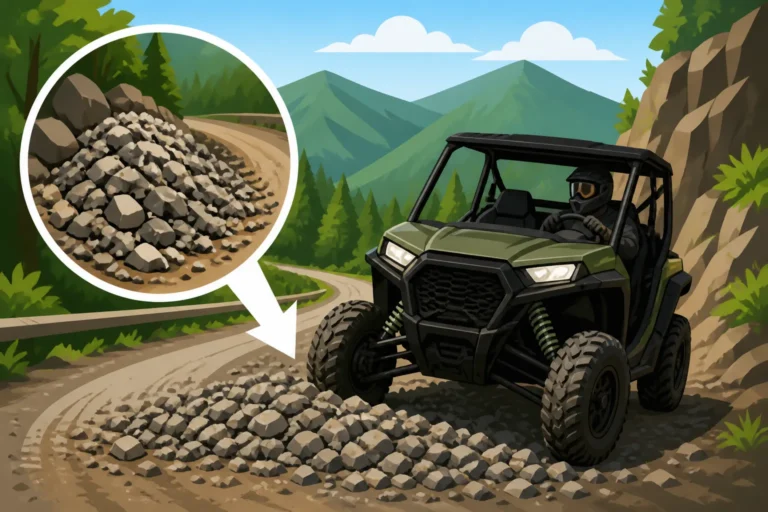
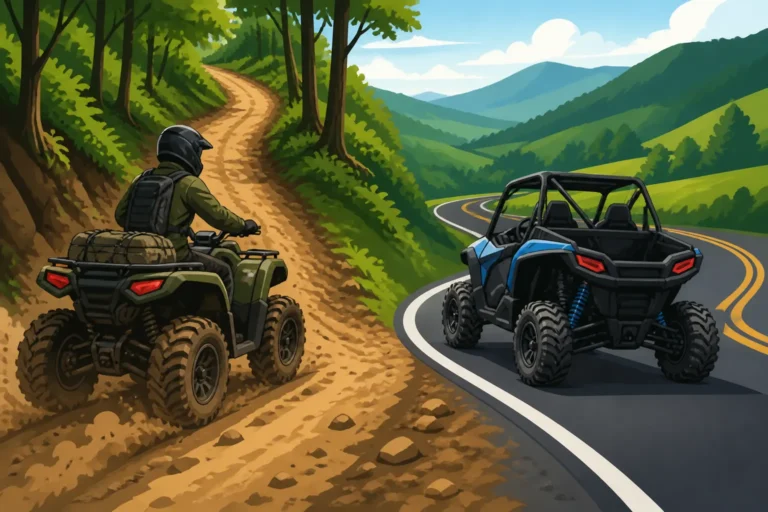
The rationale behind this default ban is rooted in safety and vehicle design. ATVs, by their very nature, are built for off-road terrain. They typically have a higher center of gravity, knobby tires not optimized for pavement grip, and lack many of the safety features required for highway vehicles, such as turn signals, rearview mirrors, and often, adequate lighting for nighttime driving. Imagine a heavy-duty truck barreling down a winding state route and suddenly encountering an ATV around a blind curve. The size, speed, and maneuverability differences create a significant hazard. This is why the default position, as articulated in laws like [Why Kentucky Roads Are Closed by Default], is to keep ATVs off the blacktop.
The Consequences of Ignoring the Rules
Ignoring this default rule can lead to more than just a stern talking-to. You could be facing significant fines, a court appearance, and even have your machine impounded. Law enforcement officers, especially in rural counties, are often very familiar with these regulations, and they're out there specifically to enforce them to keep everyone safe. It's not uncommon to hear stories of someone getting a ticket for simply trying to cross a paved road or going a short distance down a county lane. The frustration is understandable when your property is split by a road, but the law doesn't always account for convenience. Understanding this baseline "no" is the crucial first step before we dive into the specific exceptions that might apply to your situation.
The Kentucky Farm Exemption: Hauling Feed Legally
Now for the good news: Kentucky law does provide a specific exemption for farm vehicles, and this often includes ATVs and UTVs when they are genuinely being used for farm purposes. This is the allowance that often lets you, for example, haul feed down a holler road without breaking the law. However, it's not a blanket permit to cruise wherever you like; there are very important conditions and limitations you need to be aware of.
What Constitutes "Farm Use"
For an ATV or UTV to qualify under the farm exemption, its use must be directly related to an agricultural operation. This means tasks like:
- Transporting feed, seed, fertilizer, or supplies: This covers our "hauling feed" scenario perfectly. Moving supplies from one field to another, or from a storage shed across the road to your barn, often falls under this.
- Moving livestock: Herding cattle, sheep, or other farm animals from one pasture to another, especially if it involves crossing a road.
- Inspecting crops or fences: Driving your ATV along a road that borders your property to check fence lines or crop conditions.
- General farm maintenance: Transporting tools, parts, or small equipment needed for repairs and upkeep on different sections of your farm.
It's critical to understand that "farm use" does not mean joyriding, going to the local store for groceries, or visiting a neighbor for purely social reasons, even if you still live on a farm. The intent and purpose of the trip must be unequivocally agricultural. For instance, using your SuperATV UTV to move fence posts is a clear farm use. Using it to run into town for a pizza isn't.
Specifics of the Farm Exemption: No Mileage Cap, Daylight Only
One of the most appealing aspects of [Kentucky's Farm Exception With No Mileage Cap] is exactly what it says: there's generally no set mileage limit for how far you can travel on a public road, provided you are still engaged in a legitimate farm operation. This is a significant difference from other limited road use exceptions, which often have strict distance restrictions, like the [0.2 Mile and Not a Yard More] rule for certain crossings. So, if your farm fields are a mile apart, and the most practical way to move supplies between them involves a mile-long stretch of a county road, the farm exemption could cover you.
However, this freedom comes with another critical caveat: you must operate the ATV during daylight hours only. [Daylight Only Under the Statute] is a hard rule for farm use. You cannot legally use this exemption to haul feed or move equipment after sunset or before sunrise. Visibility is a huge factor here for both your safety and the safety of others on the road.
Furthermore, while the farm exemption allows for road use, it does not exempt you from exercising caution. You should always travel on the shoulder if possible, yield to other vehicles, and operate your ATV as safely as possible. Remember, you're sharing the road with much larger and faster vehicles.
Practicalities and Pitfalls of Farm Road Use
Understanding the letter of the law is one thing, but applying it in the real world of Kentucky's hollers and backroads brings its own set of challenges and considerations. You want to be prepared, not surprised, especially when a deputy might be coming down that same road.
What Documentation to Carry
Even though your ATV might be exempt from titling for farm use if it was purchased before a certain date or has never left your property (as covered in [Why a County Clerk Rejects an Engine Number] or [Why Kentucky Titles Machines Bought After July 2010]), if you're venturing onto a public road, you need to be able to prove ownership and that you're using it legitimately for farming. While Kentucky does not register ATVs, carrying a bill of sale, a certificate of origin, or even a title (if you have one) is a smart move. This helps establish that the machine belongs to you and isn't stolen.
You should also be prepared to explain your purpose for being on the road. A simple, polite explanation like, "I'm just moving a sprayer from the lower field to the upper field," or "I'm taking feed to the cattle in the back pasture," will usually suffice. Carrying a valid driver's license, even if the ATV itself doesn't require a special license for farm use, is also a good practice, as it proves your identity to law enforcement.
Safety Gear and Common Sense
Kentucky's farm exemption doesn't negate the need for basic safety. While the state doesn't mandate a helmet for adults on ATVs on private land or for farm use, it's always, always a good idea to wear one when on any public thoroughfare. The risk of injury is significantly higher when sharing the road with other vehicles. Think about adding high-visibility flags or bright clothing, especially if you're on a blind curve or cresting a hill.
Also, ensure your ATV is in good working order. Check tires, brakes, and at least some form of lighting (even if it's not full street-legal lighting, ensuring your existing headlights and taillights work helps). When your SuperATV UTV has a load of feed in the bed, make sure it's secured properly so nothing falls out and creates a hazard for other drivers. Common sense dictates that you shouldn't be overloading your machine, driving erratically, or speeding on public roads. Remember, the exemption is for necessary farm work, not for reckless operation.
Avoiding Misinterpretation and Trouble
The biggest pitfall is misinterpreting the farm exemption as a general right to use public roads. It's not. This exemption is narrow and specific. If you're pulled over and you're not actively engaged in a farm-related task, or if it's after dark, you could face legal trouble.
Consider these scenarios:
- The "quick run to the store": You're out of milk and the closest store is just a mile down the road. Even if you're on a farm, this is not a farm use. Park the ATV, grab your truck or car.
- Nighttime repairs: Your fence breaks after dark, and you need to haul tools to fix it. This, unfortunately, would likely not be covered by the farm exemption due to the daylight-only rule. You'd need to find an alternative, wait until morning, or move the tools with a road-legal vehicle.
- Trail access: You're trying to get to a local riding trail system. This is recreation, not farm use, and the exemption would not apply. You'd need to trailer your machine, as explored in articles like [Where to Ride an ATV in Kentucky].
The core message here is to be honest about your intentions and always default to caution. If there's any doubt whether your specific use case falls under the farm exemption, err on the side of not using the public road. It's better to be safe than sorry, especially when facing a potential citation or, worse, an accident.
Other Limited Road Use Allowances in Kentucky
While the farm exemption is the primary focus for our "hauling feed down a holler road" scenario, it's worth briefly touching on a couple of other very limited circumstances where ATVs might legally touch pavement in Kentucky. These are generally even more restrictive than the farm exemption.
Crossing a Highway or Road
Kentucky law allows for a very brief crossing of a public highway or road for the purpose of getting from one portion of a property to another. This is often referred to as the "0.2-mile rule" or similar, as discussed in [Crossing a Two-Lane at Ninety Degrees in Kentucky] or [Two-Tenths and Then You Are Off]. This is literally for crossing, not for traveling any significant distance down the road.
Emergency and Utility Work
In very specific instances, ATVs may be operated on public roads by emergency personnel (like search and rescue) or utility workers during emergencies or for maintenance of utility lines. These are highly specialized situations and typically involve official vehicles and trained operators with specific authorizations. This does not apply to the average ATV owner.
These exceptions highlight just how tightly controlled ATV use is on Kentucky's public roads. Each one is designed for a very particular, often critical, purpose and comes with its own strict set of conditions. For the vast majority of ATV owners, if you're not on private property or a designated trail, you need to be very certain you fall under one of these narrow exemptions, with the farm exemption being the most common for rural residents. Always check the specific wording of the law or consult with local law enforcement if you have unique circumstances that you believe might qualify for one of these rare allowances.
Table: Kentucky ATV Road Use Exemptions at a Glance
To help clarify the various allowances and restrictions, here's a quick reference table. Remember, "No" means generally prohibited unless a specific exception applies, and even then, conditions are strict.
| Activity/Purpose | General Rule on Public Roads (Kentucky) | Key Conditions/Notes (If Allowed) | Relevant Internal Link Examples |
|---|---|---|---|
| Hauling Feed / Farm Use | Generally Allowed (with exemption) | Must be directly related to active agricultural operation. Daylight hours only. No set mileage cap while engaged in farm work. Exercise caution. | [Kentucky's Farm Exception With No Mileage Cap], [Daylight Only Under the Statute] |
| Crossing a Road | Allowed (very brief) | For getting from one part of a property to another. Very short distance (e.g., [0.2 Mile and Not a Yard More]). Must be a perpendicular crossing, done safely and quickly. | [Crossing a Two-Lane at Ninety Degrees in Kentucky] |
| Recreational Riding | Prohibited | ATVs are designed for off-road. Roads are for registered, street-legal vehicles. | [Why Kentucky Roads Are Closed by Default], [Where to Ride an ATV in Kentucky] |
| Commuting/Errands | Prohibited | Even short trips to the store or a neighbor's house are not permitted, regardless of distance or if you live on a farm. | [Kentucky Rules for Riding a County Road] |
| Emergency/Utility Work | Allowed (specific roles) | Only for authorized personnel (e.g., emergency services, utility crews) during official duties or emergencies. Does not apply to private citizens. | [When Emergency Road Work Lets an ATV on Pavement] |
| Street Legal Conversion | Highly Restricted/Specific Class | Kentucky has very specific laws for "Special Purpose Vehicles" (SPVs), which are distinct from standard ATVs. Requires inspection, registration, specific equipment, and only allowed in opt-in cities. | [Kentucky Street Legal UTV Requirements], [The $25 Kentucky Inspection] |
This table provides a snapshot, but it's crucial to delve into the details of each specific rule if you believe it applies to your situation. The nuances are important, and misunderstanding them can lead to trouble.
Disclaimer
This article is for general informational purposes only and does not constitute professional advice. Laws, prices and regulations vary by location and change over time. Consult a qualified professional for guidance on your specific situation.