Motorcycle Insurance on a Side-by-Side
There's a specific kind of head-scratching that comes with trying to make sense of Kentucky's rules for side-by-sides, especially when you start thinking about riding them on public roads. It's a common frustration to hear you might need "motorcycle insurance" for your UTV, and it leaves many folks wondering if they bought the wrong machine or are misunderstanding something crucial. This guide is here to untangle that confusion, explaining why your side-by-side, if it's venturing onto Kentucky roads, often requires a very specific type of insurance that looks a lot like what a motorcycle would carry.
Understanding Kentucky's Street Legal Landscape for Side-by-Sides
Kentucky has a unique approach to off-road vehicles. For the most part, our state considers ATVs and UTVs as machines designed purely for off-highway use. This means that if you're just using your side-by-side on private land, at a trail park like Black Mountain, or for farm work, you typically don't need to worry about state registration or specific insurance mandates for road use. The moment you want to put a tire on a public highway, however, things change dramatically, and you enter a whole new world of regulations.
The Distinction Between Off-Road and On-Road Use in Kentucky
For many years, the idea of legally riding an ATV or UTV on public roads in Kentucky was largely a pipe dream, confined to very narrow exceptions like crossing a road at a ninety-degree angle or for specific agricultural purposes. [Why Kentucky Does Not Register ATVs] for general recreational use is a key piece of this puzzle – the state simply wasn't set up for it. These machines were seen as off-road only, and the laws reflected that. This created a significant gap for riders who wanted to connect trails, run into town for supplies, or simply use their UTVs more flexibly without breaking the law.
This strict distinction is what led to a lot of the initial frustration. People would buy a capable side-by-side, perfect for their property or the local trails, only to find themselves hemmed in by invisible legal boundaries once they approached a paved road. It felt like these versatile machines were being unfairly restricted, especially when neighboring states had different, more permissive rules.
The Special Purpose Vehicle Classification in Kentucky
Recognizing the growing popularity and versatility of side-by-sides, Kentucky eventually introduced the "Special Purpose Vehicle" (SPV) classification. This was a game-changer, providing a legal pathway for UTVs to operate on certain public roads, albeit with significant stipulations. An SPV isn't just any side-by-side; it's a machine that has met specific equipment requirements, undergone an inspection, and has been properly titled and registered for road use. Think of it as Kentucky's way of saying, "Okay, you want to use your UTV on the road? Here's exactly what you need to do to make it happen legally and safely."
Getting your side-by-side classified as an SPV is a multi-step process, beginning with ensuring your machine has all the necessary safety equipment, like headlights, taillights, brake lights, turn signals, and mirrors. Many stock UTVs don't come with all these features straight from the factory, meaning aftermarket parts are often required. [Kentucky SPV Equipment List] details these requirements, which often involve components from companies like SuperATV that specialize in off-road accessories. Once equipped, the machine must pass an inspection, usually conducted by law enforcement, to verify it meets all the standards. After a successful inspection, you can then proceed with titling and registration at your county clerk's office, transforming your off-road warrior into a street-legal SPV. It's a journey, but it's the only way to officially bridge that gap between the trail and the pavement in Kentucky.
Why Your Side-by-Side Might Need Motorcycle Insurance in Kentucky
Once your side-by-side is deemed a Special Purpose Vehicle (SPV) and you've gone through the inspection and titling process, you're not just ready to hit the road – you're required to have insurance. This isn't optional; it's a fundamental part of operating any vehicle on public roads in Kentucky. And here's where the "motorcycle insurance" part often comes into play. Because side-by-sides, even as SPVs, don't neatly fit the traditional definition of a "car" for most insurance companies, they often get grouped with other specialized vehicles, most commonly motorcycles.
The Insurance Mandate for Street-Legal Machines
Kentucky law is very clear: if a vehicle is operating on public roads, it needs to be insured. This is to protect everyone on the road. Without insurance, if you were involved in an accident, the financial burden could be catastrophic for all parties involved. For a side-by-side titled as a Special Purpose Vehicle, this mandate is no different. You cannot legally register and operate your SPV on public roads without providing proof of financial responsibility, which typically comes in the form of an insurance policy. Just like a car or a truck, your SPV needs to have at least the minimum liability coverage required by the state. This liability coverage pays for damages or injuries you might cause to other people or their property in an accident, which is absolutely essential for safe and responsible road use.
Understanding this mandate is the first step. It's not about whether your side-by-side looks like a car or a bike; it's about its legal status once it leaves private land. The state considers it a vehicle capable of interacting with other traffic, and with that capability comes the responsibility of insurance. Attempting to ride your newly street-legal side-by-side on a county road without proper insurance could lead to significant fines and penalties, not to mention the immense personal risk if an accident were to occur. It's part of the comprehensive framework established by [Kentucky's 2025 Special Purpose Vehicle Law].
How Insurance Companies View Side-by-Sides for Road Use
Here's where it gets interesting and why the term "motorcycle insurance" pops up so frequently. Most standard auto insurance policies are designed for cars, trucks, and SUVs. These policies have specific rating structures and risk assessments based on the characteristics of those vehicles. Side-by-sides, even when street legal, are fundamentally different. They often have open cabins, different handling characteristics, and are generally seen as higher-risk vehicles by underwriters.
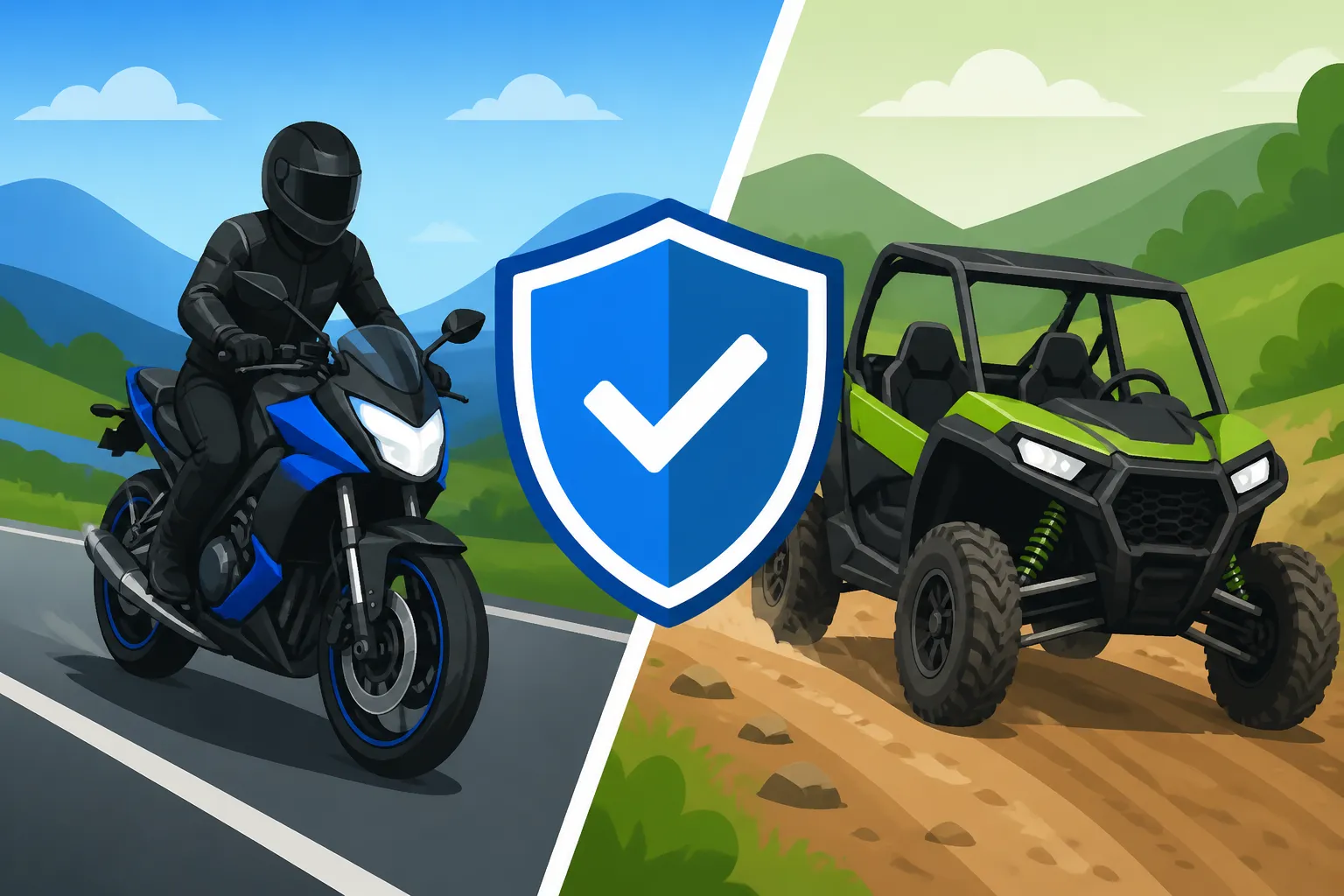
Because of these differences, insurance companies typically classify SPVs and UTVs for road use under their "powersports" or "recreational vehicle" divisions. And within those divisions, the closest analogue in terms of risk profile and policy structure is often a motorcycle. So, while you're not literally insuring a motorcycle, the policy you get for your street-legal side-by-side will likely be very similar in its terms, coverage types, and even pricing structure to a motorcycle policy. This specialized approach ensures that the unique risks associated with UTVs on public roads are properly accounted for, offering coverage that makes sense for the machine. You're not going to find a "Side-by-Side Auto Policy" in most places; instead, you'll be looking for policies designed for ATVs, UTVs, or motorcycles that can extend to street-legal applications. This is why when you start asking about insuring your SPV, many agents will guide you toward their motorcycle or powersports options.
Navigating Insurance Options for Kentucky Special Purpose Vehicles
Once you understand why your street-legal side-by-side needs specialized insurance in Kentucky, the next step is figuring out what kind of insurance to get and where to get it. It’s not as simple as picking a basic car policy, but it’s certainly manageable once you know what to look for. The goal is to secure a policy that not only meets Kentucky's legal requirements but also provides you with adequate protection for your specific machine and riding habits.
What "Motorcycle-Level" Insurance Really Means for a UTV
When we talk about "motorcycle-level insurance" for your Kentucky SPV, we're referring to a comprehensive set of coverage types that go beyond basic liability. While liability is the legal minimum, smart riders consider more robust protection. Here’s a breakdown of what that typically includes:
- Liability Coverage: This is the non-negotiable legal requirement. It protects you financially if you're at fault in an accident and cause injury to another person or damage to their property. Kentucky has minimum liability limits, but many riders choose higher limits for greater peace of mind.
- Collision Coverage: This covers damage to your own side-by-side if it collides with another vehicle or object, regardless of who is at fault. Given the investment in a UTV and any modifications (perhaps from SuperATV) you've made to make it street-legal, collision coverage can be invaluable.
- Comprehensive Coverage: This protects your SPV from non-collision incidents, such as theft, vandalism, fire, natural disasters (like hail or floods), or hitting an animal. If your side-by-side is stored outside or frequently taken to remote areas, comprehensive coverage is a wise addition.
- Uninsured/Underinsured Motorist (UM/UIM) Coverage: This is crucial for protecting yourself. If you're involved in an accident with another driver who either has no insurance or insufficient insurance to cover your damages and injuries, UM/UIM coverage steps in to help. On the road, you never know who you might encounter, making this a critical safeguard.
- Medical Payments (MedPay) or Personal Injury Protection (PIP): These cover medical expenses for you and your passengers, regardless of fault, up to specified limits. While not always mandatory, given the open nature of many side-by-sides, this can be an important layer of protection.
Think of it this way: [Motorcycle-Level Insurance for a Kentucky SPV] isn't just a fancy term; it's a recognition that your side-by-side, when on the pavement, faces similar risks and requires similar financial protections as a motorcycle would.
Finding the Right Provider and Policy for Your SPV
Shopping for SPV insurance isn't something you want to rush. Not all insurance providers offer the same types of policies for side-by-sides, and some may not offer them for street-legal use at all. Here are some tips for finding the right fit:
- Start with Your Current Insurer: If you already have car or home insurance, your current provider might offer powersports policies or be able to bundle your SPV insurance. This can sometimes lead to discounts or a more streamlined experience.
- Seek Powersports Specialists: Look for insurance companies that specifically advertise policies for ATVs, UTVs, and motorcycles. These companies are often more familiar with the nuances of these vehicles and may have more tailored options. They understand the types of riders who own these machines and the specific risks involved.
- Get Multiple Quotes: Don't settle for the first quote you receive. Reach out to several different insurance providers to compare coverage options, deductibles, and premiums. This is the best way to ensure you're getting competitive rates for the coverage you need.
- Be Specific About Your Machine and Use: When getting a quote, make sure you clearly state that your side-by-side is titled and registered as a Special Purpose Vehicle (SPV) for street-legal use in Kentucky. Provide details about any modifications you've made, especially those that contribute to its street legality, like those vital components from a company like SuperATV. These details help the insurer accurately assess the value and risk.
- Ask About Off-Road Coverage: Even if your primary goal is street legality, many SPV owners still use their machines off-road. Ask if the policy you're considering also provides coverage for off-road use, as some policies might only cover you when you're on public roads.
Choosing the right insurance is a crucial step in enjoying your street-legal side-by-side responsibly. It protects your investment and ensures you're compliant with Kentucky law, whether you're connecting trails or making a quick trip to the store.
Key Considerations When Insuring Your Kentucky Street-Legal UTV
Getting your side-by-side insured for road use in Kentucky is a critical step, but it's not just about securing a policy. There are several factors that will influence what you pay and what kind of coverage you can get. Plus, it's vital to remember that insurance is just one piece of the larger puzzle of legal street operation. A lapse in any of the requirements can swiftly undo all your hard work.
The Cost Factors and Policy Nuances
Just like with any other vehicle, the cost of insuring your street-legal side-by-side in Kentucky will depend on a variety of factors. There isn't a single price point for "motorcycle insurance for a UTV," but understanding the drivers behind the cost can help you manage your expectations:
- The Machine Itself: The make, model, year, and value of your side-by-side play a huge role. Newer, more powerful, or more expensive machines typically cost more to insure. Any custom parts or high-value aftermarket additions, like those rugged tires or a robust winch from SuperATV, can also impact the replacement value and thus the premium.
- Your Riding History: Just like with car insurance, your driving record matters. A history of accidents, traffic violations, or previous insurance claims can increase your rates. Safe drivers are often rewarded with lower premiums.
- Coverage Limits and Deductibles: Choosing higher liability limits or adding comprehensive and collision coverage will, understandably, increase your premium. Similarly, a lower deductible (the amount you pay out-of-pocket before insurance kicks in) usually means a higher premium. It's a balance between monthly cost and financial risk in the event of a claim.
- Your Location: Where you live and where you primarily operate your SPV can affect rates. Areas with higher theft rates, more traffic, or a greater number of accidents might see higher premiums.
- Storage and Security: How and where you store your side-by-side can sometimes influence your rates. Storing it in a locked garage versus left out in the open might offer a slight discount.
- Discounts: Always ask about available discounts. These could include multi-policy discounts (bundling with your home or auto insurance), safety course discounts (if you've taken an approved ATV safety course, though Kentucky doesn't mandate one), or even discounts for having certain safety features on your machine.
It's clear that the final number will vary greatly from rider to rider and machine to machine. Don't be surprised if the quotes you receive are a bit higher than a basic car policy, given the specialized nature and perceived risk of SPVs on the road.
Ensuring Compliance with Kentucky's SPV Laws
Having insurance is absolutely crucial, but it's only one piece of the regulatory puzzle for street-legal side-by-sides in Kentucky. Forgetting any other element can still lead to trouble, regardless of your insurance status. Your SPV needs to be fully compliant with all state laws to avoid fines and ensure you're legally protected on public roads.
First and foremost, your side-by-side must undergo and pass a physical inspection to confirm it meets all the required safety and equipment standards, as detailed in [Kentucky SPV Equipment List]. This typically includes functional headlights, taillights, brake lights, turn signals, mirrors, a horn, and often a windshield. Without passing this inspection, you can't get it titled as an SPV.
Once inspected, the machine must be properly titled as a Special Purpose Vehicle and registered at your local county clerk's office. This involves specific paperwork, including [Kentucky ATV Title Paperwork] and proof of inspection. Don't forget the fees, such as the [Kentucky SPV Registration Cost], that come with this process. Your title confirms ownership, and registration makes it legal for road use.
Beyond the initial setup, there are ongoing operational rules. [Kentucky Rules for Riding a County Road] specify things like speed limits, helmet requirements (for riders under 16, though often recommended for all), and limitations on where you can ride an SPV. Not every road in Kentucky is open to SPVs, and cities have the option to opt-in or out of allowing their operation on municipal streets.
In essence, while your "motorcycle-level" insurance provides financial protection, it doesn't give you a free pass to ignore the other regulations. Failure to maintain any of these requirements could lead to significant penalties, including [Kentucky Fines for Illegal ATV Road Use], having your machine impounded, or even having your SPV title revoked. Always keep your proof of insurance, registration, and title handy when riding your street-legal side-by-side. It’s about a holistic approach to responsible and legal riding.
Disclaimer
This article is for general informational purposes only and does not constitute professional advice. Laws, prices and regulations vary by location and change over time. Consult a qualified professional for guidance on your specific situation.