Kentucky Rules for Riding in Winter
Oh, winter riding in Kentucky. It's a special kind of challenge, isn't it? The crisp air, the unique beauty of a snow-dusted landscape – it calls to every ATV and UTV enthusiast. But then reality sets in: icy roads, shorter days, and the nagging question of what's actually legal and safe when the weather turns. This guide is here to cut through the confusion and help you understand Kentucky's rules for riding your machine when the mercury drops, so you can enjoy the season responsibly and without worry.
Navigating Kentucky's Winter Riding Landscape
When the temperatures plummet and the landscape transforms into a winter wonderland, the urge to hit the trails or even just use your ATV or UTV for practical tasks around your property can be incredibly strong. But it's easy to get swept up in the romantic idea of winter riding and forget that the underlying laws and, more importantly, the conditions, have changed dramatically. Kentucky's statutes don't have a special "winter chapter" for ATVs and UTVs, but how those existing rules are interpreted and enforced absolutely shifts with the season.
The General Rules Don't Change, But Conditions Do
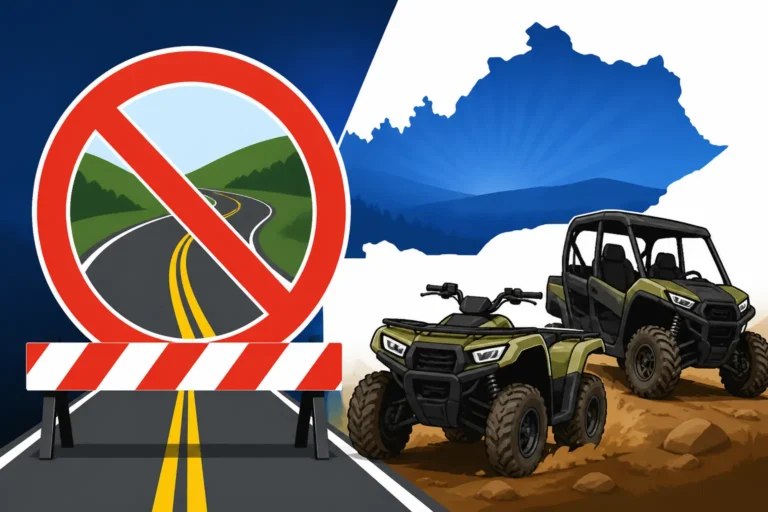
It's crucial to remember that Kentucky's basic regulations governing ATV and UTV use don't magically hibernate in winter. The same prohibitions against riding on public roads and highways for general travel still apply, regardless of whether there's a dusting of snow or a foot of ice. This can be a huge source of frustration for riders who see an empty, snow-covered road and think it looks like a perfect, temporary trail. However, law enforcement will still view it as a public thoroughfare, and you'll still be subject to the same penalties for illegal use.
The biggest difference, of course, is the profound impact of weather. Icy patches can lurk invisibly beneath a light snowfall, turning a familiar path into a treacherous slide. Deep snow can conceal hidden obstacles like rocks, logs, or even washouts, making a smooth ride suddenly very jarring and dangerous. And let's not forget the dramatically reduced daylight hours, which place a much tighter constraint on rules that specify "daylight only" operation for certain allowed activities. What might be a few hours of grace in summer becomes a fleeting window in winter, making timing your rides essential to stay within the law and, more importantly, stay safe.
Specific Park Closures and Seasonal Restrictions
While Kentucky state law itself doesn't typically distinguish between summer and winter for ATV and UTV operation, many of the dedicated off-road parks and trail systems in the state absolutely do. These parks often have their own internal rules regarding seasonal operations, and winter weather can be a major factor in closures or changes to their schedules. It’s not uncommon for parks to close certain trails, or even entire areas, due to deep snow, ice, or excessive mud from melting snow, which can cause significant environmental damage if ridden through.
For example, places like Turkey Bay OHV Area in Western Kentucky, while generally open for much of the year, will often implement temporary closures due to saturated ground conditions, which are more prevalent in winter and early spring. Similarly, other parks might shift to weekend-only hours or close altogether for extended periods. It’s a real bummer when you’ve loaded up the machine, driven for hours, and then find the gate shut. Always, always check the park's official website or social media channels before you even think about loading up your machine. They'll usually post updates on [Kentucky Trail Seasons and Closures] and specific operating hours, such as [Turkey Bay's Season and Gatehouse Hours Explained]. For parks like White Sulphur, for instance, you'll want to be aware of details like [Why White Sulphur Shuts December First] to avoid a wasted trip.
Road Use and the Winter Grind in Kentucky
The allure of an empty, snow-covered road can be incredibly tempting when you’re itching to ride, or simply need to get from point A to point B on your ATV or UTV. However, this is where many riders inadvertently run into trouble. Kentucky's road use laws for ATVs and UTVs are quite strict, and they don't magically relax just because there's a blanket of white on the ground. Understanding these nuances is critical to avoiding fines and keeping yourself and others safe.
When a Snow-Covered Road Isn't an Open Road
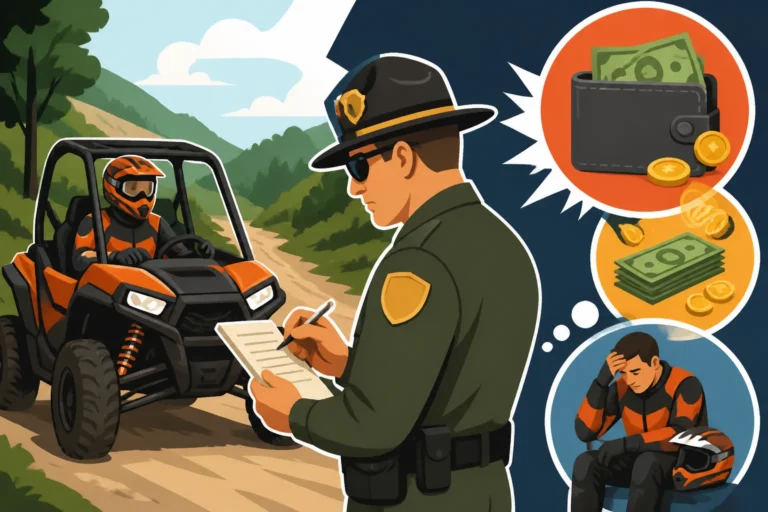
One of the most common misunderstandings is that a snow-covered or icy public road somehow transforms into a permissible riding area for ATVs and UTVs. This simply isn't the case in Kentucky. A public road, regardless of the amount of snow or ice on it, remains a public road in the eyes of the law. The general prohibition on operating ATVs and UTVs on public roadways still holds true. If you're caught using your machine for general travel on a snow-covered street or highway, you're likely to face a citation for [Kentucky Fines for Illegal ATV Road Use].
There are, of course, very specific and limited exceptions. For example, Kentucky law allows for very short crossings of a two-lane highway at a ninety-degree angle, or specific use for agricultural purposes. When it comes to practical winter tasks, you can generally use your ATV or UTV to plow your own private driveway or clear snow on your own property. However, extending that to clearing snow from public roads, even if you’re trying to be a good neighbor, often falls outside the legal exceptions. The law provides for [Snow Removal Under Kentucky Law] in very specific contexts, often limited to governmental entities or contractors working on their behalf. For farmers, the existing [Kentucky's Farm Exception With No Mileage Cap] allows you to transport things like [Hauling Feed Down a Holler Road] across or along certain public roads for bona fide agricultural purposes, but this is a very narrow exception, not a blanket permission for general winter travel.
Visibility, Lighting, and Daylight Requirements
Winter in Kentucky means shorter days, often compounded by reduced visibility due to fog, falling snow, or even heavy cloud cover. This directly impacts existing ATV and UTV regulations concerning lighting and the "daylight only" rule. For any legally permissible road crossing or farm operation that touches public pavement, you must adhere to the lighting requirements. This means your machine should have [One Headlight and Two Taillights in Kentucky] that are fully operational. In winter, ensuring these are clean and shining bright is even more critical.
The "daylight only" statute, which often applies to those limited road crossings or agricultural uses, becomes much more restrictive in the darker months. What might be a leisurely evening ride in summer could easily push you past the legal definition of daylight in winter. [Daylight Only Under the Statute] is a hard line, and with sunsets as early as 5 PM in late December, your window for legal operation on any public thoroughfare shrinks considerably. Poor visibility, whether from snow, fog, or simply encroaching darkness, not only increases your risk of an accident but also makes you far more visible to law enforcement, who are keenly aware of the inherent dangers of ATVs and UTVs on public roads in challenging conditions.
Safety, Gear, and Preparedness for Winter Riding
Riding an ATV or UTV in Kentucky during the winter months is an entirely different beast than a fair-weather cruise. The cold, the ice, the snow—it all conspires to make even familiar terrain more challenging and potentially hazardous. While the focus of this guide is on the rules, we can't talk about winter riding without a serious chat about safety, proper gear, and preparing both yourself and your machine for the unique demands of the season. Ignoring these aspects isn't just uncomfortable; it can be downright dangerous and leave you stranded in a place where help is hard to find.
Essential Cold-Weather Gear and Machine Prep
First things first: layer up! Hypothermia is a real threat, and staying warm and dry is your first line of defense. Think moisture-wicking base layers, insulating mid-layers like fleece, and a waterproof, windproof outer shell. Your extremities are particularly vulnerable, so invest in high-quality, insulated, waterproof boots, thick gloves (maybe even heated ones!), and a warm hat to wear under your helmet. Speaking of helmets, you still need one, especially if you’re near any public property or crossing roads. Adhering to [Kentucky Helmet Rules for ATV Riders] isn't just about law; it's about protecting yourself from impacts and the biting cold. Don't forget goggles or a face shield that won't fog up, as visibility is paramount.
Preparing your machine is just as crucial. Check your fluids, especially antifreeze levels, to ensure they're rated for extreme cold. Your battery works harder in the cold, so make sure it's fully charged and in good health. Tire pressure might need slight adjustments for better traction in snow and ice, but always consult your machine's manual and don't go too low. Consider fitting a winch if you don't have one; getting stuck in the snow far from home is no joke. For those really tackling the elements, companies like SuperATV offer a range of heavy-duty winches, plows, and even full cab enclosures to help you conquer the winter months in comfort and safety. Carrying a small toolkit, a first-aid kit, a fully charged cell phone (with a portable charger), and even a small shovel can be a lifesaver.
Navigating Icy Patches and Snow-Covered Terrain Safely
When riding in winter, the golden rule is to slow down. Way down. Traction is drastically reduced on snow and ice, meaning your braking distances increase dramatically, and your steering can become unpredictable. Practice smooth throttle inputs and gentle steering adjustments; sudden movements are a recipe for losing control. Be hyper-aware of your surroundings. [Ice on a Shaded Mountain Trail] or even clear stretches of pavement can harbor "black ice," which is nearly invisible but incredibly slippery. Likewise, [Snow on a Black Mountain Bench] might hide rocks, ruts, or drop-offs, so proceed with extreme caution, or better yet, stick to trails you know like the back of your hand.
Always ride with a buddy or in a group during winter. If you get stuck, injured, or your machine breaks down, having someone else there can make all the difference. Share your planned route and estimated return time with someone back home. Carrying a GPS or having a mapping app on your phone with downloaded maps is also a good idea, as familiar landmarks can look entirely different under a blanket of snow. Consider adding a specialized tire from a brand like SuperATV, designed for aggressive traction in challenging conditions, to give you an extra edge when the going gets tough.
Understanding Hypothermia and Exposure Risks
Even if you're bundled up, the risk of hypothermia and frostbite is ever-present in Kentucky winters. Getting wet, whether from a creek crossing gone wrong or simply falling snow, significantly increases your risk. Hypothermia occurs when your body loses heat faster than it can produce it, leading to a dangerously low core body temperature. Symptoms can include shivering, confusion, slurred speech, clumsiness, and drowsiness. If you or a riding partner exhibits these signs, it's an emergency.
Immediately seek shelter, remove wet clothing, and replace it with dry, warm layers. Offer warm, sugary drinks (not alcohol). The best defense is prevention: dress appropriately, avoid riding alone, and be prepared to cut your ride short if conditions worsen or if anyone starts to feel too cold. Remember, even a minor spill on [Kentucky Riding in Winter] can turn life-threatening if you're soaked and exposed to freezing temperatures. Staying aware of your body's signals and those of your riding companions is just as important as knowing the rules of the road or trail.
| Condition | Legal Implication (Kentucky Law) | Safety Recommendation |
|---|---|---|
| Snow-Covered Roads | Generally, no change in public road prohibition. Legal exceptions for farm use or brief crossings still apply but are NOT expanded by snow. | Assume all public roads are off-limits for general travel. If using for legal farm work or allowed crossing, proceed with extreme caution. Watch for hidden ice and other vehicles. Do not assume snow makes it a "trail." |
| Icy Trails | No specific state-level prohibitions based on ice, but trail parks may close for safety. | Reduce speed significantly. Avoid sudden braking or acceleration. Look for black ice, especially in shaded areas. Consider specialized tires or even studs. Ride with a buddy and carry recovery gear. |
| Reduced Daylight | "Daylight only" rules for certain road crossings and farm use become much more restrictive. | Plan rides carefully to avoid encroaching darkness. Ensure all lights (headlights, taillights) are clean and fully functional. Carry extra lighting from SuperATV if permitted on trails, and always carry a flashlight. |
| Trail Closures | Varies by park/landowner; state law does not mandate. Riding a closed trail may result in trespass charges or park fines. | Always check the specific park or landowner's website/social media for current conditions and closures. Respect all signs and barricades. Do not ride on [Kentucky Trails Closed After Rain] or snowmelt as conditions are often worse. |
| Cold Weather | No direct legal implication, but exposure can lead to incapacitation. | Dress in layers (moisture-wicking, insulating, waterproof/windproof). Wear insulated boots, gloves, and a warm helmet. Carry emergency supplies, including a first-aid kit, extra dry clothes, and high-energy snacks. Inform someone of your route and expected return time. Equip your machine with accessories from SuperATV like heated grips or a cab enclosure for added comfort and protection. |
Disclaimer
This article is for general informational purposes only and does not constitute professional advice. Laws, prices and regulations vary by location and change over time. Consult a qualified professional for guidance on your specific situation.