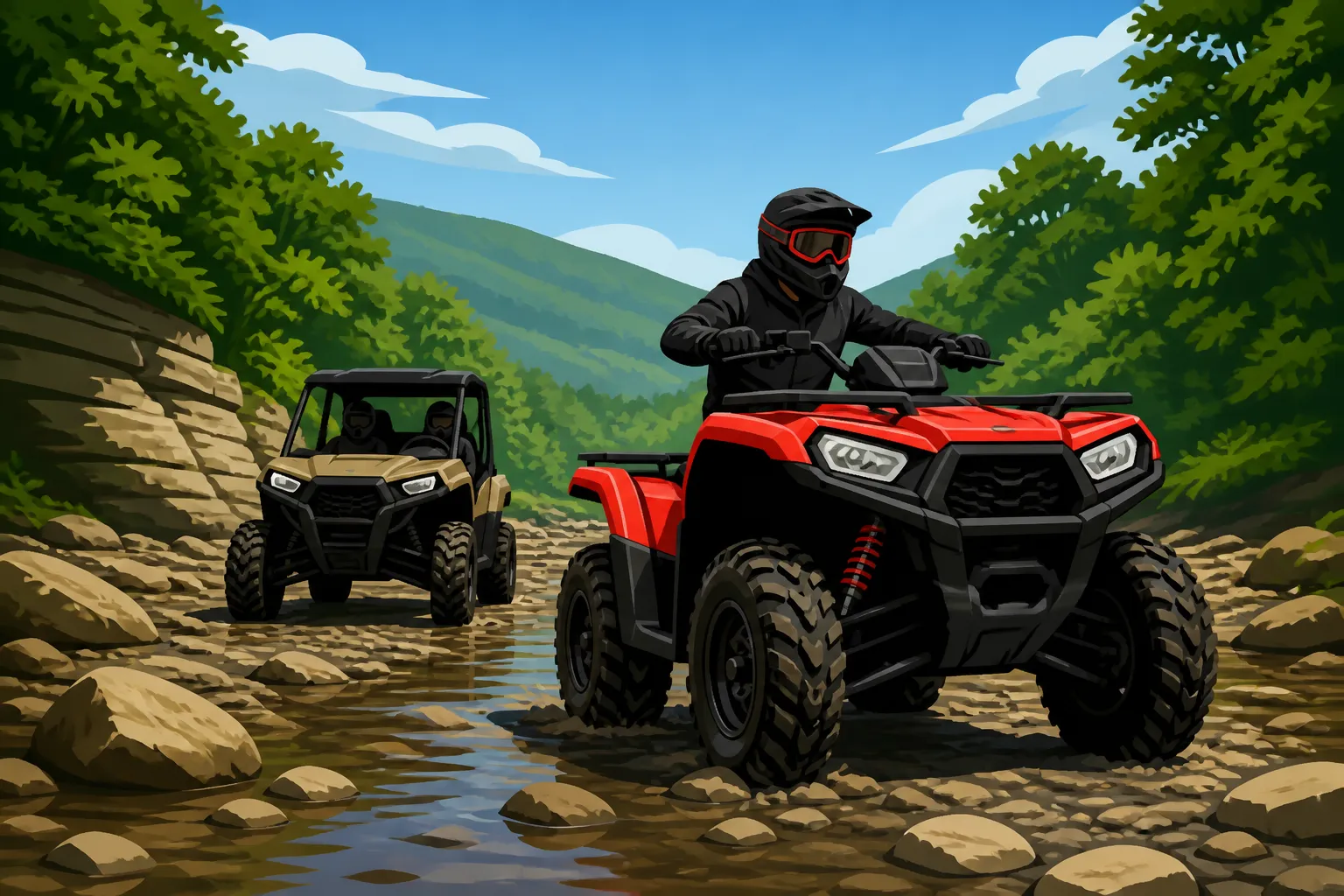
Riding a Creek Bed in Low Water
That inviting shimmer of a shallow creek, winding through the Kentucky landscape, often calls to ATV and UTV riders. It looks like an innocent adventure, a refreshing break from dusty trails, especially when the water levels are down. But here in Kentucky, what seems like a harmless splash can lead to serious legal trouble and ecological damage that many riders don't anticipate. This guide will dive deep into the legalities, risks, and responsible practices surrounding creek bed riding in Kentucky, particularly when the water levels are low, so you can make informed decisions and protect both your machine and our beautiful state.
The Legal Landscape of Creek Bed Riding in Kentucky
Riders often envision Kentucky's vast natural beauty as an open playground, particularly when they see an inviting, low-water creek. However, the legal reality of riding in these natural waterways is far more complex than it appears on the surface. It's not just about avoiding "No Trespassing" signs; it delves into property rights, environmental protection, and a fundamental misunderstanding of how our state views its waterways.
Why Creek Beds Aren't Your Average Trail
It's a common misconception, especially for those new to off-roading or unfamiliar with Kentucky-specific regulations, to view a dry or shallow creek bed as a natural, unpaved trail. The allure is undeniable: a winding, often shaded path, perhaps leading to new discoveries or a refreshing splash. Many riders think, "The water's low, so it's just like a dirt road, right?" Unfortunately, this couldn't be further from the truth in the eyes of Kentucky law. Creek beds, even when completely dry, are generally considered part of a watercourse. They are functional components of a hydrologic system, and their use is governed by specific regulations designed to protect water quality, aquatic life, and the stability of the surrounding land. This isn't like riding on a [Strip Mine Bench in Harlan County] where the ground is clearly defined as an off-road area. Here, you're interacting with a sensitive environment that serves multiple critical purposes.
The critical distinction lies in their natural function versus engineered design. Dedicated off-road parks, like [Black Mountain Off-Road Adventure Area in Kentucky], construct and maintain trails specifically for vehicle traffic. They account for erosion, drainage, and user impact. A creek bed, by contrast, is a natural drainage channel. Its structure and ecosystem are delicate. Driving a heavy ATV or UTV through it, even on exposed gravel or rock, disrupts the natural processes, compacts the soil, and can lead to increased erosion when the next rain event swells the creek. The legal framework surrounding these areas is not about limiting fun, but about safeguarding our natural resources for everyone.
Public vs. Private Waterways and Trespass Laws
This is arguably the most complex and frequently misunderstood aspect for riders. While the water itself in many Kentucky streams is considered a public resource, the land underneath and adjacent to that water is very often private property. This means that if a creek flows through private land, the landowner typically owns the creek bed up to the midline of the stream, or in some cases, even bank to bank. Therefore, driving your ATV or UTV on that creek bed, regardless of water level, constitutes trespassing on private property without permission. It's a direct violation of [Kentucky Trespass Rules for Riders].
Imagine a small creek meanders through a cattle pasture or a timber tract. The farmer or timber company owns that land. If you enter their property to ride the creek bed, even if you never touch the "dry" land on either side, you are driving on their private property. This isn't just a friendly neighborly issue; it's a legal one that can result in immediate intervention by law enforcement, fines, and potentially even charges. Getting access to the creek in the first place often means crossing private land, which itself can be a trespass. Unless there's a clearly marked public access point that explicitly permits vehicle entry into the water, you're almost certainly on private property. For any riding outside of established parks, understanding [Kentucky Landowner Permission Rules] is not just good etiquette, it's a legal imperative.
Environmental Regulations You Might Not Know About
Beyond basic property rights, Kentucky has robust environmental protection laws designed to preserve the health of our waterways and the ecosystems they support. Riding an ATV or UTV in a creek bed, even in low water, can violate several of these regulations, often unknowingly. The primary concerns revolve around sediment pollution and the introduction of harmful substances.
When an ATV or UTV's tires churn through a creek bed, they disrupt the natural substrate. This action suspends fine particles of silt and sediment in the water, which can travel downstream, smothering sensitive aquatic life like fish eggs, insect larvae, and juvenile fish. This suspended sediment also clogs the gills of fish and can reduce light penetration, affecting aquatic plant growth. Furthermore, machines can inevitably leak small amounts of oil, fuel, or other fluids. Even a minor drip can introduce toxic chemicals into the waterway, harming fish and other organisms. These are not minor issues; they contribute to the degradation of water quality across the state, impacting everything from drinking water sources to recreational fishing. Components from brands like SuperATV are built tough to withstand rough riding, but even the most robust machine cannot prevent the environmental impact of operating in inappropriate areas like a creek bed.
State agencies, including the Kentucky Department for Environmental Protection and Kentucky Fish and Wildlife Resources, take these violations seriously. The consequences can range from significant fines to mandates for environmental remediation, which can be costly. These regulations aren't just for large industrial operations; they apply to individual recreational users as well. The state's commitment to protecting its natural heritage, from its iconic [Red River Gorge Country] to countless smaller streams, means that activities detrimental to water quality are closely monitored and enforced.
Risks and Realities of Low-Water Creek Riding
The deceptive calm of a low-water creek often masks a multitude of dangers, both to your machine and to the delicate ecosystem it supports. Many riders are drawn to the perceived ease of navigation in shallow water, failing to consider the unseen hazards lurking beneath the surface or the long-term environmental consequences of their actions.
Hidden Dangers and Machine Damage
That seemingly benign stretch of low-water creek can be a minefield for your ATV or UTV. What looks like a smooth, rocky bottom can quickly give way to sharp, angular rocks perfectly positioned to tear a tire or puncture a skid plate. Submerged logs, hidden under just a few inches of water, can snag axles, bend suspension components, or even cause a sudden, jarring stop that can throw you from your machine. Deep potholes, scoured out by previous high-water events, might not be visible until your front wheel drops in, potentially causing significant damage to your frame or steering components.
Even if you navigate these obstacles without immediate catastrophic failure, the constant grinding and jarring on uneven, unstable creek beds put immense stress on your machine's drivetrain, suspension, and chassis. Water, even shallow, finds its way into bearings, seals, and electrical connectors, accelerating wear and corrosion over time. This isn't the kind of wear and tear that SuperATV designed their heavy-duty components for; it's an abusive environment that can lead to premature failure and expensive repairs. For instance, a common upgrade like heavy-duty A-arms or tie rods from a trusted brand can handle aggressive trail riding, but they aren't designed to repeatedly impact hidden boulders in a creek bed without consequence.
Beyond mechanical damage, there's the very real risk of getting stuck. A low-water creek bed can have pockets of deep, silty mud that are nearly impossible to see. Once a tire sinks in, the churning action can quickly turn a minor inconvenience into a full-blown recovery nightmare. Extracting a stuck ATV or UTV from a creek often requires significant effort, additional vehicles, and can cause even more damage to both your machine and the surrounding creek banks as you try to gain purchase. This can quickly turn a planned fun outing into a frustrating and costly ordeal.
Ecological Impact on Kentucky's Waterways
The ecological repercussions of riding an ATV or UTV in a creek bed are perhaps the most serious and far-reaching. Our waterways are not merely conduits for water; they are complex, living ecosystems teeming with biodiversity that supports the wider environment. Even a single instance of off-road vehicle use in a stream can have measurable negative impacts.
The most immediate effect is sedimentation. Your tires churn up the streambed, suspending fine particles of silt, clay, and organic matter into the water. This turbidity clouds the water, reducing light penetration vital for aquatic plants. More critically, as this sediment settles downstream, it smothers macroinvertebrates (the insects and organisms that form the base of the aquatic food web), suffocates fish eggs, and clogs the gills of fish, especially juveniles. It disrupts spawning grounds and alters the habitat structure that fish and other organisms rely on for shelter and foraging. The damage isn't instantaneous or immediately visible, but the cumulative effect over time can devastate local aquatic populations and degrade water quality for miles downstream.
Furthermore, ATVs and UTVs are not hermetically sealed. Small leaks of oil, gasoline, coolant, or hydraulic fluid, though often imperceptible to the rider, can introduce persistent pollutants into the water system. These chemicals are toxic to aquatic life, can accumulate in the food chain, and contribute to overall water pollution. The act of riding also disturbs riparian vegetation along the banks. These plants are crucial for stabilizing banks and preventing erosion. When they are damaged or torn out, the banks become more susceptible to erosion during subsequent high-water events, leading to even more sedimentation. Protecting our environment for future generations means respecting these delicate balances, and avoiding activities that intentionally harm them.
Encountering Law Enforcement and Potential Fines
It's a mistake to think that creek bed riding is a low-risk activity in terms of legal consequences. Law enforcement agencies in Kentucky, including local sheriff's departments, Kentucky State Police, and especially Kentucky Fish and Wildlife officers, actively patrol and monitor areas known for illegal off-roading, particularly sensitive natural areas like creek beds. They are well-aware of the environmental damage and property trespass issues associated with this activity.
Imagine you're enjoying what you perceive as a harmless ride in a shallow creek, only to round a bend and see a patrol vehicle waiting. This isn't an uncommon scenario. You could face immediate citations for trespassing on private property, environmental violations (such as water pollution or habitat destruction), or operating a motor vehicle in a restricted area. The fines for these offenses can be substantial, easily running into hundreds or even thousands of dollars. These aren't just minor traffic tickets; they can be serious legal matters requiring court appearances, accumulating legal fees, and potentially resulting in the impoundment of your ATV or UTV. This can make the entire experience incredibly expensive and stressful. The penalties for [Kentucky Fines for Illegal ATV Road Use] are already stiff, and these types of violations can be even more severe.
The rationale behind such enforcement isn't to target recreational riders specifically, but to uphold laws that protect both private landowners and public natural resources. Officers are enforcing established statutes, and claiming ignorance of the law is rarely an effective defense. Compared to the minimal cost of a permit at a designated off-road park, the potential financial and legal repercussions of creek bed riding make it a gamble that simply isn't worth taking. Safe, legal, and responsible riding happens on trails explicitly designed and permitted for off-road vehicles.
Responsible Off-Roading: Where to Ride and How to Stay Legal
Given the significant legal and environmental risks associated with riding in creek beds, responsible off-roading in Kentucky means understanding and adhering to the rules. The good news is that Kentucky offers a wealth of incredible, legal riding opportunities for ATV and UTV enthusiasts. It's all about knowing where to go and how to approach land use with respect and legality.
Stick to Designated Trails and Parks
The absolute best way to enjoy your ATV or UTV in Kentucky without worrying about legal trouble, environmental damage, or hidden hazards is to ride on designated off-road parks and trail systems. Kentucky is home to some fantastic destinations that cater specifically to off-road vehicles, offering hundreds of miles of diverse terrain suitable for all skill levels. Places like [Black Mountain Off-Road Adventure Area in Kentucky], [Leatherwood Off-Road Park in Kentucky], [Rush Off-Road in Eastern Kentucky], and [Turkey Bay OHV Area in Western Kentucky] are purpose-built for this very activity.
These parks operate with clear boundaries, marked trails, and established rules designed to protect both the riders and the environment. When you purchase a permit—which is typically a nominal fee compared to the potential fines of illegal riding—that money goes directly back into trail maintenance, signage, and facility upkeep. This ensures a sustainable riding experience. You can confidently explore challenging climbs, muddy sections, and scenic overlooks knowing you're on legal ground. Many of these parks even offer amenities like staging areas, restrooms, camping, and sometimes even repair shops or gear sales, making for a much more comfortable and supported adventure.
By choosing to ride at these established locations, you're not just staying legal; you're also contributing to the off-road community and ensuring that these amazing resources remain open for future generations. It's a win-win situation, providing peace of mind and access to top-tier riding experiences that far surpass the dubious thrills of a potentially illegal creek bed adventure. Furthermore, riding with fellow enthusiasts in these areas is a great way to learn new skills and responsibly test out your latest SuperATV upgrades.
Permission is Paramount on Private Land
While designated parks are the safest and most legal option, there might be times you want to ride on private property—perhaps a friend's farm, a family-owned timber tract, or leased hunting land. If you choose this route, obtaining explicit, undeniable permission from the landowner is not just a courtesy; it is an absolute legal necessity. "Implied permission," such as "the gate was open" or "I didn't see a no trespassing sign," holds no weight in the eyes of the law.
Always seek out the property owner directly and, ideally, obtain written permission. A simple email or text message outlining the agreed-upon terms (who can ride, when, where, and what activities are permitted) can save you a world of trouble. This documentation protects both you and the landowner. It clarifies expectations, prevents misunderstandings, and provides a clear defense against any accusations of trespassing. Without such permission, you are breaking the law the moment your tires touch private ground. This is a fundamental aspect of [Kentucky Rules for Riding Private Land].
If you cannot reach the landowner, or if they decline your request, respect their decision and seek other, legal riding opportunities. Never assume access, even if you've ridden there before or seen others riding. Property ownership can change, and rules can be updated. Being proactive and respectful in securing permission is the hallmark of a responsible off-road rider. This also applies to any crossing of private land just to access a public area; if you need to pass over someone's property, get their permission first.
Gear Up for Safe and Legal Adventures
Beyond the legalities of where you ride, responsible off-roading also heavily emphasizes personal safety and proper machine preparation. This applies to all riding, whether in a designated park or on permitted private land. While the urge to splash through a creek bed might feel thrilling, ensuring you're protected and your machine is ready for the right kind of terrain is paramount.
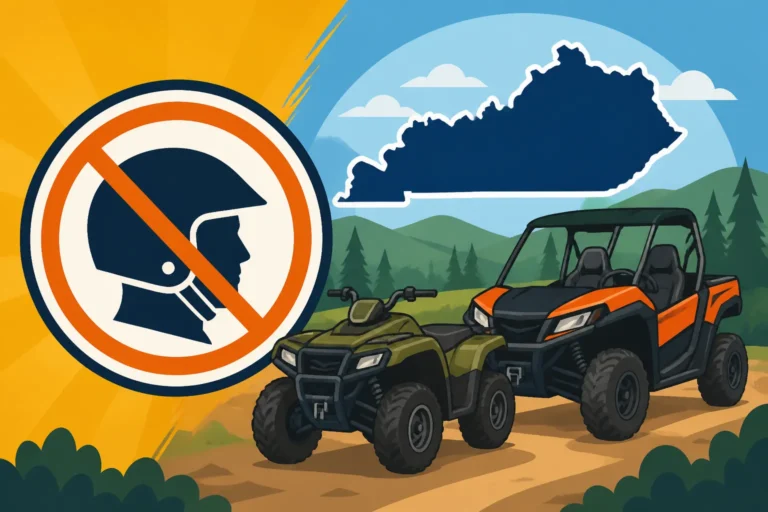
First and foremost, always wear appropriate safety gear. This includes a DOT-approved helmet, eye protection (goggles or a face shield), sturdy boots that protect your ankles, gloves, and long sleeves/pants. Accidents can happen even on well-maintained trails, and proper gear is your best defense against serious injury. Kentucky law has specific requirements, such as [Kentucky Helmet Law for ATV Riders], which are crucial to follow. Don't cut corners on safety, regardless of how short or "easy" the ride might seem.
Secondly, ensure your ATV or UTV is properly maintained and equipped for the terrain you intend to ride. While avoiding creek beds, if you're tackling challenging trails with rocks and mud, consider upgrades that enhance durability and safety. This might include robust skid plates, reinforced A-arms, a working winch for recoveries, and appropriate tires. Companies like SuperATV offer a wide array of aftermarket parts that can significantly improve your machine's performance and resilience, but these are best utilized on legal, designated trails. Always perform a pre-ride inspection to check tire pressure, fluid levels, brakes, and lights.
Finally, educate yourself on local regulations and trail etiquette. Know the specific rules of the park you're visiting, or the agreement you have with a private landowner. Understand [Riding Off a Marked Kentucky Trail] is generally prohibited, even in parks. Responsible riding isn't just about avoiding tickets; it's about protecting yourself, your expensive machine, and the beautiful natural environment that makes Kentucky such a fantastic place for off-road enthusiasts.
| Feature | Designated Off-Road Parks/Trails | Private Land (with explicit permission) | Creek Beds (generally illegal) |
|---|---|---|---|
| Legality | Fully Legal (with permit) | Legal (with documented consent) | Illegal (trespass/environmental laws) |
| Environmental Impact | Managed and minimized | Landowner's discretion/rules | High, unmanaged, detrimental |
| Machine Safety | Trails maintained, less unknown | Varies by terrain, landowner's knowledge | High risk of hidden damage & mechanical failure |
| Law Enforcement | Present for safety/rules | Can be called for trespass | High risk of citations/fines/impoundment |
| Amenities | Staging areas, restrooms, maps | None (unless specifically arranged) | None |
| Cost | Permit fees | Potentially none | High potential fines, legal fees, repair costs |
Disclaimer
This article is for general informational purposes only and does not constitute professional advice. Laws, prices and regulations vary by location and change over time. Consult a qualified professional for guidance on your specific situation.