Blaze Orange on a Kentucky November Ride
November in Kentucky brings crisp air, vibrant fall colors, and for many, the call of the wild. Whether you're hitting the trails on your ATV or using your UTV for farm work, this season also means sharing the woods and backroads with hunters. The thought of being out on your machine while others are focused on game can feel a little nerve-wracking, and rightly so. This guide is here to help you understand the crucial role of visibility, particularly blaze orange, when you're out riding in Kentucky, ensuring your safety and peace of mind during hunting season.
Understanding Kentucky's General Rules for ATVs on Roads
Before we dive into the specifics of staying visible, it’s absolutely vital to grasp Kentucky's stance on ATVs and UTVs on public roads. This isn't just about avoiding a ticket; it's fundamental to understanding where and when visibility precautions like blaze orange become even more critical. There's a lot of confusion out there, and navigating these rules can feel like trying to find your way through a thick fog on a mountain road.
The Default Prohibition and Exceptions
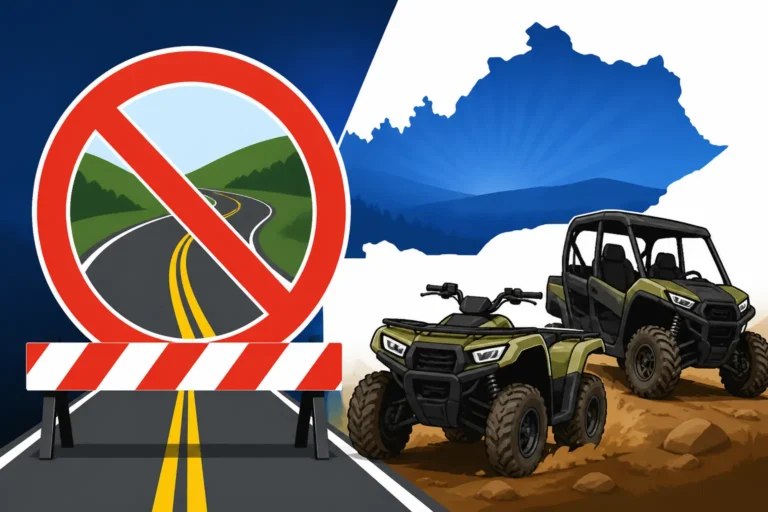
Let's be clear upfront: Kentucky law generally says "no" to ATVs and UTVs on public roads. You can’t just hop on your quad and drive it down a county highway to your buddy's house. This is a common point of frustration for riders who live in rural areas and just want to get from one section of their property to another, or access a nearby trail. The default position is that these machines are simply not designed for, nor allowed on, paved or graveled public roadways. [Why Kentucky Roads Are Closed by Default]
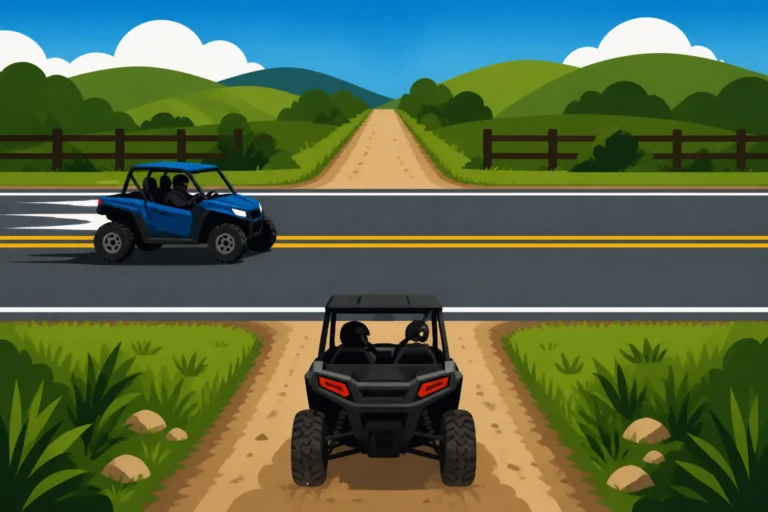
However, as with many laws, there are exceptions, but they are very specific and limited. You can usually cross a public road, but it has to be at a ninety-degree angle, to get from one parcel of private land to another, and you're generally limited to a very short distance, often cited as [0.2 Mile and Not a Yard More]. This isn't an invitation to cruise for a quarter-mile; it's literally just enough to get across. Farmers, bless their hearts, have a bit more leeway. Machines used for bona fide agricultural purposes can travel on public roads for limited distances, typically for farm tasks, without the same strict mileage cap. Think hauling feed down a holler road or checking fence lines that abut a public easement. There are also specific, temporary allowances for construction, utility maintenance, or even snow removal, where an ATV or UTV might be necessary for the task at hand. But these are exceptions to the rule, not a blanket allowance. They don't magically make your ATV "street legal." [Kentucky Rules for ATVs on Public Roads]
"Special Purpose Vehicles" SPVs and Road Use
Now, here's where it gets a little more nuanced, especially for UTV owners. Kentucky law recognizes a category called "Special Purpose Vehicles" or SPVs. These are primarily side-by-sides, and they can be made street legal, but only under very specific conditions and only in cities or counties that have opted into the program. This isn't a statewide free-for-all. Imagine thinking you're all clear to ride in one county, only to cross into the next and find yourself in violation. It's a patchwork of regulations. [Kentucky's 2025 Special Purpose Vehicle Law]
For a UTV to qualify as an SPV, it has to undergo a rigorous inspection to ensure it meets certain equipment standards, like having proper headlights, taillights, brake lights, turn signals, and mirrors, among other things. [Kentucky SPV Equipment List] It also requires specific registration and, often, a hefty insurance policy similar to what you'd carry for a motorcycle. Even then, the roads you can ride are usually capped at a lower speed limit, typically 45 mph, and you’re often limited to daylight hours. [Daylight Only Under the Statute] So, while it's a step toward broader road access for UTVs, it's not without its own set of hoops to jump through and requires diligent checking of local ordinances. Knowing these distinctions is key because your responsibilities for visibility change dramatically if you're operating under SPV rules versus merely making a quick road crossing. [Kentucky Street Legal UTV Requirements]
Why Blaze Orange Matters Beyond Just Hunting
When the leaves start to turn and then drop, exposing more of the dense woods, and the calendar flips to November, conversations about "blaze orange" tend to pop up everywhere. Most folks immediately think of hunters wearing it to protect themselves from other hunters, which is absolutely true and critical. But for us ATV and UTV riders, blaze orange isn't just about hunting season; it's about sheer, undeniable visibility, and that's a safety factor that extends far beyond the hunting blind.
The Critical Role of Visibility on Shared Paths
Think about it: during hunting season, even if you're not out bagging a deer, you're sharing the landscape with people who are. That means navigating trails, logging roads, and even brief stretches of public pavement where hunters might be present, or where other vehicles might be less attentive to an ATV's presence. Picture yourself riding a familiar holler road at dusk, the shadows long and deep, on your way back to camp. You might be perfectly legal for your farm use, but if a pickup truck rounds a blind curve, their eyes might be scanning the treeline for game, not looking for a machine that blends into the natural browns and greens of autumn. [Riding Home After a Kentucky Sunset] That's a recipe for a heart-stopping moment, or worse.
Wearing blaze orange, or other highly visible colors, drastically cuts down on the chances of being overlooked. It creates a stark contrast against the natural environment, screaming "I AM HERE!" to anyone who might be in the vicinity. This isn't just about avoiding a mistaken shot; it's about making sure other trail users, fellow outdoor enthusiasts, and even motorists on those brief road crossings, register your presence immediately. Especially if you're riding through areas adjacent to known hunting grounds, or using old logging roads that might double as access points for hunters, your visibility becomes a critical component of your personal safety gear, just as important as your helmet and gloves.
Kentucky's Specific Recommendations (or Lack Thereof) for ATV Riders
Here’s the thing: Kentucky law is very specific about blaze orange requirements for hunters. Depending on the specific hunting season and weapon being used, hunters are often legally required to wear a certain amount of hunter orange. This typically involves a vest or a hat, or both, ensuring they're highly visible to other hunters. The specifics can vary, so hunters always need to check current regulations.
However, for ATV and UTV riders who are not hunting, there isn't a direct, explicit statute in Kentucky that mandates you wear blaze orange. This can lead to a false sense of security. Just because it's not legally required doesn't mean it's not a critically important safety best practice. Our position, as experienced riders and outdoor enthusiasts, is to strongly, strongly recommend it, especially from October through January, when hunting activity is at its peak. Many private trail parks or land management agencies might also have their own recommendations or even requirements for high-visibility clothing during certain seasons, so always check with the specific riding area before you go. Beyond just clothing, consider other visibility enhancements for your machine itself. Brands like SuperATV, for instance, offer a variety of aftermarket accessories that can increase your machine's visibility, from bright LED light bars to whip lights with flags, which can be invaluable when navigating dense woods or open fields.
| Aspect | Kentucky Hunter Requirements (General) | Kentucky ATV Rider Best Practices (During Hunting Season) |
|---|---|---|
| Legal Mandate | Yes, specific rules for different hunting types/seasons (e.g., rifle deer season). | No direct statutory mandate specifically for non-hunting ATV riders. |
| Purpose | To be seen by other hunters and prevent accidents. | To be seen by hunters, other trail users, and motorists, for general safety. |
| Required Items | Vests, hats (specific square inches of material depending on season/type). | Strongly recommended: Vest, hat; potentially full jacket in blaze orange or other hi-vis. |
| Machine Visibility | Not typically required for hunting equipment itself. | Highly recommended: High-visibility flags, bright LED lights, reflective decals. |
| Applicable Areas | Public and private hunting lands during hunting seasons. | Any area where an ATV/UTV might encounter hunters, other users, or motorists (trails, roads, private land). |
| Consequence of Non-Compliance | Fines, citations, loss of hunting privileges (for hunters). | Increased risk of accident, potential citations for other road violations if not seen (for riders). |
Practical Advice for Riding During Hunting Season in Kentucky
Knowing the rules and understanding the "why" behind blaze orange is one thing, but putting it into practice is where the rubber meets the road—or the tire meets the trail. Riding during hunting season, especially during that peak November rush, requires a proactive approach to safety and a healthy respect for everyone else enjoying Kentucky’s wild spaces. It's about being a good steward of the trails and prioritizing your well-being.
Gear Up for Maximum Visibility
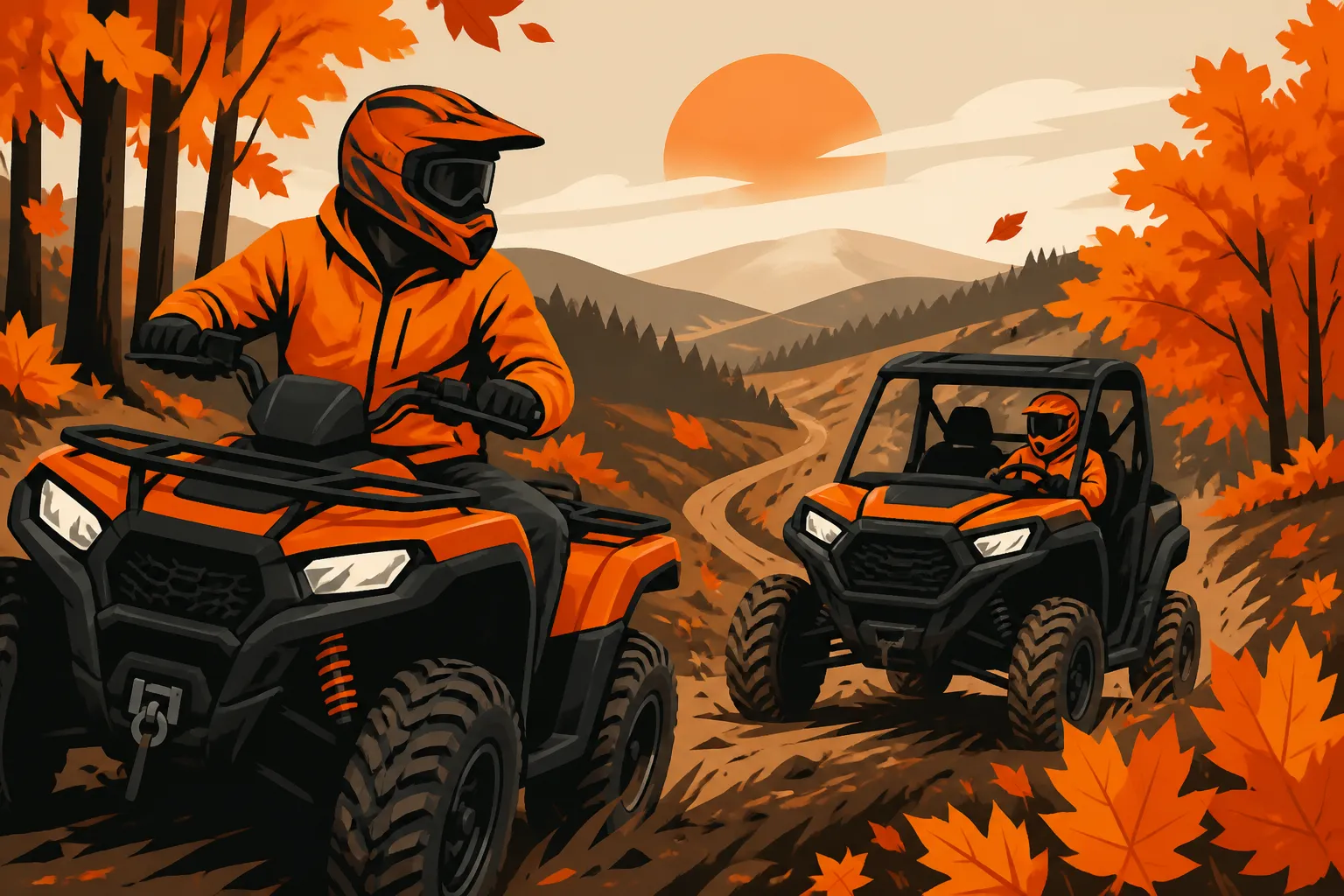
First and foremost, make yourself and your machine impossible to miss. When we talk about blaze orange, we're not just talking about a small patch. Think big. A full blaze orange vest that covers your torso is a fantastic start. Pair that with a blaze orange hat – not just a baseball cap, but something substantial. Many riders even opt for full blaze orange jackets, especially as the temperatures drop. Remember, the more you wear, the more visible you become. Don't rely solely on blaze orange, though. Fluorescent green or yellow can also be incredibly effective, especially in varied lighting conditions, and can be used to supplement your orange gear.
Beyond what you wear, think about your machine. Adding a high-visibility flag to your ATV or UTV is a smart move, especially in hilly terrain where you might pop over a rise unexpectedly. These flags wave above your machine, increasing your profile and making you visible from a greater distance. Check your lights! Ensure your headlights and taillights are functioning perfectly. Even during the day, running your lights can significantly improve your visibility to others. Consider adding aftermarket LED light bars, like those from SuperATV, which not only illuminate the trail for you but also make your machine a beacon of light for anyone else in the vicinity. Reflective tape on your fenders or frame can also catch ambient light and make a difference, particularly in low-light conditions when you might be [Riding After a Kentucky Sunset].
Navigating Shared Spaces and Respecting Hunters
When you're out on the trails or using a public road, always assume there might be hunters nearby. This isn't about being paranoid; it's about being respectfully aware. Reduce your speed, especially on blind corners, crests of hills, or when entering new areas. The slower you go, the more time you have to react to unexpected situations, whether it's another rider, a deer, or a hunter walking down a logging road. Make a bit of noise to announce your presence without being obnoxious. A steady engine hum is often enough to alert wildlife and people alike that something is approaching, giving them time to react.
If you encounter hunters, whether they're walking, in a vehicle, or in a tree stand, show them the utmost courtesy. Slow down, give them a wide berth, and perhaps even offer a friendly wave. Avoid revving your engine or making sudden loud noises that could disturb their hunt or startle them. Remember, many hunters spend significant time and money on their season, and a little respect goes a long way. If you're riding on private land with permission, it’s always a good idea to check with the landowner beforehand to see if anyone else will be hunting that day. Communication is key to preventing misunderstandings and ensuring everyone has a safe and enjoyable time outdoors. [Kentucky Rules for Riding Private Land]
Timing Your Rides
The time of day you choose to ride can drastically impact your safety during hunting season. Hunters are most active during dawn and dusk—the crucial periods when game animals are on the move. These are also the times when visibility is naturally lowest, making it harder for everyone to see each other. Our advice? Avoid riding during those twilight hours if at all possible. Plan your rides to be squarely in the middle of the day, when the sun is high and visibility is at its peak. [Daylight Only Under the Statute]
Consider riding during weekdays if your schedule allows. Weekends, especially during popular hunting seasons, see a much higher concentration of people in the woods, both hunters and other recreational users. Spreading out your activity can reduce congestion and the chances of an unexpected encounter. While Kentucky offers incredible riding opportunities year-round, that November window demands extra consideration and planning around hunting activity.
Legalities, Fines, and Local Ordinances
It’s easy to get caught up in the thrill of riding, but overlooking the legal framework, even when it comes to something like visibility, can lead to unwelcome consequences. While there may not be specific "blaze orange fines" for non-hunting ATV riders, operating your machine without due care or in violation of other statutes can definitely hit your wallet and your peace of mind.
Consequences of Illegal Road Use
As we touched on earlier, Kentucky has strict rules about where ATVs and UTVs can operate. Illegally riding your ATV on a public road, even if you’re wearing the brightest blaze orange known to humankind, can still result in a citation. A sheriff's deputy isn't going to overlook an illegal maneuver just because you're highly visible. Violations can range from fines to having your machine impounded, depending on the severity and frequency of the offense. Imagine facing a significant fine or even having your ride towed away just for trying to cut a corner on a back road. [Kentucky Fines for Illegal ATV Road Use]
Beyond direct citations for illegal road use, consider the liability aspect. If you're involved in an accident with another vehicle or person while operating your ATV illegally on a road, your lack of legal standing could put you in a very difficult position regarding insurance claims and personal injury liability. While blaze orange improves safety, it doesn't grant you immunity from the law. Always make sure your ride is legal for the terrain you're on.
Checking Local Regulations and Trail Park Rules
Kentucky's legal landscape for ATVs and UTVs, especially regarding road use and safety, can be quite localized. What might be allowed in one county or city for an SPV, for example, could be strictly prohibited just across the county line. Always, always check with the local county clerk's office or the specific municipality you plan to ride in if you intend to use your UTV as a Special Purpose Vehicle on any public roads. [Kentucky Cities That Opted Into Street Riding]
Furthermore, if you're planning to ride at a designated trail park, whether it's Black Mountain, Leatherwood, or any of the others, make it a habit to check their specific rules and regulations before you go. Many parks, particularly those operating on leased land that might also see hunting activity, will have clear guidelines regarding high-visibility clothing, riding hours, and even machine requirements during certain seasons. These rules are put in place for everyone's safety, including yours. A quick call or a visit to their website can save you a lot of grief and ensure you have an enjoyable, safe day on the trails, blending seamlessly with the outdoor community and respecting all users of Kentucky’s incredible natural resources.
Disclaimer
This article is for general informational purposes only and does not constitute professional advice. Laws, prices and regulations vary by location and change over time. Consult a qualified professional for guidance on your specific situation.