Snow Removal Under Kentucky Law
Oh, the thought of snow in Kentucky! While it can be absolutely beautiful blanketing our hills and hollers, it brings with it a whole host of headaches, especially when it comes to getting around. Many of us with ATVs or UTVs eye our machines during a heavy snowfall, dreaming of using them to clear driveways or even help out a stuck neighbor, but then that nagging question creeps in: "Is this even legal?" It's a valid concern, and navigating Kentucky's laws on off-road vehicles on public roads can feel like trying to find a clear path through a blizzard. This guide is here to melt away the confusion and give you the clear, actionable information you need about using your ATV or UTV for snow removal under Kentucky law.
The Tricky Terrain of Kentucky's Road Rules for ATVs and UTVs
Let's face it, Kentucky's laws regarding ATVs and UTVs on public roads aren't always crystal clear, and it often feels like you need a law degree just to understand where you can and can't ride. Generally speaking, our beautiful backroads and state highways are off-limits for these machines, which can be a real bummer when you just need to get from point A to point B. But, as with most rules, there are exceptions, and understanding these nuances is key to staying on the right side of the law, especially when a practical need like snow removal arises.
Why Roads Are Generally Off-Limits and the Exceptions
For most situations, Kentucky's stance is pretty clear: ATVs and UTVs are designed for off-road use, not for cruising down Main Street or even your rural county road. This is largely due to safety concerns; these machines aren't built with the same safety features as cars or trucks, like crumple zones, airbags, or even enclosed cabs in many cases. So, the default rule you should always assume is that public roads are off-limits. If you're caught riding on a public road without meeting a specific exemption, you could be looking at a ticket, and nobody wants that, especially when you're just trying to enjoy your machine. This general prohibition is why you don't see ATVs and UTVs registered for road use in the same way cars are, and it leads many to ask, [Does Kentucky Register ATVs?]. The answer is typically no, for standard road use.
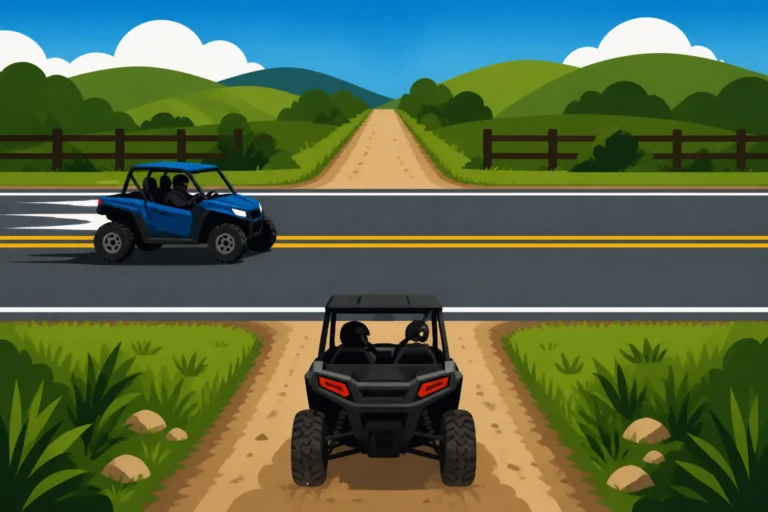
However, Kentucky law does carve out specific, limited exceptions to this general rule. These exceptions are usually tied to very specific purposes, like agricultural work, utility maintenance, or, yes, even snow removal. Each exception comes with its own set of stipulations, often concerning things like daylight hours, speed limits, and the type of road. It’s not a free pass to ride anywhere, anytime. For example, some allowances are only for crossing a road, not riding on it for an extended period, as detailed in [Kentucky Rules for Crossing a Highway]. This is why it's so important to dig into the specifics for each situation, because assuming one exception applies to another can get you into trouble.
Understanding Kentucky's ATV Definition and How It Impacts UTVs
Another layer of complexity comes from how Kentucky defines an ATV, and how that definition, or lack thereof, affects UTVs. For many years, the law primarily focused on ATVs – those machines where you straddle the seat. The legal definition often hinges on features like a straddle seat, handlebars for steering, and four low-pressure tires. This specific language can make it challenging when you're talking about a UTV, which has side-by-side seating, a steering wheel, and often more car-like controls. Many people mistakenly believe that because a UTV looks more like a small car, it might have different or more lenient road rules, but that's often not the case under the general ATV statutes. The law is evolving, but the core distinction remains.
The struggle for UTV owners is real because many regulations were written before UTVs became so popular. While UTVs are fantastic for work and recreation, they often fall under the broad umbrella of "off-road vehicles" within the statutes, meaning they're subject to the same restrictions as ATVs, even if their design and capabilities feel vastly different. This can be particularly frustrating when you have a capable UTV that would be perfect for a task like snow removal but find yourself tangled in regulations originally crafted for smaller, straddle-seat machines. The Kentucky Transportation Cabinet has a specific way of looking at these machines, which you can learn more about in [What Kentucky Counts as an ATV]. For a deeper dive into the definitional challenges, especially for those larger, more versatile machines, it's worth exploring [Kentucky's Narrow ATV Definition] and even [Why a Side-by-Side Sits Awkwardly in Kentucky Law].
The Specifics of the Snow Removal Exemption
When the snow starts piling up, that's when many of us look at our powerful ATVs and UTVs and think, "This is what they're made for!" And you're not wrong – these machines, especially with the right attachments, can be incredibly effective at clearing snow. Thankfully, Kentucky law does recognize this practical need and provides an explicit, albeit limited, exception for using your off-road vehicle for snow removal. However, it's not a blanket permission to joyride in the snow; there are important conditions and limitations you need to be aware of.
What the Law Actually Says About Snow Removal
Kentucky Revised Statute 189.515 is the key piece of legislation that addresses the use of ATVs and UTVs on public roads. While the general rule prohibits operation on public highways, this statute includes a crucial exception for "emergency work on public roadways, rights-of-way or easements, or for snow removal." This is great news, as it directly addresses the need to use your machine to keep paths clear.
However, it's vital to understand what "snow removal" entails under this statute. It's generally interpreted as the act of actively clearing snow from a surface, not simply using the presence of snow as an excuse for general road travel. If you're out with a plow or shovel attached, or actively pushing snow, you're likely within the spirit of the law. If you're just driving down the road to meet friends for coffee because there's snow on the ground, that's almost certainly not covered. The exemption is for the act of snow removal. You also need to consider the type of road. This exception is most clearly applicable to local roads, driveways, and private property, but it also extends to public roadways when you are performing this specific emergency work. Always be mindful that while you might be able to use your machine, it doesn't mean you can ignore basic road safety or assume all other laws are suspended.
Limitations and Conditions for Snow Removal Use
Even with the snow removal exception, there are still rules of the road that apply. You can't just throw caution to the wind. One major consideration is the time of day. Kentucky law generally restricts ATV/UTV road use to daylight hours, and while "emergency work" like snow removal might sometimes necessitate working outside these hours, it's a gray area to approach with extreme caution. [Daylight Only Under the Statute] is a good read for understanding this limitation. If you absolutely must operate outside of daylight hours, ensure your machine has adequate lighting – at least one headlight and two taillights are typically required for any road operation, even under exemption.
Another critical condition relates to where you're performing the snow removal. The statute refers to "public roadways, rights-of-way or easements." This includes county roads, city streets, and potentially even state routes, provided you are actively engaged in snow removal and not just transit. However, local jurisdictions can and often do have their own specific ordinances that may further restrict or clarify ATV/UTV use, even for snow removal. Always check with your local county clerk or city hall for any specific rules that might apply in your immediate area. Speed is also a factor; even while removing snow, you should operate at a safe and reasonable speed for conditions, which often means much slower than normal road speeds. Remember, the primary goal is safety and the specific task of snow removal.
Practical Considerations for Using Your Machine for Snow Removal
So, you've got the legal green light (within limits, of course) to tackle that snow with your ATV or UTV. That's fantastic! These machines are powerhouses when it comes to battling winter's white blanket. But before you fire up the engine and head out, there are some really important practical considerations to keep in mind. It's not just about having the machine; it's about having the right gear, knowing how to use it safely, and being prepared for the unique challenges of winter operation.
Equipment and Modifications for Effective Snow Removal
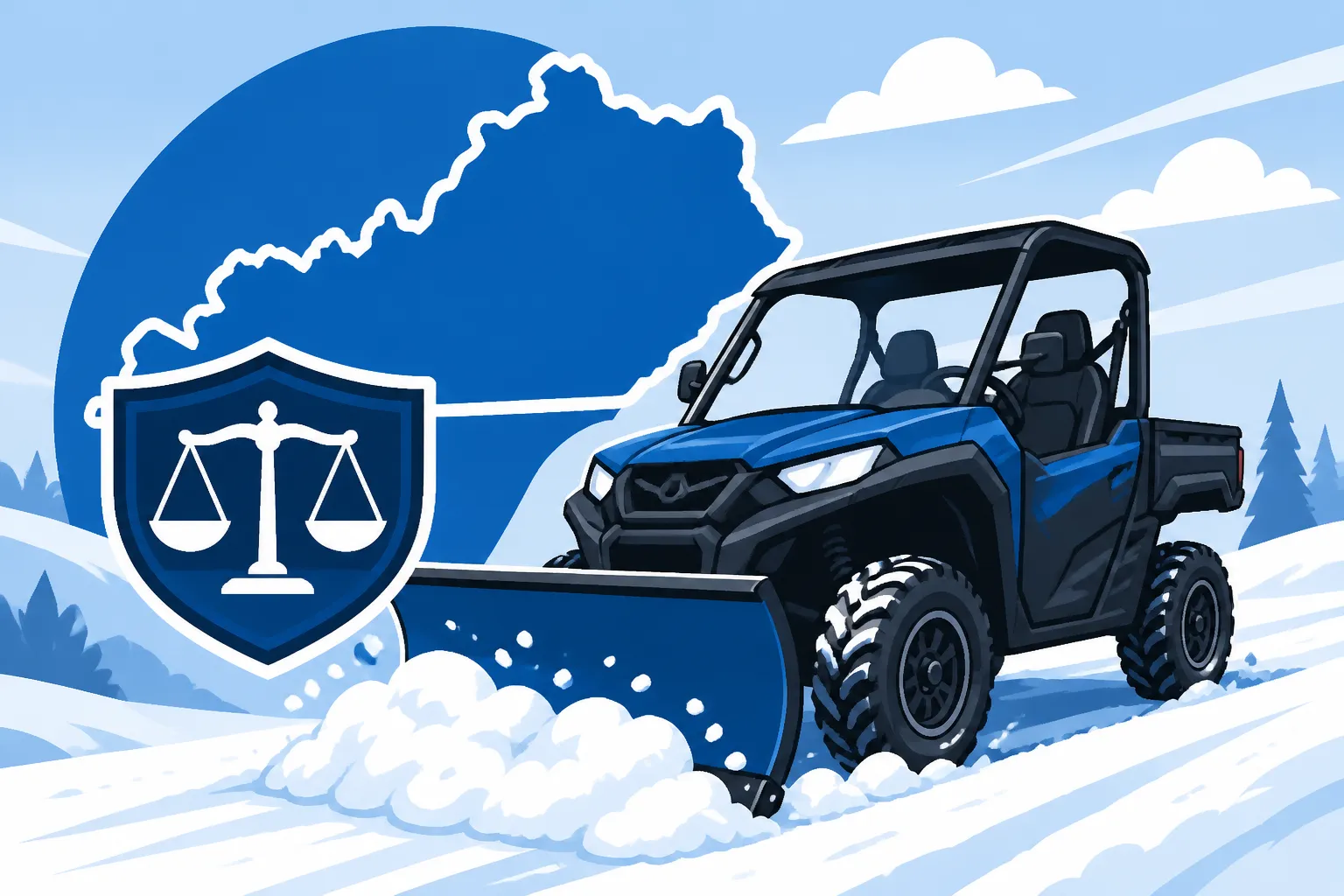
To truly make your ATV or UTV a snow-clearing champion, you'll likely need some specific equipment. A snow plow is the most obvious addition. These come in various sizes and mounting styles, often attaching to the front of your machine. When selecting a plow, consider the width of your machine, the typical snowfall in your area, and the material of the plow blade itself – steel is durable, while poly blades are lighter and can be easier on sensitive surfaces. Companies like SuperATV offer a wide range of plow systems, from straight blades to V-plows, designed for various ATV and UTV models, along with the necessary mounts and push tubes. They're known for their robust designs that stand up to tough winter conditions.
Beyond the plow, a winch can be an invaluable tool. While not directly for pushing snow, a winch can get you out of a sticky situation if you push too much snow, get high-centered, or slide into a ditch. It’s also incredibly useful for adjusting plow angles on some systems. Other helpful modifications include upgraded tires with an aggressive tread pattern for better traction in snow and ice, and potentially a heavier battery or a battery tender to ensure reliable starts in frigid temperatures. Heated grips or a cab enclosure for UTVs can also make those long hours in the cold much more tolerable.
Safety Tips for Winter Operation
Operating any off-road vehicle in winter conditions presents unique challenges. Visibility is often reduced, traction is compromised, and the cold can affect both you and your machine. Always prioritize safety. First and foremost, dress warmly in layers, and consider waterproof outer gear. A helmet is always a good idea, and while Kentucky doesn't mandate helmets for all ATV riding, it's wise to wear one, especially when operating near roads or in areas with potential hazards. Remember, you can read more on this topic in [Kentucky Helmet Law for ATV Riders].
Before you start, do a thorough pre-operation check. Ensure your lights are clean and working, tires are properly inflated (lower pressure can sometimes help with traction in deep snow, but don't go too low), and all fluid levels are good. Pay special attention to brakes, as snow and ice can significantly increase stopping distances. When actually plowing, take it slow. Don't try to clear too much snow at once, especially if it's heavy or wet. Make multiple passes if necessary. Be aware of hidden obstacles like curbs, rocks, or even children's toys that might be buried under the snow. Finally, avoid operating alone if possible, or at least let someone know where you're going and when you expect to return. Winter conditions can turn a minor mishap into a serious situation quickly.
Where You Can Legally Clear Snow and Where You Can't
Understanding that you can use your ATV or UTV for snow removal is one thing, but knowing where you can legally do it is just as crucial. Kentucky's rules, while offering an exemption, aren't a free pass to plow snow wherever you please. There's a big difference between clearing your own driveway and tackling a public thoroughfare, and mixing them up can lead to unwanted attention from law enforcement.
Private Property and Driveways: Your Snow-Clearing Domain
This is the simplest and clearest scenario: you are absolutely, unequivocally permitted to use your ATV or UTV for snow removal on your own private property, including your driveway, private access roads, and personal land. This is your domain, and the state's public road statutes generally don't apply here. Feel free to mount that plow, crank up the heat (if your UTV has it), and clear to your heart's content. Many Kentuckians with long driveways or sprawling properties find their ATVs and UTVs indispensable for this very purpose. The efficiency and maneuverability of these machines often surpass what a traditional truck with a plow can offer in tighter spaces or on uneven terrain.
When you're on private land, you also have more leeway with things like time of day (though being a good neighbor and avoiding loud operations late at night is always a good idea) and specific equipment. You can tailor your setup to your exact needs without worrying about road-legal requirements. For example, some may opt for larger, heavier-duty plows or specialized attachments from SuperATV that are perfect for massive snowdrifts but might be too wide or cumbersome for continuous public road use. This flexibility is one of the biggest advantages of owning an ATV or UTV for snow removal in Kentucky.
Public Roads and Local Ordinances: Navigating the Nuances
This is where it gets a bit more complex, but the good news is that the Kentucky statute does explicitly allow for snow removal on "public roadways, rights-of-way or easements." This means that if you're a property owner whose driveway connects directly to a public road, you can likely use your ATV or UTV to clear the end of your driveway and perhaps a short stretch of the road's shoulder to ensure safe ingress and egress. The key here is that you are performing an act of snow removal, not just driving on the road. The emphasis is on the work being done, not on general transportation.
However, you must be extremely cautious about the extent of your operations on public roads. You are generally not authorized to become a municipal snow plow service for your entire neighborhood's streets unless you are officially sanctioned to do so. The exemption is primarily for property owners clearing their access points or those specifically contracted for public snow removal. Local ordinances are also a huge factor. While state law provides the overarching exemption, cities and counties often have their own regulations regarding off-road vehicles on their streets. Before you venture onto a city street or county road for snow removal, even if you think you're covered by the state exemption, it's always wise to check with your local county clerk or city administrative office. They can clarify any specific local rules or restrictions that might apply. For instance, some cities may have stricter rules about noise or time of operation. It’s one thing to understand [Kentucky Rules for Riding a County Road] or [Kentucky Rules for Riding a City Street] in general, but the snow removal exception has its own particular interpretation.
| Aspect | General ATV/UTV Road Use | Snow Removal (Exempted) |
|---|---|---|
| Primary Purpose | Recreation/Transportation | Clearing Snow |
| Legality on Public Roads | Generally Prohibited | Generally Permitted for specific task |
| Equipment Required | Minimal/None (if allowed) | Plow, winch, proper lighting |
| Driver's License | Not always required for off-road riding, but often required for any public road operation | Often required if operating on public road |
| Insurance | Not always mandated for off-road, but essential for any road use | Essential for public road operation |
| Daylight Only | Often a strict requirement | Generally applies, but emergency work may create gray areas |
| Speed Limit | Safe, low speeds | Safe, appropriate speeds for plowing |
| Local Ordinances | Can restrict further | Can restrict or clarify further |
Potential Pitfalls and Misconceptions
Despite the clarity that Kentucky law offers regarding snow removal, there are still quite a few misconceptions and potential pitfalls that riders often encounter. It's easy to assume too much or misinterpret the spirit of the law, which can lead to unnecessary trouble. Understanding these common misunderstandings is just as important as knowing the rules themselves.
The Difference Between Snow Removal and General Road Use
One of the biggest mistakes people make is conflating the snow removal exception with a general permission to operate their ATV or UTV on public roads during winter. Let's be absolutely clear: these are not the same thing. The law specifically states "snow removal" as an emergency work exception. This means your primary activity must be the act of plowing or clearing snow. If you finish clearing your driveway and then decide to take your UTV for a spin down to the local store to pick up milk, that second activity is likely not covered by the snow removal exemption. You've transitioned from emergency work to general transportation, which typically remains prohibited.
Imagine a scenario: You've got your SuperATV plow mounted, and you've diligently cleared your long gravel driveway and the apron where it meets the county road. Your task is done. If you then proceed to ride your machine another two miles down the road just because the roads are clear, you're exposing yourself to a citation. The exemption is tied directly to the purpose of snow removal. A law enforcement officer observing you without a plow engaged, or clearly not actively clearing snow, would be well within their rights to ticket you for illegal road use. This distinction is subtle but critical.
Insurance, Licensing, and Other Requirements
Another common area of confusion revolves around other legal requirements like insurance and driver's licenses. While you might not need a specific "ATV license" to operate off-road on private property, the moment you put your wheels on a public road, even under an exemption, things change. Generally, if you're operating any motor vehicle on a public road in Kentucky, you're expected to have a valid driver's license. This applies to the snow removal exception as well. You can't simply be a licensed off-road rider; you need a proper driver's license. [Do You Need a Driver's License to Cross Pavement?] is a relevant read here, as the principle extends to snow removal.
Regarding insurance, while ATVs and UTVs aren't always mandated to carry liability insurance for purely off-road use, any time you operate on a public roadway, the standard motor vehicle insurance requirements typically kick in. This means you should have at least the minimum liability coverage. Operating a powerful machine like an ATV or UTV on snow-covered public roads, even carefully, carries inherent risks. Imagine if you accidentally damage someone's mailbox or property while plowing, or worse, are involved in a collision. Without proper insurance, you could face significant financial and legal repercussions. It's far better to be safe than sorry, so ensure your ATV or UTV policy extends to liability coverage for public road operation, especially if you plan to use it for snow removal on or near public thoroughfares. Understanding [Kentucky ATV Insurance Requirement] can help you make an informed decision.
Remember, even with the best intentions, vigilance is key. Always keep these considerations in mind to ensure your snow removal efforts are not only effective but also completely legal and safe.
Disclaimer
This article is for general informational purposes only and does not constitute professional advice. Laws, prices and regulations vary by location and change over time. Consult a qualified professional for guidance on your specific situation.