Kentucky Rules for Riding a Strip Mine Bench
Riding an ATV or UTV across the sprawling, often stark, landscape of a Kentucky strip mine bench can feel like venturing into a whole different world. These unique terrains, carved out by decades of resource extraction, offer a distinct challenge and an allure for off-road enthusiasts looking for rugged trails and expansive views. However, the excitement of conquering these challenging landscapes often comes with a significant underlying question: what are the actual rules for riding these benches, and how can you enjoy them without risking a run-in with the law or, worse, serious danger? This guide is here to shed light on the complexities of navigating Kentucky's strip mine benches safely and legally, helping you understand the unique challenges and opportunities these areas present for ATV and UTV riders.
Understanding Strip Mine Benches and Their Allure for Riders
When we talk about "strip mine benches" in Kentucky, we're not talking about your typical manicured state park trails. These are the remnants of surface mining operations, vast areas where coal, for example, was extracted by removing layers of earth and rock. The "benches" themselves are the flat, often wide, terraces left behind, sometimes miles long, frequently winding around mountainsides and connecting to steeper access roads or reclamation areas. These landscapes are typically found throughout Eastern Kentucky, in counties like Harlan, Perry, and Letcher, where coal mining has historically been a dominant industry.
What Exactly Is a "Strip Mine Bench"?
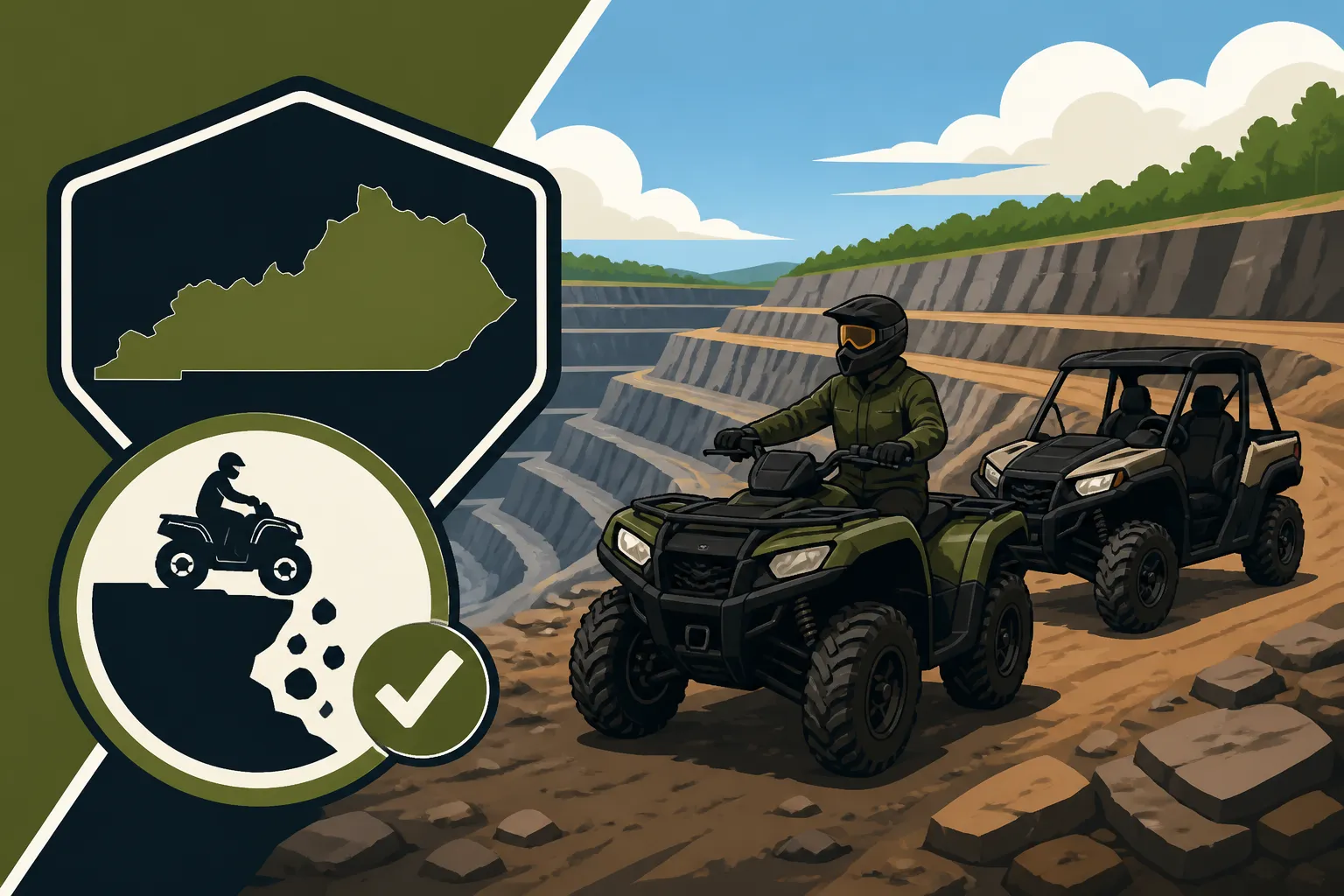
Imagine giant stair steps carved into a mountain. Each step is a "bench." They can vary dramatically in width, from a narrow, single-track path barely wider than your ATV to expansive, almost highway-like stretches. The terrain is a mix of compacted dirt, loose rock, shale, and sometimes surprisingly lush vegetation that has reclaimed parts of the land over time. You'll often find steep drop-offs on one side and a sheer rock face or regraded hillside on the other. Water runoff can create deep ruts, washouts, and challenging mud holes, especially after heavy rains, making them incredibly dynamic and demanding for riders. These aren't pristine wilderness trails; they are industrial landscapes that nature is slowly, powerfully, reclaiming.
Why Are These Areas So Popular for Off-Road Riding?
The appeal of riding strip mine benches is multi-faceted. First, there's the sheer scale and variety of the terrain. Riders can experience everything from fast, open runs on wider benches to technical rock crawling and mud bogging in the deeper sections. The elevation changes offer incredible climbs and descents that test both rider skill and machine capability. Many of these benches lead to breathtaking panoramic views of the Appalachian foothills, vistas you wouldn't get from anywhere else. For many, there's also a sense of adventure, exploring an ever-changing landscape that feels wild and untamed. It's an environment where the capabilities of your ATV or UTV, especially if you've kitted it out with durable SuperATV components like heavy-duty axles or robust lift kits, can truly be put to the test.
Who Owns These Lands, and Why Does It Matter So Much?
Here's where things get tricky, and it's perhaps the most critical aspect of riding strip mine benches: ownership. The vast majority of these lands are privately owned. They are not public parks or state forests (unless explicitly reclaimed and designated as such, which is rare for active or recently active mine lands). Often, these properties are still owned by coal companies, timber companies, or large private landowners who may or less recently have had active mining interests. They might be leased out for other industrial purposes, or simply sitting awaiting future reclamation or development.
Understanding who owns the land is paramount because, in Kentucky, riding on private property without permission is trespassing. This isn't just a minor infraction; it can lead to serious legal consequences, including fines, impoundment of your machine, and even criminal charges. Unlike some Western states where "open range" or implied access might exist, Kentucky's land ownership laws are quite clear: if it's not explicitly public or you don't have direct, verifiable permission, you cannot ride there. The "wild west" feeling of these lands doesn't translate to a legal right to roam. This distinction is vital for every rider venturing into Kentucky's former mining regions.
Legal Landscape: Navigating Access and Trespass on Mine Lands
The allure of riding a vast, open strip mine bench is undeniable, but the legal reality can be a harsh wake-up call for many. Kentucky law is very clear on property rights, and without explicit permission, you're risking a lot more than just a stern talking-to. The common misconception that "if there's no fence, it's fair game" simply doesn't hold water here.
The Core Issue: Private Property and the Law
As mentioned, nearly all strip mine benches are on private property. This means that the landowner, whether it's a large corporation or a smaller individual, has the exclusive right to control who enters and uses their land. Kentucky law protects these rights vigorously. Even if the land appears abandoned, remote, or unused, it still has an owner, and that owner's rights must be respected. [Kentucky Landowner Permission Rules] are not just suggestions; they are the foundation of legal access.
Riding on these lands without permission is considered trespassing. Trespassing can range from a civil matter, where you might be sued for damages, to a criminal offense, especially if signs are posted, gates are locked, or you've been warned previously. Law enforcement in many of these areas, particularly in coal country, is well aware of the challenges associated with illegal off-road riding and will enforce trespass laws. They often know which properties are commonly trespassed upon and will actively patrol access points.
Permission vs. Trespass: What Does It Look Like in Practice?
So, what constitutes legitimate permission? It's not a wink and a nod, or a vague rumor.
- Written Permission: The absolute best scenario is written permission from the landowner. This could be a signed letter, an email, or a permit issued by a land management company. This document should clearly state who is allowed to ride, when, and on what specific areas.
- Designated Trail Systems: The safest and easiest way to ride legally on former mine lands is through a designated, official off-road park or trail system. Places like [Black Mountain Off-Road Adventure Area in Kentucky], [Leatherwood Off-Road Park in Kentucky], or [Rush Off-Road in Eastern Kentucky] have acquired permission or ownership of former mine lands and developed them into legal, managed trail networks. They typically require permits, charge a fee, and have their own set of rules, but you're guaranteed legal access. These parks often incorporate old haul roads and benches into their trail designs, giving you that authentic mine-land riding experience without the legal worries.
- Implied Permission (Risky): This is where many riders get into trouble. Sometimes, local landowners might not actively deter riders, leading to a sense of "implied permission." However, this is a dangerous assumption. What one landowner tolerates, another might prosecute. What was acceptable last year might change overnight. Without explicit permission, you are always at risk of being cited for [Kentucky Trespass Rules for Riders]. Relying on implied permission is akin to playing Russian roulette with your freedom and your machine.
The Consequences of Riding Illegally on Mine Lands
The consequences for illegal riding on Kentucky's strip mine benches can be severe and far-reaching:
- Fines: These can be substantial, often hundreds of dollars, and they can increase for repeat offenses.
- Impoundment of Your Machine: Law enforcement has the authority to seize your ATV or UTV if you're caught trespassing. Getting it back can be a lengthy, expensive, and frustrating process, involving storage fees, fines, and court appearances. Imagine having your prized machine, perhaps outfitted with custom SuperATV accessories, hauled away.
- Criminal Charges: In some cases, especially if you ignore "No Trespassing" signs, break gates, or have been previously warned, you could face criminal charges, which can lead to jail time and a permanent criminal record.
- Damage Liability: If your riding causes any damage to the private property – erosion, ruts, damage to signage – the landowner can sue you for the cost of repairs.
- Safety Risks: Beyond the legal aspect, illegal riding often means riding in unmaintained, unmarked, and potentially dangerous areas. Active mining sites or unreclaimed areas can have unstable ground, unexpected drop-offs, open mine shafts, or hidden hazards that are not present on managed trail systems. You might also encounter active logging or industrial equipment.
It's clear that the risks far outweigh any perceived benefit of riding on private strip mine benches without proper authorization. Prioritizing legal access not only protects you but also contributes to a more positive public image for the entire off-road riding community.
Specific Rules and Considerations for Mine Lands
Even when you secure legal access to ride on former mine lands, either through a park or direct landowner permission, there are crucial safety and environmental considerations that differentiate these areas from typical recreational trails. These aren't just polite suggestions; they're often embedded in park rules or implied by the rugged, industrial nature of the terrain.
Safety Hazards Unique to Mine Benches
Strip mine benches, by their very nature, are not designed for recreation. They were built for industrial purposes, and even long after mining ceases, they retain inherent dangers that riders must respect.
- Steep Drop-Offs and Unstable Edges: Benches often have sudden, sheer drop-offs, sometimes hundreds of feet. The edges can be unstable, particularly after rain, and can crumble under the weight of a machine. Always maintain a safe distance from the edge, especially if the ground looks soft or disturbed. The expansive views are thrilling, but they come with significant exposure.
- Old Mine Openings and Subsidence: While many areas are reclaimed, abandoned mine shafts, ventilation holes, or areas of subsidence (where the ground has sunk due to underground workings) can exist. These can be hidden by vegetation or water, creating deadly traps. Stick to established paths and never venture into unmarked, overgrown areas.
- Hidden Obstacles: Mining operations leave behind a legacy of debris. You might encounter hidden rebar, old pipes, cables, rusted metal, or even unexploded blasting caps. These can cause tire punctures, damage to your machine, or serious injury. A good set of SuperATV skid plates can offer some protection, but vigilance is key.
- Heavy Equipment: On active or even intermittently active mine properties, you might encounter heavy machinery like bulldozers, haul trucks, or excavators. These machines have enormous blind spots, are slow to maneuver, and will not be expecting recreational riders. Always yield, make eye contact if possible, and give them a very wide berth.
- Remote Location and Lack of Services: Many mine benches are in extremely remote areas with no cell service, limited access roads, and far from emergency services. If you have a breakdown or an accident, help can be a long time coming. Always ride with a buddy, carry a first-aid kit, spare parts, and adequate supplies. Plan your route carefully and let someone know your itinerary.
Environmental Regulations and Responsible Riding
Riding on former mine lands also comes with a responsibility to the environment. Reclamation efforts are ongoing in many areas, and it's vital to respect these fragile ecosystems.
- Stay on Marked Trails: This is the golden rule. Venturing off-trail can damage newly planted vegetation, accelerate erosion, and disturb wildlife. Many designated parks use old benches as part of their marked trail system, making it easy to comply.
- Protect Waterways: Kentucky is crisscrossed with creeks and rivers. Avoid riding through creek beds unless it's a designated crossing. Mud and oil from machines can pollute waterways, harming aquatic life. [Kentucky Rules for Riding a Creek Bed] are generally restrictive for good reason.
- Spark Arresters: [Kentucky Spark Arrester Rules] are often enforced, especially in dry conditions. Ensure your ATV or UTV is equipped with a functioning spark arrester to prevent wildfires, which can be devastating in these often-wooded, dry areas.
- Pack It In, Pack It Out: Leave no trace. All your trash, broken parts, and anything you bring in must leave with you. This preserves the natural beauty and ensures continued access for future riders.
- Respect Wildlife: Mine lands often become crucial habitats for deer, elk, turkey, and other animals as nature reclaims the landscape. Ride respectfully, observe from a distance, and avoid disturbing them, especially during nesting or breeding seasons.
Table: Key Differences: Designated Park Trails vs. Unsanctioned Mine Benches
| Feature | Designated Off-Road Park Trail (e.g., Black Mountain) | Unsanctioned/Private Mine Bench (No Permission) |
|---|---|---|
| Legality of Access | Explicitly legal with permit | Illegal (trespassing), high risk |
| Safety Markings | Usually well-marked trails, warning signs | Unmarked, no warnings, hidden dangers |
| Emergency Services | Often available, mapped trails, cell service (some) | Extremely remote, no cell service, slow response |
| Terrain Maintenance | Maintained, hazard mitigation (some) | Unmaintained, natural and industrial hazards |
| Environmental Impact | Managed for sustainability, rules enforced | Unregulated, high potential for damage |
| Cost | Permit/entrance fee | Fines, impoundment, legal fees, personal injury |
| Community Impact | Supports local economy, responsible recreation | Negative perception, landowner conflict |
Finding Legal Riding Opportunities on Former Mine Lands
The good news is that you don't have to abandon the dream of riding rugged, expansive strip mine terrain in Kentucky. You just need to know where to go and how to gain legal access. Several incredible trail systems in the state are built specifically on reclaimed or leased former mine lands, offering thousands of acres of challenging and legitimate riding.
Designated Trail Systems Built on Former Mine Lands
Kentucky is home to some fantastic trail parks that have embraced the unique topography of coal country and turned it into an off-road paradise. These parks have either purchased or secured long-term leases on former mining properties, transforming them into managed recreational areas.
- Black Mountain Off-Road Adventure Area: Located in Harlan County, this is perhaps the most famous example. With over 7,000 acres and 150 miles of trails, it offers everything from easy scenic routes to extreme rock crawling, all within the context of reclaimed mining land. You'll find yourself on old haul roads and benches, experiencing the true character of Eastern Kentucky's mountains. They have clear rules, maps, and staff to ensure a safe and legal experience.
- Leatherwood Off-Road Park: Situated in Perry, Letcher, and Leslie counties, Leatherwood offers another massive network of trails carved into the Appalachian landscape. Spanning tens of thousands of acres of leased coal land, it provides a diverse riding experience on old logging roads and mining trails. It's known for its challenging terrain and breathtaking views.
- Rush Off-Road: Located near Ashland in Boyd County, Rush is a newer, large park built on over 7,000 acres of former mining property. It offers hundreds of miles of trails for various skill levels, including those characteristic long bench roads and steep climbs.
- Hollerwood Off-Road Park: Near the Red River Gorge, Hollerwood offers another great option with thousands of acres, often featuring terrain shaped by past resource extraction.
These parks are not just legal; they're also safer, with marked trails, onsite assistance, and often, amenities like restrooms and camping. They are the epitome of responsible access to this type of riding environment. By supporting these parks, you're helping to ensure that the unique landscape of Kentucky's coal country remains accessible for off-road enthusiasts for years to come. Remember to always check the specific rules and permit requirements for each park before you visit.
Seeking Landowner Permission
While the designated parks are the easiest route, it is theoretically possible to gain permission from private landowners for specific mine benches. However, this often requires significant effort and a personal connection.
- Identify the Landowner: This can be challenging. County property records are public, but finding the specific entity (often a corporation) that owns vast tracts of former mine land can be a research project.
- Make a Formal Request: Once identified, contact the landowner directly. Be professional, explain exactly what you want to do, and emphasize your commitment to safety and environmental responsibility. Offer to sign waivers or agreements. Many large corporations, however, will have blanket policies against granting individual recreational access due to liability concerns.
- Local Connections: Sometimes, local residents who have long-standing relationships with land managers or smaller private landowners might be able to facilitate permission. This is often more effective for smaller, isolated benches rather than vast tracts of land.
Even with permission, remember that the land is still private. You're a guest, and your actions reflect on the entire riding community. Respect any conditions the landowner sets, and leave the property in better condition than you found it.
Understanding Local Ordinances and State Laws
Beyond specific property access, it's also crucial to understand general [Kentucky Rules for Riding Private Land] and how they might intersect with any local ordinances. While Kentucky has no statewide ATV registration or inspection, local jurisdictions might have rules regarding noise, hours of operation, or specific restrictions if a bench happens to abut a residential area. Always be aware of your surroundings and respect local communities.
Ultimately, riding Kentucky's strip mine benches offers an unparalleled off-road experience. The key to truly enjoying them lies in responsible, legal access. By utilizing the excellent designated trail systems or diligently securing landowner permission, you can safely explore these rugged, historic landscapes and experience the true thrill of off-roading in Kentucky's coal country.
Disclaimer
This article is for general informational purposes only and does not constitute professional advice. Laws, prices and regulations vary by location and change over time. Consult a qualified professional for guidance on your specific situation.