Kentucky Helmet Rules on Public Property at 16
There's often a ton of confusion swirling around Kentucky's ATV and UTV laws, and frankly, figuring out who needs to wear a helmet, and where, can feel like trying to solve a riddle in a dust storm. This is especially true when you're looking at riders who are just hitting that sweet sixteen milestone, balancing new freedoms with very real responsibilities. This guide is here to cut through all that noise, giving you a crystal-clear understanding of Kentucky's helmet rules specifically for 16-year-old riders on public property, so you can ride safely and legally.
Unraveling Kentucky's General Helmet Law for ATVs
Kentucky's approach to ATV and UTV safety, especially concerning helmets, isn't always straightforward. It's not like a simple "wear it or don't" rule that applies universally. Instead, the law carves out specific scenarios where helmets are absolutely required, and "public property" is a big one. For many riders and their families, this distinction is often the source of endless head-scratching. We all want to hit the trails or tackle chores, but no one wants to run afoul of the law or, more importantly, put themselves at unnecessary risk.
The Core Statute and Its Broad Scope
At its heart, Kentucky law states that anyone operating or riding as a passenger on an ATV on public property must wear a helmet. This isn't just a suggestion; it's a mandate. The intent behind this law is clear: to protect riders in environments where there's less control over terrain, other vehicles, or unforeseen hazards. Public property, in the eyes of the law, implies a greater duty of care from the state to ensure the safety of its citizens. This means that if you're out and about on a public trail, a state park, or even crossing a public road (which we'll get to later), that helmet needs to be securely fastened.
The wording can feel broad, and that's precisely where the confusion can creep in. People often assume "public property" means only official trail parks, but it can encompass much more. It's about recognizing that when you're not on your own land, or land you have specific permission to be on privately, you're likely entering a jurisdiction where the state's safety rules take precedence. This is especially pertinent for new riders, including those at age 16, who might be eager to explore but lack a full grasp of the legal landscape.
Why "Public Property" Creates Confusion
The phrase "public property" sounds simple enough, but its application to ATV riding can be surprisingly nuanced in Kentucky. For instance, many people differentiate between a designated off-road park and a county road, assuming different rules. However, both generally fall under the umbrella of public property when it comes to helmet requirements. This is where riders can get caught off guard. You might be riding a well-worn path that feels like private access, only to discover it's actually on state or county-owned land. This subtle distinction highlights the importance of truly knowing where you're riding.
Consider the common scenario of a rider using an ATV to get from one part of their family's farm to another, perhaps requiring a brief crossing of a public road. While the farm itself is private, that moment on the public road instantly triggers the helmet law. It's these fleeting interactions with public spaces that often lead to citations or, worse, accidents without proper protection. The law isn't designed to be punitive but rather preventative, aiming to minimize serious head injuries in situations where the risks are inherently higher due to shared access and varied conditions. Understanding this distinction is crucial for any rider, particularly younger ones, to stay safe and compliant.
Comparing ATVs and UTVs Under Helmet Rules
When we talk about "ATVs," Kentucky's helmet laws usually lump in UTVs (Utility Task Vehicles), often called side-by-sides, under the same general umbrella for public property riding. While they look and feel different – ATVs typically involve a straddle seat and handlebar steering, while UTVs have bucket seats, a steering wheel, and often a roll cage – the core safety principle remains. If it's an off-road vehicle operating on public land, the helmet requirement is almost universally applied. This helps to simplify the rules, preventing riders from trying to find loopholes based on vehicle type.
However, there can be subtle differences that lead to misunderstandings. Some UTVs come with factory-installed roll cages and seatbelts, which might lead an owner to believe a helmet is unnecessary, especially compared to an open-air ATV. Yet, the Kentucky statute is quite explicit: if you're on public property, the helmet is typically mandatory for both ATVs and UTVs. The added safety features of a UTV are definitely a plus, but they don't generally negate the need for head protection under the current public property laws. Always assume the helmet rule applies, regardless of whether you're on a traditional quad or a more enclosed side-by-side, especially if you're out exploring trails managed by the state or county.
Specifics for Riders Aged 16 on Public Lands
Now, let's zoom in on the specific age group: 16-year-olds. This age often brings a new level of independence and perhaps a driver's permit for cars, which can sometimes create a false sense of security or lead to assumptions that ATV laws are similar. However, ATV helmet laws in Kentucky have distinct rules, and the age of 16 doesn't automatically grant an exemption when riding on public property. In fact, it's a critical age to understand these rules clearly, as it's often when young riders are out with friends, exploring new areas, and pushing their limits.
The Age-Based Mandate on Public Property
For anyone 16 years old or older, the Kentucky law still mandates helmet use when operating an ATV or UTV on public property. There isn't a magical age where the helmet requirement on public lands disappears. While Kentucky does have specific rules for riders [Kentucky Helmet Rules for Riders Under 16] (which are even more stringent), reaching 16 doesn't mean you can shed the helmet on public trails. This is a common point of confusion. A 16-year-old might be able to drive a car legally on the road with certain restrictions, leading them to believe they're "adult enough" to make their own choices regarding helmets on an ATV.
However, the state's intent is to protect all riders, regardless of age, when they are in environments that carry higher inherent risks, such as public trails or crossing public roadways. The physical demands and potential for impact are the same for a 16-year-old as they are for a 30-year-old. So, for every 16-year-old planning to hit a state park, a public trail system, or even make a quick run down a [Kentucky Rules for Riding a County Road], that helmet is not just recommended, it's legally required. It's a foundational safety measure that the state isn't willing to compromise on for public access.
What "Public Property" Truly Means for a Rider
For a 16-year-old, understanding the scope of "public property" is vital. It’s not just about obvious places like the entrance to Black Mountain Off-Road Adventure Area. It extends to any land that is owned or maintained by the state, a county, or a municipality, where the public has a general right of access. This could include fire roads, certain utility corridors, or even seemingly deserted backroads that are technically part of the county road system. The distinction between public and private land isn't always marked with clear signs, which means riders need to be diligent in knowing their route.
Sometimes, what feels like an old, abandoned logging road might actually be on state forest land, bringing it under the public property rule. For example, if you're riding an old haul road that connects to a state route, even if it feels remote, it's still considered public access. It's these grey areas where riders, especially younger ones who might be less experienced with land ownership nuances, can unknowingly violate the law. If there's any doubt, err on the side of caution and wear your helmet. After all, the cost of a ticket, or worse, an injury, far outweighs the minor inconvenience of wearing protective gear.
Consequences of Non-Compliance for 16-Year-Olds
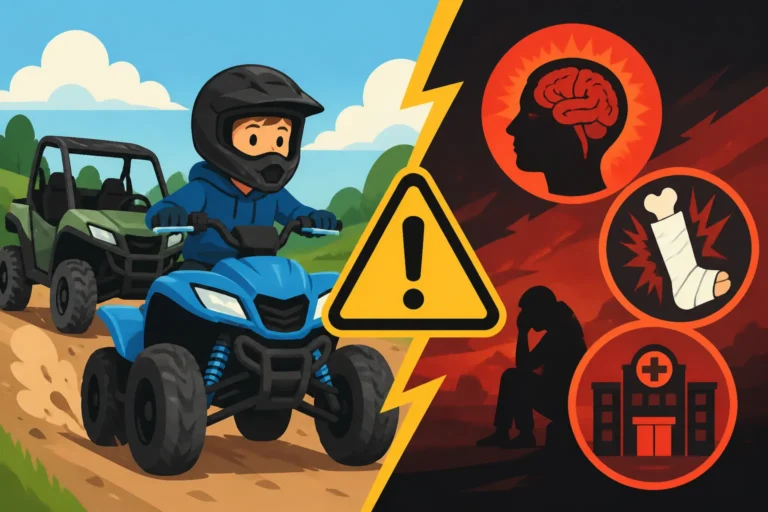
Ignoring Kentucky's helmet law, especially for a 16-year-old on public property, carries tangible consequences. First and foremost, there's the safety aspect: an unhelmeted rider is at a significantly higher risk of severe head injury in an accident. Beyond personal safety, there are legal penalties. Getting caught without a helmet on public land can result in a fine, and if you're under 18, it might involve parental notification or even court appearances. These citations can be a real damper on a fun day out and can hit a parent's wallet hard. For a more general understanding of penalties, you might look into [Kentucky Fines for Illegal ATV Road Use].
Furthermore, an incident involving an unhelmeted 16-year-old on public property could have implications for insurance coverage. While an ATV might be insured, some policies could deny claims if safety laws, like helmet mandates, were violated at the time of an accident. This adds a layer of financial risk that no one wants to face. It's a serious matter, and the law isn't just about revenue; it's about protecting lives. Therefore, for any 16-year-old rider, understanding that the helmet is non-negotiable on public lands is crucial for both their safety and their legal standing.
Exemptions That Don't Apply to General Public Riding
Kentucky law, like many state statutes, does include certain exemptions to its general rules, and ATV helmet use is no exception. However, it's absolutely critical to understand that these exemptions are typically very specific and narrow in scope. They are not blanket waivers for recreational riders on public property. This distinction often trips up riders who hear about an exemption and mistakenly believe it applies to their situation, only to find themselves in violation of the law. It’s important to clarify these to avoid misunderstanding.
The Farm, Mining, and Logging Exceptions
Kentucky law provides specific exemptions for helmet use when ATVs or UTVs are being used for particular types of work. Primarily, these include farm-related activities, mining operations, and logging endeavors. For instance, if you're driving your side-by-side across your own land or a leased field to check fences, haul feed, or perform other agricultural tasks, the helmet requirement typically doesn't apply. This is largely because the vehicle is considered a utility tool within a controlled work environment. An article like [Kentucky Helmet Exemption for Farm Work] delves into this in more detail.
Similarly, on active mining sites or logging operations, workers operating ATVs or UTVs as part of their job duties may also be exempt from the helmet rule. These are very specific industrial contexts where other workplace safety regulations and protocols are in place. The key takeaway here is "work-related." These are not exemptions granted for leisure riding, even if that leisure riding happens to take place in a rural setting. It's about the purpose and context of the operation, not just the location itself.
Why These Exemptions Don't Extend to Rec Riders
The mistake many recreational riders make is assuming that because they are in a rural area, or perhaps even near a farm or logging operation, these work-related exemptions apply to them. This is simply not the case. If a 16-year-old is out riding their ATV on a designated trail within a state park, or even crossing a public access road to get to another trail, they are not engaged in farm, mining, or logging activities. Therefore, the exemptions do not apply, and a helmet is still required.
The spirit of the law for these exemptions is tied to specific occupational uses where the vehicle is functioning as equipment rather than solely for recreation. For example, if you're using a SuperATV cargo box to haul tools for farm work, that's one thing. If you're on a public trail system admiring the views, that's entirely another. The moment you transition from a bona fide work activity to recreational riding on public property, the helmet requirement snaps back into place. It’s crucial for riders and parents to understand this distinction to avoid fines and, more importantly, to stay safe.
Understanding the Limitations of "Private Property"
Another common area of confusion regarding exemptions is "private property." Many riders correctly understand that if they are on their own private land, or on private land with express permission from the owner, Kentucky's state helmet laws generally do not apply. This is where personal choice and individual responsibility come into play. However, the caveat is "private property." The moment you leave that private parcel and venture onto any public easement, right-of-way, or road, even for a brief moment like making a [Kentucky's 0.2-Mile Crossing Rule], you are subject to public property laws, including the helmet mandate.
It's a subtle but critical boundary. Riders often feel that because they began their ride on private land, the rules follow them. Not so. The rules change as soon as your tires touch public ground. This is why knowing exactly where property lines lie, and which roads are public versus private, is paramount. Relying solely on the "I'm on private land" argument will not hold up if you've crossed onto public property without a helmet. Always assume you need a helmet if there's any question about the land's ownership status, especially if you're a 16-year-old exploring new areas.
Navigating Different Types of "Public Property"
The term "public property" isn't a monolith; it encompasses a variety of terrains and jurisdictions, each with its own quirks and enforcement practices. For a 16-year-old ATV rider in Kentucky, understanding these nuances is essential for legal and safe operation. You can't just assume that the rules for a state-managed trail are the same as those for a county road, or for riding within a national forest. Each environment brings its own set of guidelines, and staying informed is your best defense against surprises.
State and County Roads: A Murky Area
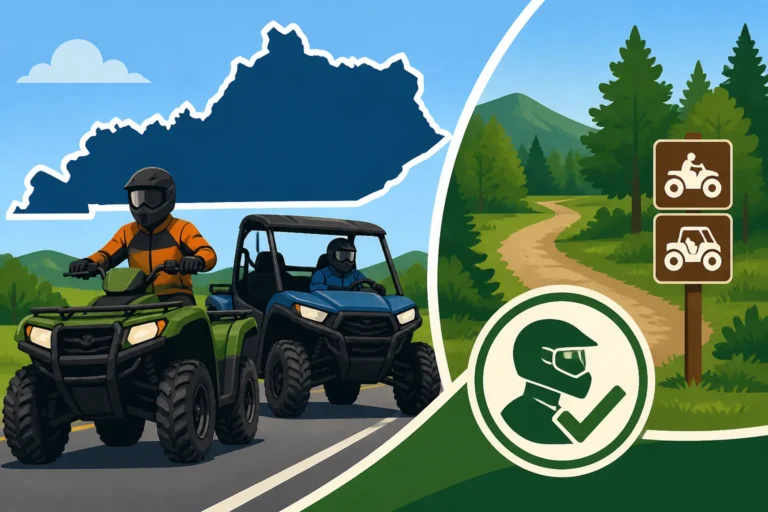
Riding an ATV or UTV on Kentucky's state and county roads is a really tricky subject, and often a source of significant confusion. Generally speaking, ATVs and UTVs are not street legal in Kentucky. However, there are very limited exceptions, such as crossing a two-lane road at a ninety-degree angle for no more than [0.2 Mile and Not a Yard More]. Even in these fleeting moments, when you are technically on public roadway, the helmet rule still applies. It's a critical safety measure for interactions with other traffic, no matter how brief.
What complicates this further is the patchwork of local ordinances. While state law largely restricts ATVs from public roads, some Kentucky cities have "opted-in" to allow certain UTVs (often classified as Special Purpose Vehicles or SPVs) on their city streets, usually with strict speed limits and equipment requirements. Even in these specific "opt-in" areas, a helmet might still be required depending on the local ordinance, and certainly for riders under 18. So, before a 16-year-old even considers a public road, they need to verify local rules and be prepared to wear a helmet. For more on the topic, read about [Kentucky Rules for Riding a County Road].
Designated Off-Road Parks and Their Own Rules
Kentucky is home to some fantastic designated off-road parks, like Black Mountain, Leatherwood, and Rush Off-Road. These parks are often on leased or owned public land, or land with public access, and they typically have their own specific rules in addition to state law. When you ride in these parks, even if you are 16, the helmet requirement is rigorously enforced. These are places designed for recreational riding, which means they are definitely classified as public property for helmet law purposes. The parks want to ensure everyone's safety and avoid liability, so they're strict about gear.
Beyond just the helmet, many of these parks have rules about eye protection, appropriate footwear, and sometimes even specific machine requirements. You'll often find that the staff at the gate or on the trails will do spot checks to ensure compliance. If you or your 16-year-old are planning a trip to one of these awesome locations, make sure your helmets are ready to go. The rules are there to protect you while you're enjoying the thrill of the ride, and companies like SuperATV offer a range of protective gear that can help you meet these requirements.
National Forest and Land Between the Lakes Considerations
Riding in areas like the Daniel Boone National Forest or the Turkey Bay OHV Area within the Land Between the Lakes National Recreation Area presents another specific set of "public property" rules. These are federal lands, but state laws regarding helmet use often still apply, or the federal land management agency will have its own equivalent requirements. For a 16-year-old riding an ATV or UTV in these beautiful, extensive areas, a helmet is absolutely mandatory. These are vast, rugged environments where help might be a long way off, making head protection paramount.
Permits are often required for riding in these areas, and adherence to safety rules, including helmet use, is usually a condition of that permit. Park rangers and forest service personnel regularly patrol these areas, and they are well-versed in enforcing safety regulations. Don't assume that just because it's federal land, Kentucky state law somehow doesn't reach it; often, the regulations are harmonized or complement each other. For specifics, you'd want to review resources like [Kentucky Rules for Riding a National Forest] or [Kentucky Rules for Riding Land Between the Lakes]. The bottom line is: if you're hitting these trails, your helmet needs to be on.
Essential Safety Gear Beyond the Helmet
While the helmet is undoubtedly the star of the show when it comes to head protection and legal compliance on public property in Kentucky, it's just one piece of a larger safety puzzle. Riding ATVs and UTVs, while incredibly fun, carries inherent risks that extend beyond just head injuries. A truly responsible rider, especially a 16-year-old with developing skills and judgment, understands that a full suite of protective gear significantly enhances their safety and overall enjoyment of the ride. Think of it as creating a personal safety bubble around yourself.
Eye Protection and Protective Clothing
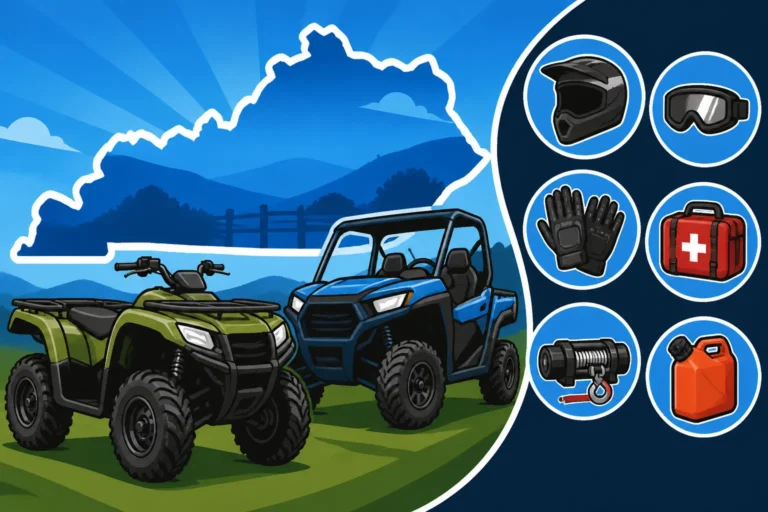
Next to a helmet, proper eye protection is non-negotiable. Dust, flying debris, branches, and insects can all impair your vision instantly, leading to dangerous situations. Goggles that fit snugly with your helmet are ideal, offering full coverage and preventing irritation. Regular sunglasses just won't cut it, as they don't provide adequate protection from all angles or secure adhesion to your face during jarring movements. Clear lenses are great for cloudy days or riding after [Daylight Only Under the Statute], while tinted or mirrored lenses are perfect for bright, sunny conditions.
Beyond the eyes, your body needs protection too. Long-sleeved shirts and long pants made of durable material (like denim or specialized riding gear) are crucial. They protect against scrapes, cuts, and abrasions from branches, rocks, or even a minor tumble. While it might seem hot in the Kentucky summer, lightweight, breathable riding gear designed for off-road use can offer protection without excessive discomfort. Avoid loose clothing that can get snagged on branches or caught in moving parts of the machine.
The Importance of Proper Footwear and Gloves
Your feet and hands are incredibly vulnerable on an ATV or UTV. Sturdy, over-the-ankle boots are essential. These aren't just for comfort; they provide critical support to your ankles, preventing twists and sprains, and protect your feet from impacts, hot engine parts, or sharp objects on the ground. Think about heavy-duty hiking boots or specialized motocross boots – anything that offers robust protection and good grip. Sandals, sneakers, or flimsy shoes have no place on an ATV.
Gloves are equally important. They protect your hands from blisters, cuts, and scrapes, and provide a better grip on the handlebars, especially during long rides or in wet conditions. Even a minor injury to your hand can significantly impact your ability to control the machine. Look for gloves designed for off-road riding, often with padded knuckles and palms, which offer both protection and dexterity. Companies like SuperATV understand the need for reliable gear and often carry accessories that contribute to a safer ride.
Beyond the Gear: Rider Training and Awareness
While gear provides physical protection, proper rider training and awareness are the mental and skill-based components of safety. For a 16-year-old, taking an ATV safety course is highly recommended, even if it's not legally mandated in Kentucky. These courses teach critical riding techniques, risk assessment, and how to handle various terrains and emergency situations. They build confidence and competence, turning a potentially risky activity into a controlled, enjoyable one. You can find more information on this under [Kentucky ATV Safety Course Requirements].
Awareness also extends to knowing your machine's capabilities and limitations, as well as your own. Never ride beyond your skill level, and always be aware of your surroundings – other riders, wildlife, trail conditions, and potential hazards like unexpected drop-offs or deep ruts. Understanding basic maintenance checks before each ride, like tire pressure, fluid levels, and brake function, is also a vital part of responsible riding. Safety is a continuous process of learning, preparing, and staying vigilant, not just a checklist of equipment.
Practical Advice for 16-Year-Old Riders and Parents
For 16-year-old riders and their parents, navigating the world of ATVs and UTVs requires a blend of enthusiasm, common sense, and strict adherence to safety and legal guidelines. It's a fantastic way to enjoy Kentucky's beautiful outdoors, but it demands respect and preparation. This section aims to provide actionable advice to ensure those rides are both memorable and safe, keeping legal requirements like helmet use on public property firmly in mind.
Choosing the Right Helmet: Fit and Certification
When it comes to helmets, fit is paramount. A helmet that's too loose can shift around during an impact, offering little protection, while one that's too tight can be uncomfortable and distracting. For a 16-year-old, whose head might still be growing, regular checks for fit are a good idea. The helmet should feel snug all around, without excessive pressure points. It shouldn't move side-to-side or front-to-back when you shake your head.
Equally important is certification. Always choose a helmet that meets recognized safety standards, such as DOT (Department of Transportation) or Snell. These certifications mean the helmet has been rigorously tested to withstand impacts and provide reliable protection. Don't skimp on quality here; a cheap, uncertified helmet is a false economy when it comes to brain protection. Visit a reputable dealer or check online stores like SuperATV for certified options and sizing guides. Remember, a high-quality helmet is an investment in your safety.
Riding Legally and Responsibly
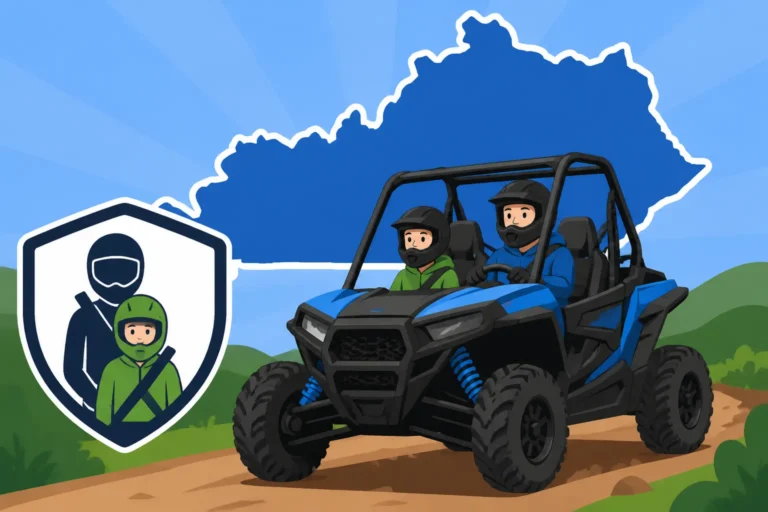
Riding legally means understanding and following all Kentucky laws, especially concerning age restrictions and helmet mandates on public property. For 16-year-olds, this means always wearing that certified helmet when venturing onto public trails or roads. It also means understanding [Kentucky Rules for a Rider Under 16] if younger siblings or friends are joining, as supervision requirements are strict. But responsibility goes beyond just the law. It's about making smart choices on the trail.
This includes riding at appropriate speeds for conditions, never riding under the influence of drugs or alcohol, and avoiding stunts or reckless behavior that could endanger yourself or others. It's also about respecting the environment – staying on marked trails, avoiding sensitive areas, and minimizing your impact on nature. Being a responsible rider means being an ambassador for the sport, ensuring that these opportunities remain open for everyone to enjoy.
Preparing for a Ride: Pre-Trip Checks and Planning
Every ride, especially for a 16-year-old who might be heading out with friends, should start with thorough preparation. This involves both the machine and the rider.
Machine Checks:
- Tires: Check tire pressure and inspect for any cuts or damage.
- Fluids: Ensure oil, coolant, and brake fluid levels are appropriate.
- Brakes: Test both front and rear brakes for proper function.
- Lights: Verify headlights and taillights are working, especially if there's any chance of riding near dusk or dawn.
- Fuel: Always start with a full tank and consider carrying extra fuel if venturing on long loops.
- Winch/Recovery Gear: If equipped, ensure they are functional.
Rider Planning:
- Route Planning: Know where you're going, the difficulty of the trails, and potential bail-out points. Inform someone of your route and estimated return time.
- Weather: Check the forecast and dress accordingly. Be prepared for sudden changes, especially in Kentucky's mountains.
- Emergency Kit: Carry a basic first-aid kit, a small tool kit, a fully charged cell phone (though be aware of dead zones in hollers), water, and snacks.
- Buddy System: Never ride alone. Riding with a buddy or in a group is always safer.
- Permits: If riding in a designated park or forest, ensure all necessary permits are acquired beforehand.
By taking these steps, 16-year-old riders can confidently and safely enjoy the incredible experience of ATV and UTV riding in Kentucky, knowing they are prepared, protected, and compliant with the law.
| Rider Age | Property Type | Helmet Required? | Notes |
|---|---|---|---|
| Under 16 | Any public property (trails, roads, parks) | Yes | Mandatory by law. Strict supervision rules also apply. Refer to [Kentucky Rules for Riders Under 16]. |
| Under 16 | Private property (with permission) | No (by law) | Highly recommended for safety. Parental discretion. |
| 16 and Up | Any public property (trails, roads, parks) | Yes | Mandatory by law. Applies to all designated public trails, national forests, and brief public road crossings. |
| 16 and Up | Public Property (Farm/Mine/Logging Work) | No | Exemption for work-related use only. Does not apply to recreational riding. See [Kentucky Helmet Exemption for Farm Work]. |
| 16 and Up | Private property (owner/with permission) | No (by law) | Recommended for safety. Personal choice, but risk is higher. |
| All Ages | Street Legal SPV (in "opt-in" cities) | Often | Check specific city ordinances. May require a helmet based on local rules and general SPV requirements. |
Disclaimer
This article is for general informational purposes only and does not constitute professional advice. Laws, prices and regulations vary by location and change over time. Consult a qualified professional for guidance on your specific situation.