Insurance Kentucky Requires on a Street
It's incredibly frustrating, isn't it? You've got your UTV or ATV, you love hitting the trails, but you also want the convenience of taking it on certain Kentucky roads. The problem is, the moment those tires touch pavement, a whole new world of rules, especially around insurance, opens up, leaving many riders scratching their heads. This guide is here to untangle the complexities of Kentucky's street-legal ATV and UTV insurance requirements, helping you understand exactly what you need to ride legally and confidently.
The Confusing Reality of Kentucky's Street-Legal ATV/UTV Laws
For years, the idea of an ATV or UTV being street-legal in Kentucky felt like a pipe dream for most riders. The law was, let's just say, a bit… vague, and often left up to local interpretation. This created a patchwork quilt of rules that varied from county to county, leaving many of us wondering if we were doing things correctly or just asking for a ticket. But things have slowly, and somewhat complexly, evolved.
Why the Confusion Lingers for Riders
One of the biggest sources of frustration is that powersports machines traditionally haven't been designed or primarily intended for street use. You buy an ATV to conquer mud, rocks, and dirt, not to pick up groceries. Because of this ingrained perception, riders often assume their off-road machine is simply not allowed on any public road, period. Add to that the fact that Kentucky's laws on this topic have seen revisions and additions over time, rather than a single, clear, sweeping declaration, and you've got a recipe for confusion. Many seasoned riders, even those who've been at it for decades, can struggle to keep up with the latest nuances, let alone new riders trying to figure it all out. It's not just about knowing if you can ride on the street, but how – and that includes what kind of insurance you're required to carry.
The Distinction Between Off-Road and On-Road Use
This might seem obvious, but it's a critical point when it comes to insurance. The risks associated with tearing through a wooded trail are fundamentally different from those you face while driving on a paved county road with cars, trucks, and other traffic. Off-road incidents might involve hitting a tree, rolling on a steep climb, or getting stuck in a creek bed – and your typical off-road ATV insurance is geared toward covering these types of damages to your machine, and perhaps some liability if you injure someone on private land or a dedicated trail. However, on a public street, you're now dealing with potential collisions with other vehicles, pedestrians, or even property damage to public infrastructure. The stakes, and the liabilities, are much higher. Your standard trail-riding policy simply isn't designed to cover these elevated public road risks, and if you try to make a claim after a street incident, you'll likely find yourself out of luck.
Kentucky's Special Purpose Vehicle SPV Category
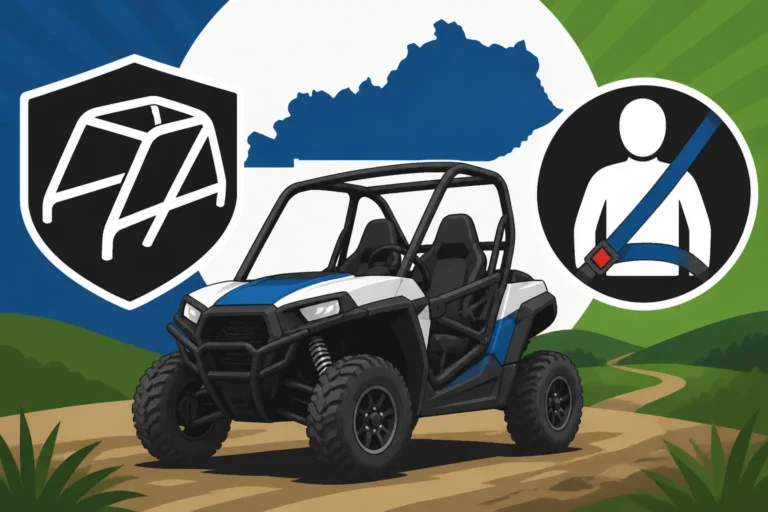
The breakthrough for street-legal ATVs and UTVs in Kentucky largely comes down to understanding the "Special Purpose Vehicle" (SPV) designation. This is Kentucky's way of categorizing certain off-road machines, like many UTVs and some ATVs, that can be legally modified and registered for limited public road use. It's not a blanket free-for-all, mind you, but it opens the door. For your machine to even qualify as an SPV, it must meet a very specific set of criteria, including having at least four wheels, a steering wheel, roll-over protection, seatbelts, and a host of other safety and equipment requirements. Think headlights, taillights, brake lights, turn signals, mirrors – the whole nine yards. Once your machine meets these criteria and passes an inspection, you can register it as an SPV, which then brings it into the realm of requiring specific types of insurance, much like a car or motorcycle. This SPV status is the absolute linchpin for legal street operation, and without it, your machine is strictly confined to off-road use, regardless of what insurance you try to put on it.
Deciphering Kentucky's SPV Insurance Mandate
So, you've gone through the hoops, your machine qualifies as an SPV, it's been inspected, and now it's time to talk about the golden ticket: insurance. This is where many riders get tripped up, assuming their existing ATV policy will suffice. Spoiler alert: it won't.
Motorcycle-Level Insurance for a Kentucky SPV
Here's the crucial detail that you absolutely cannot overlook: if you want to operate your SPV on designated Kentucky roads, the law mandates that you carry motorcycle-level insurance. Let that sink in. This isn't just a casual suggestion; it's a requirement to register your machine as an SPV and, crucially, to legally drive it on the street. This means your policy must provide at least the same minimum liability coverage amounts that a standard motorcycle is required to carry in Kentucky. These minimums are in place to ensure that if you are at fault in an accident, there is at least some financial protection for the bodily injury and property damage you might cause to others. It's a significant step up from what most traditional off-road ATV policies offer, and for good reason. Public roads come with public responsibilities. For more details on this, check out [Motorcycle-Level Insurance for a Kentucky SPV].
What "Motorcycle-Level" Really Means for Your Policy
When an insurance provider talks about "motorcycle-level" coverage, they're typically referring to the standard components found in policies designed for street-legal two-wheelers. The most fundamental part of this is liability coverage. This breaks down into:
- Bodily Injury Liability: This pays for medical expenses, lost wages, and pain and suffering for anyone you injure in an accident where you are at fault. For example, if you misjudge a turn on a county road and clip a pedestrian, this coverage would help cover their hospital bills and recovery.
- Property Damage Liability: This covers the cost of repairing or replacing property you damage in an accident where you are at fault. Imagine you lose control on a gravel road and take out someone's mailbox or scrape the side of their parked truck – this is the coverage that would kick in.
Beyond these basic liability requirements, many motorcycle policies (and thus, your SPV policy) will also offer or require things like:
- Uninsured/Underinsured Motorist (UM/UIM) Coverage: This is incredibly important. It protects you if you're hit by a driver who either has no insurance or not enough insurance to cover your damages. Given the number of uninsured drivers out there, this is a wise addition.
- Medical Payments (MedPay) or Personal Injury Protection (PIP): These cover your own medical expenses resulting from an accident, regardless of who was at fault. While not always mandated, having this can be a lifesaver for unexpected hospital bills.
It's a comprehensive approach designed to protect you and others in the context of public road use, much like your car insurance.
Why Standard ATV Insurance Falls Short on the Street
You might have a fantastic ATV insurance policy that covers your machine for theft, damage, and even some liability when you're out on the trails. That's great for what it's for! However, almost without exception, these standard ATV policies come with very clear exclusions for public road use. The moment you take your machine onto a road not specifically designated as an OHV trail, you've likely voided your coverage for that incident.
Think of it this way: an insurance company assesses risk based on the typical use of a vehicle. An ATV used exclusively for off-road recreation presents one set of risks. An ATV or UTV operating alongside cars and trucks on a highway presents an entirely different, and generally higher, set of risks. Because these risks are not factored into the premium or the policy language of a standard ATV policy, the insurer won't cover claims arising from such use. If you have an accident on a Kentucky street with only your off-road ATV policy, you'll be personally responsible for all damages, injuries, and legal fees, which can quickly lead to financial ruin. It's a hard lesson to learn, which is why understanding the "motorcycle-level" requirement for SPVs is paramount.
| Feature / Coverage Type | Standard Off-Road ATV Insurance | Kentucky SPV (Motorcycle-Level) Insurance |
|---|---|---|
| Primary Use Covered | Trails, private property, off-road parks | Public roads (where legal), private property, trails |
| Liability for Others | Limited; often excluded on public roads | Mandatory bodily injury and property damage liability, matching state minimums |
| Damage to Your Machine | Collision, comprehensive for off-road incidents | Collision, comprehensive for both on-road and off-road incidents (if chosen) |
| Medical Expenses for You | Often an optional add-on or limited | Medical Payments (MedPay) or PIP often available/recommended |
| Uninsured Motorist | Rarely included or applicable off-road | Commonly available and recommended for road use |
| Roadside Assistance | Less common | More common as an add-on |
| Theft Coverage | Yes, typically included | Yes, typically included |
| Legal Compliance | Not recognized for public road use | Mandatory for SPV registration and legal street use |
Navigating the Insurance Application Process for an SPV
Getting the right insurance for your SPV isn't as simple as just calling your current car insurance provider and asking for "ATV insurance." It requires a bit more specificity and clarity on your part, as you're insuring a unique type of vehicle for a unique purpose.
Required Documentation and Information
When you approach an insurance provider for an SPV policy, they'll need quite a bit of information to properly quote and issue your policy. Be prepared with the following:
- Your SPV's Vehicle Identification Number (VIN): This 17-character number is crucial for identifying your specific machine. It's like a fingerprint for your UTV or ATV. Without a valid VIN, you simply won't be able to get coverage or title your machine. You can find more information about this at [Kentucky's Seventeen-Character VIN Rule].
- Proof of Ownership: This will typically be your ATV or UTV title. The insurer needs to verify that you are the legal owner of the vehicle you're attempting to insure.
- Details about the Machine: Be ready to provide the make, model, year, engine size, and any significant modifications. For SPVs, modifications are especially important, as they might relate to meeting the necessary street-legal equipment requirements. If you've added turn signals, a horn, a windshield, or DOT-approved tires – perhaps from a company like SuperATV – you'll want to mention these. They show your commitment to making the vehicle road-safe.
- Your Driver's License Information: The insurer will need details about your driving history, age, and licensing status, as these are all factors in determining your risk profile and premium.
- Intended Use: Be clear that you intend to use the machine as a Kentucky SPV, meaning it will be legally operated on public roads. This ensures they quote you the correct type of "motorcycle-level" policy.
Finding the Right Provider for Your SPV
Not every insurance company is equally adept at handling SPV policies, which are still a relatively niche product compared to standard car or motorcycle insurance. You might find that larger, national insurance carriers with robust powersports divisions are a good starting point. Companies that specialize in motorcycles, RVs, and boats often have a better understanding of the unique risks and requirements associated with SPVs.
Don't be afraid to shop around. Get quotes from several different providers. What one company considers a high-risk vehicle, another might have a more favorable rating for. Be explicit when requesting quotes: state that you need "Kentucky SPV insurance" or "motorcycle-level insurance for a UTV/ATV for street legal use in Kentucky." This helps ensure you're getting quotes for the right type of coverage, rather than just a basic off-road policy. Local independent insurance agents who deal with a variety of carriers can also be invaluable, as they can often compare rates and options from multiple companies for you.
Common Pitfalls and How to Avoid Them
The road to insuring your SPV can have a few bumps. Here are some common mistakes and how to steer clear of them:
- Misrepresenting Your Use: Never tell your insurer you're only using the machine off-road if you intend to take it on public streets. If you have an accident on a public road and your policy states off-road use only, your claim will almost certainly be denied, leaving you financially exposed. Honesty is absolutely the best policy here.
- Assuming Your Auto Policy Covers It: Your car insurance policy almost certainly does not extend coverage to your ATV or UTV, even for street use. These are separate vehicle classes with separate insurance requirements.
- Forgetting to Update Your Policy: If you make significant modifications to your SPV (e.g., adding a turbocharger, lift kit, or other high-value accessories), or if your primary garaging location changes, inform your insurer. These changes can affect the value of your machine and the risks associated with it, potentially impacting your coverage and premiums.
- Not Understanding Your Deductibles: Make sure you understand what your deductibles are for collision and comprehensive coverage. This is the amount you'll pay out-of-pocket before your insurance kicks in for covered damages to your own machine.
By being thorough, honest, and proactive, you can ensure your SPV is properly insured for its intended street-legal adventures.
Factors Influencing Your SPV Insurance Costs
Just like with cars and motorcycles, the cost of insuring your Kentucky SPV isn't a fixed number. It's a dynamic figure that several factors play into, some within your control, and others less so. Understanding these can help you manage your premiums and avoid sticker shock.
Your Driving Record and Rider Experience
Your personal history behind the wheel or handlebars is a major determinant of your insurance rates. Insurers are all about risk assessment, and your past behavior is a strong indicator of future risk.
- Clean Driving Record: If you have a spotless driving record, free of tickets, accidents, and serious violations, you'll generally enjoy lower premiums. You're seen as a responsible rider.
- Past Accidents or Tickets: Conversely, a history of at-fault accidents, speeding tickets, or other moving violations will almost certainly drive up your rates. Insurers view these as indicators of higher risk.
- Rider Experience: More experienced riders, who have held a driver's license for many years, often get better rates than newer or younger riders. There's a perceived reduction in risk with more time spent operating vehicles. Some insurers may even offer discounts for completing an approved rider safety course, though Kentucky does not mandate one for SPVs.
The Machine Itself: Make, Model, and Modifications
The specific ATV or UTV you're insuring is, unsurprisingly, another huge factor in determining your premium.
- Value of the Machine: A brand-new, top-of-the-line UTV with all the bells and whistles will cost significantly more to insure than an older, more basic ATV. Higher value means higher potential payouts for theft or damage.
- Engine Size and Performance: Machines with larger, more powerful engines are often associated with higher speeds and potentially higher risk, leading to higher premiums.
- Safety Features: While SPVs require certain safety equipment, additional features like advanced braking systems, stability control, or robust roll cages might subtly influence rates, as they could reduce the likelihood or severity of an accident.
- Modifications: Be mindful of aftermarket modifications. While many, like those from SuperATV that help meet [Kentucky SPV Equipment List] requirements, are positive for street legality, others can increase the machine's value or perceived risk. For example, extensive performance upgrades or custom aesthetic changes could lead to higher comprehensive and collision premiums because they make the machine more expensive to repair or replace. Always discuss significant modifications with your insurer.
Where You Ride and Where You Live
The geography of your riding and garaging habits also plays a role in your insurance costs.
- Garaging Location: Where your SPV is primarily stored (garaged) matters a lot. Urban areas with higher traffic density, greater rates of vehicle theft, and more reported accidents typically have higher insurance rates than rural areas. If you live in a ZIP code with a high number of claims, your rates will reflect that.
- Accident Rates in Your Area: Insurers look at local statistics for accidents and theft. If the area where you'll be riding and storing your SPV has a higher incidence of these events, your premium will likely be higher to account for that increased risk.
- Road Conditions and Traffic: While not always directly calculated, the general conditions of the roads you'll typically be on can be an underlying factor. Areas with poorly maintained roads or heavy traffic present different risks than quiet, well-maintained rural routes.
It's a complex equation, but by understanding these factors, you can make more informed decisions when purchasing and managing your SPV insurance.
Beyond Basic Liability: Additional Coverage Options
While Kentucky mandates motorcycle-level liability insurance for SPVs, that only covers damages and injuries you inflict on others. What about protecting your own investment and your own well-being? For comprehensive protection, you'll want to consider additional coverage options.
Collision and Comprehensive Coverage
These two coverages are often bundled together and are what most people mean when they talk about "full coverage." They protect your SPV itself.
- Collision Coverage: This pays for damages to your own SPV if it collides with another vehicle or object, regardless of who is at fault. So, if you accidentally back into a tree, or if another driver hits you and they are uninsured (and you don't have enough UM/UIM), collision would cover the repairs to your machine, minus your deductible. This is crucial for protecting your investment, especially if you have a newer or more expensive UTV.
- Comprehensive Coverage: This is your protection against non-collision incidents. Think theft, vandalism, fire, natural disasters (like floods or hail), or hitting an animal. If your SPV is stolen from your driveway or damaged by a falling tree branch, comprehensive coverage would step in, again, minus your deductible. For many riders, the peace of mind knowing their machine is covered against a wide range of misfortunes is well worth the added premium.
Uninsured/Underinsured Motorist Protection
This coverage is incredibly important, especially in a state where not everyone on the road carries adequate insurance.
- Uninsured Motorist (UM): This protects you if you're involved in an accident with a driver who has no insurance at all. Without UM coverage, if an uninsured driver hits your SPV and causes injuries to you or your passengers, you might be left paying for your own medical bills and repairs.
- Underinsured Motorist (UIM): This covers you if you're hit by a driver who has insurance, but their policy limits aren't high enough to cover all your damages and medical expenses. UIM would then kick in to cover the difference, up to your policy limits.
Considering the potential costs of medical treatment and machine repair after an accident, UM/UIM coverage acts as a vital safety net, protecting your finances when others fail to meet their legal obligations.
Medical Payments and Personal Injury Protection PIP
These coverages focus on injuries to you and your passengers, regardless of who caused the accident.
- Medical Payments (MedPay): This pays for reasonable and necessary medical expenses for you and your passengers incurred as a result of an accident, up to your policy limit. It kicks in regardless of fault and can cover things like ambulance rides, emergency room visits, and follow-up treatments. It's an excellent supplement to your health insurance, often covering deductibles or co-pays.
- Personal Injury Protection (PIP): In some states, PIP is a more comprehensive form of no-fault medical coverage that can also include lost wages and essential services (like hiring someone to do household chores if you're injured). While Kentucky is a "choice no-fault" state for auto insurance, meaning you can opt for or against PIP, discuss with your agent how this might apply to your SPV policy and if it offers beneficial protection given your individual health insurance situation. For example, if you have a high-deductible health plan, MedPay or PIP can be incredibly helpful for covering immediate out-of-pocket costs after an accident.
Maintaining Compliance and Avoiding Penalties
Having the right insurance is one thing; ensuring you remain compliant with Kentucky law is another. The consequences of letting your guard down can be severe, ranging from hefty fines to the loss of your riding privileges.
Proof of Insurance: What to Carry and Why
This seems basic, but it's a step many riders overlook until it's too late. When you're operating your SPV on a public road in Kentucky, you must be able to provide proof of insurance upon request by law enforcement.
- Physical Card: Your insurance company will mail you an insurance card. Keep this in a secure, waterproof place on your person or attached to your machine.
- Digital Proof: Many states, including Kentucky, now accept digital proof of insurance on your smartphone. Just make sure your phone is charged!
Imagine this scenario: you're enjoying a leisurely ride down a country road, perhaps heading to a trail, and you're pulled over for a routine check, or perhaps even an issue with your [Kentucky's 0.2-Mile Crossing Rule]. The first thing the officer will ask for, after your driver's license and registration, is proof of insurance. If you cannot provide it, even if you are insured, it can lead to a citation for riding uninsured. This can be as inconvenient as a delay on the side of the road, or as serious as a fine and court appearance. Always be prepared. Don't let a simple oversight turn into a legal headache, especially when encountering [A Deputy at a Kentucky Roadside Stop].
Renewing and Updating Your SPV Policy
Insurance policies are not "set it and forget it" documents. They have expiration dates, and your circumstances can change.
- Timely Renewals: Your insurance company will typically send you renewal notices well in advance. Pay attention to these! Letting your policy lapse, even for a day, means you're riding uninsured. This can lead to legal penalties and, more importantly, leave you completely exposed in the event of an accident.
- Inform Your Insurer of Changes: Has your address changed? Did you sell your SPV and buy a new one? Did you make significant modifications that increase its value? Did you add another driver to your household who will be operating the machine? Any of these situations warrant a call to your insurance provider. Failing to update your policy can lead to denied claims or insufficient coverage. For instance, if your machine is stolen and you haven't updated its increased value due to new SuperATV accessories, you might only get compensated for its original, lower value.
The Consequences of Riding Uninsured in Kentucky
The state of Kentucky takes operating any vehicle on public roads without proper insurance very seriously, and SPVs are no exception. The penalties for riding uninsured are steep and can have long-lasting repercussions:
- Fines: You'll face significant fines for the initial offense, and these can increase substantially for subsequent violations.
- Suspension of Driving Privileges: Your driver's license can be suspended, meaning you wouldn't be able to legally operate any vehicle, including your car, until the issue is resolved.
- Vehicle Impoundment: Law enforcement has the authority to impound your SPV on the spot if you're caught riding uninsured. This means tow fees, storage fees, and the hassle of getting your machine back, all at your expense.
- Personal Financial Liability: This is perhaps the most devastating consequence. If you cause an accident while uninsured, you are personally liable for all damages and injuries. This could mean paying out-of-pocket for medical bills that run into hundreds of thousands of dollars, property damage, lost wages, and potentially legal judgments against you. Your assets (house, savings, future earnings) could be at risk. It's a risk simply not worth taking.
The Nuances of Kentucky's Street-Legal Landscape for ATVs/UTVs
Kentucky's approach to street-legal ATVs and UTVs isn't just about insurance; it's a whole system involving inspections, registrations, and local ordinances. Understanding how these pieces fit together helps paint a complete picture of compliant riding.
The SPV Registration Process and Its Connection to Insurance
You can't have one without the other. The process of getting your machine recognized as a Special Purpose Vehicle (SPV) in Kentucky is tightly intertwined with obtaining the correct insurance.
- Inspection First: Before you can even think about registering your machine as an SPV, it must undergo a thorough inspection to ensure it meets all the state's safety and equipment requirements. This means having proper headlights, taillights, brake lights, turn signals, mirrors, a horn, and all the features specified in the [Kentucky SPV Equipment List]. This initial inspection typically comes with a fee, such as [The $25 Kentucky Inspection].
- Insurance as a Prerequisite: Once your machine passes inspection, you then need to secure that "motorcycle-level" insurance. You cannot complete the SPV registration at the County Clerk's office without proving you have this active policy.
- Registration at the Clerk's Office: With your passed inspection certificate and proof of insurance in hand, you can then proceed to your local County Clerk's office to apply for your SPV title and registration. There's a specific fee for this registration, often around [The $10 Kentucky SPV Registration], but check for current figures as costs can change. This registration is a yearly affair, reinforcing the ongoing need for continuous insurance coverage. All these steps are part of the overall [Kentucky SPV Registration Cost] you'll incur.
Local Ordinances and Their Impact on Insurance Needs
While Kentucky law allows for SPVs on certain roads, it's not a universal green light across the entire state. This is where local ordinances come into play, adding another layer of complexity.
- City and County Discretion: Many cities and counties in Kentucky have the authority to decide if and where SPVs can be operated on their local roads. Some areas might embrace them, opening up various city streets and county roads, while others might restrict them severely, or even ban them altogether. You can find out more about which cities allow UTVs on streets at [Kentucky Cities That Allow UTVs on Streets].
- No Change to Insurance Type: It's important to understand that these local rules don't change the type of insurance you need. If your machine is registered as a Kentucky SPV, you still require motorcycle-level insurance, regardless of how many local roads are open to you. The local ordinances simply define where your properly insured and registered SPV can legally operate.
- Rider Responsibility: It's your responsibility as the rider to be aware of the local laws in any area you plan to operate your SPV. Riding where it's prohibited, even with full SPV registration and insurance, can still result in a citation. Always check local regulations before venturing out onto unfamiliar urban or suburban roads.
Comparing Standard ATV Insurance vs. SPV Coverage for Dual Use
Many riders who invest in an SPV capable UTV or ATV want to enjoy the best of both worlds: ripping through trails on the weekend and making a quick run to the hardware store during the week. This dual-use scenario raises questions about insurance.
- Can One Policy Cover Both? Typically, a robust SPV (motorcycle-level) insurance policy will cover your machine for both on-road and off-road use. Since it meets the higher standards for public road liability, it generally encompasses the lower-risk off-road scenarios as well. However, always confirm this explicitly with your insurance provider. You want to be sure your collision and comprehensive coverage extends to damage sustained on trails.
- Ensuring Full Coverage: When discussing a dual-use policy, ensure that the comprehensive and collision components cover your machine in all intended environments. For example, if you've added trail-specific upgrades, like heavy-duty winches, upgraded suspension, or protective skid plates (perhaps from SuperATV), make sure these additions are factored into the machine's insured value.
- Specialty Coverage: Some insurers might offer specific "powersports" packages that are designed for machines used in diverse environments, offering more tailored coverage than a generic motorcycle policy. Always ask about these options. The goal is a seamless policy that protects you whether you're climbing a rocky incline in Eastern Kentucky or cruising down a paved road in a city that has opted into SPV use.
Disclaimer
This article is for general informational purposes only and does not constitute professional advice. Laws, prices and regulations vary by location and change over time. Consult a qualified professional for guidance on your specific situation.