Kentucky Cities That Cap SPV Roads at 45 mph
It can be incredibly frustrating trying to figure out where you can legally ride your ATV or UTV on Kentucky's public roads, especially when state laws interact with local ordinances. Many riders assume a general rule applies everywhere, only to find themselves confused by varying speed limits and specific restrictions from one town to the next. This guide is here to untangle the complexities of how Kentucky cities can set their own speed caps for Special Purpose Vehicles (SPVs) and what that means for you, the rider.
The Complicated Reality of Kentucky's SPV Laws on City Streets
Kentucky's approach to allowing ATVs and UTVs on public roads is, to put it mildly, a patchwork quilt of regulations. While the state has a framework for Special Purpose Vehicles, it intentionally leaves a lot of control in the hands of local governments. This means that what's perfectly legal in one county or municipality might earn you a hefty ticket just a few miles down the road. It’s enough to make your head spin, especially when you’re just trying to enjoy a ride or get from point A to point B on a machine you've invested in.
Why Localities Have the Power to Set Speed Limits
The core of this local control stems from how Kentucky's SPV laws were designed. The state legislature essentially said, "We're setting up the option for street legality, but cities and counties have to opt in." This isn't a blanket permission slip across the entire Commonwealth. When a city or county decides to opt into allowing SPVs on its roads, it doesn't just open the floodgates. Instead, it gets to impose its own additional rules, which often include speed limits, permissible roads, and even hours of operation. This is why you'll see signs or ordinances that specify things like "SPVs not to exceed 35 mph" even on a road where passenger cars can go 55 mph. They're making a judgment call based on local traffic patterns, road conditions, and community safety concerns, all within the framework of [Kentucky's 2025 Special Purpose Vehicle Law].
Think of it like this: the state provides the recipe, but each city gets to choose which ingredients to add and how hot to set the oven. They might decide that on narrow, winding city streets with lots of pedestrian traffic, an ATV or UTV traveling at 45 mph is still too fast, even if the state's general SPV framework allows for higher speeds on certain roads. These decisions are often driven by feedback from residents, local law enforcement, and considerations for how these vehicles integrate with existing traffic flows. It's not always about outright banning them, but about managing their presence safely within the unique context of that particular community.
The Default "No Street Legal" Rule and City Opt-Ins
It's absolutely critical to remember that in Kentucky, ATVs and UTVs are, by default, not street legal. This isn't like registering a car where you're automatically allowed on all public roads unless specifically prohibited. Instead, it's the opposite: you can't ride them on public roads unless a specific city or county has passed an ordinance to allow it, and your machine meets all the SPV equipment requirements. This opt-in process is where the varying speed limits come into play.
When a city or county decides to opt in, they publish an ordinance that outlines the specific conditions under which SPVs can be operated. This ordinance is your go-to document for understanding the local rules. It will detail which roads are open to SPVs, what hours they can operate, and crucially, what the maximum speed limit is. Some cities might allow the full 20-mile range specified in some state provisions, while others might restrict SPVs to crossing only. It’s all in the local decision. This is why you might hear about [Kentucky Cities That Opted Into Street Riding] but then find out they have different rules. For instance, a city might say "SPVs are allowed on all city streets with a posted speed limit of 35 mph or less," effectively capping SPVs at 35 mph even on roads that would otherwise be 45 mph for cars. This level of granular control is designed to allow communities to embrace SPV use in a way that feels safe and manageable for their unique environment, but it places the burden of research squarely on the rider's shoulders.
Identifying Kentucky Cities with a 45 mph Cap for SPVs
So, how do you actually figure out which cities have these specific 45 mph (or lower) caps? This isn't as simple as checking a statewide map, unfortunately. Because the authority rests with individual local governments, there's no single, comprehensive list maintained by the state that outlines every single city's SPV speed limits. This means a bit of detective work is required on your part before you load up your machine and head out.
How to Research Specific City Ordinances
The most reliable way to determine if a Kentucky city has capped its SPV roads at 45 mph or a lower speed is to consult their local ordinances directly. Most cities and counties have their ordinances published online, usually on their official government website. Look for sections related to "Special Purpose Vehicles," "ATVs," "UTVs," or "Off-Road Vehicles." Sometimes these regulations are tucked away under "Traffic and Vehicles" or "Public Safety." Don't be shy about calling the city clerk's office or the county judge-executive's office if you can't find it online. They are the keepers of these local laws and can usually point you in the right direction or even email you a copy of the relevant ordinance.
It's also a good idea to chat with local riders or groups in the area you plan to visit. While unofficial, they often have firsthand experience and can share insights into how the laws are practically enforced. Just remember that their advice should always be double-checked against the official written ordinance, as interpretations can vary, and laws can change. This is especially true if you're riding a machine that needed specific modifications to become an SPV, perhaps with aftermarket parts from a company like SuperATV; you want to ensure your setup is compliant with local rules, not just state ones. The language in these ordinances can be quite specific, sometimes detailing not just speed limits but also specific roads that are open or closed, and even [Kentucky Rules for Riding a City Street] or [Kentucky Rules for Riding a County Road].
Common Reasons for a Lower Speed Cap
Cities often impose speed caps lower than the general state highway limits for a variety of valid reasons. One primary concern is traffic safety, especially in densely populated areas. City streets often have more intersections, parked cars, pedestrians, and cyclists than rural highways. An ATV or UTV, even one equipped as an SPV, may handle differently than a passenger car at higher speeds, especially when maneuvering quickly around unexpected obstacles. The lower speed limits are a precautionary measure to reduce the risk of accidents and to allow riders more time to react.
Another factor is noise and community impact. While SPVs are part of the lifestyle for many, engine noise can be a concern for residents in quieter neighborhoods. Limiting speeds can help mitigate noise pollution. Furthermore, road design plays a significant role. Many city streets were not designed with ATVs and UTVs in mind. Narrow lanes, tight turns, and specific surface materials might make higher-speed operation less safe for these machines. For example, a city might cap speeds at 35 mph on all two-lane roads within city limits, even if a particular stretch would normally be 45 mph for cars, simply because the city views SPVs as requiring more cautious operation in its specific urban or suburban environment. It’s all about integrating these vehicles without disrupting the existing community fabric, and sometimes that means a slower pace.
Navigating Roads with SPV-Specific Speed Restrictions
Once you’ve done your homework and found a city that allows SPVs but has a lower speed cap, the next step is to ride smart and stay compliant. It's not enough to simply know the rules; you have to live by them every time you put your tires on the pavement. Ignoring these local caps can lead to serious consequences, not just for your wallet, but for your ability to enjoy your machine in the future.
Practical Riding Advice for Varied Limits
Riding an SPV in Kentucky often means transitioning between areas with different rules. You might be on a county road at 55 mph and then suddenly enter a city that caps SPVs at 35 mph. It’s crucial to be constantly aware of your surroundings and any signs indicating city limits or special speed zones. Here’s some practical advice:
- Pay Attention to Entry Points: When entering a new city or county, be hyper-aware of "Welcome to…" signs. These often signify a change in jurisdiction and potentially, a change in SPV rules.
- Look for Posted Speed Limits: Always obey the posted speed limits for all vehicles, but also keep an eye out for any supplementary signs that might specifically address SPVs or define the speed limit based on vehicle type. Sometimes the city ordinance itself will be the only place you find the SPV-specific speed limit, so you need to know it beforehand.
- Use Your GPS/Mapping Apps Strategically: Some advanced GPS systems or apps can display speed limits, but they might not differentiate for SPVs. Use them as a general guide, but don't rely solely on them for SPV-specific rules.
- Ride Conservatively: When in doubt, err on the side of caution. If you're unsure of the SPV speed limit in a particular area, assume a lower one, perhaps 35 mph, until you can confirm. It's better to be a little slow than to get a ticket.
- Ensure Proper Equipment: Before you even hit the road, make sure your SPV meets all state and local equipment requirements. This includes working headlights, taillights, turn signals, mirrors, and a horn. Many riders upgrade their machines with robust kits from brands like SuperATV to ensure full compliance and durability for both road and trail conditions. [Kentucky SPV Equipment List] covers the basics, but local laws might have additional nuances.
Consequences of Exceeding a Posted SPV Speed Limit
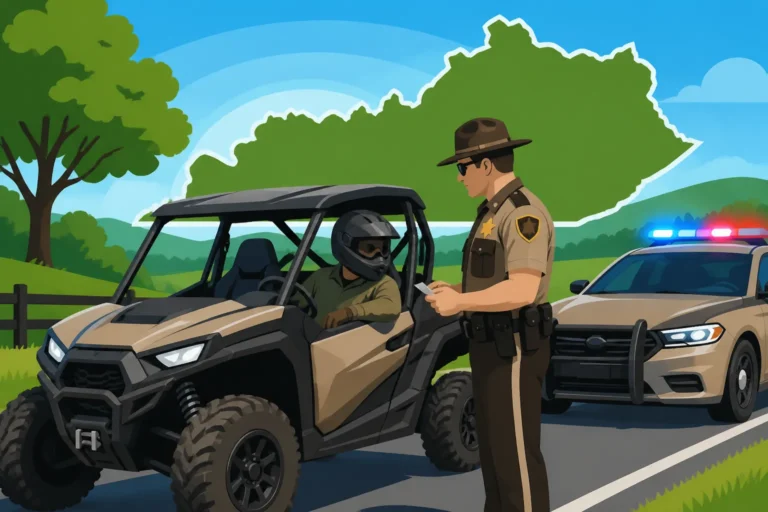
Let's be clear: getting caught speeding on your SPV in a Kentucky city that has capped the limit at 45 mph (or lower) can lead to a range of unpleasant consequences. These aren't just minor inconveniences; they can hit your wallet, your driving record, and even jeopardize your ability to ride your machine legally.
Firstly, you're looking at fines. The amount will vary depending on how fast you were going over the limit and the specific city's penalty schedule, but they can quickly add up. Beyond the immediate fine, you might also incur court costs and other administrative fees. Secondly, a speeding ticket often carries points on your driver's license, which can lead to increased insurance premiums. Remember, even though it's an SPV, the rules of the road are still very much in play, and you usually need [A License for Kentucky Highway Operation] to operate it on public roads.
In more severe cases, or for repeat offenses, you could face more serious charges, especially if your speeding is deemed reckless or contributes to an accident. There's also the risk of your vehicle being impounded, leading to towing and storage fees that will quickly dwarf any speeding fine. And let's not forget the possibility of losing your SPV privileges in that particular municipality, or even statewide if the offense is egregious enough. All of these repercussions are why it's so vital to understand and respect the specific speed limits imposed by [Kentucky Cities That Allow UTVs on Streets] and other SPV-friendly communities. No one wants to spend their riding budget on tickets and impound fees, especially when a little research can prevent it.
Equipping Your SPV for Mixed-Speed Road Use in Kentucky
Riding an SPV legally on Kentucky's varied roads, especially those with specific speed caps, requires more than just knowing the law. It means ensuring your machine is properly equipped for the task. It's a combination of meeting the legal requirements and making smart choices about your gear to enhance safety and compliance, whether you're cruising at 45 mph or just crossing a paved section.
Essential Gear for Legal Road Operation
Before any SPV hits a public road in Kentucky, it absolutely must meet a baseline of equipment requirements. This isn't optional; it's the law. These requirements are in place to make your machine as visible and controllable as possible, akin to a standard vehicle. Here's a rundown of the non-negotiables:
- Headlights and Taillights: Your machine needs at least one headlight and two taillights that are functional and visible at specific distances. Many factory machines have this, but confirm they're working correctly.
- Brake Lights: Essential for signaling your deceleration to vehicles behind you.
- Turn Signals: You need working turn signals on both the front and rear to indicate your intentions, just like a car. This is often an aftermarket add-on for many ATVs and UTVs.
- Mirrors: At least one rearview mirror is typically required, though having dual mirrors (one on each side) provides better visibility and is often a smart upgrade.
- Horn: A functional horn is necessary for signaling other drivers or pedestrians.
- Windshield: While not always required on all ATVs, UTVs often need a windshield. Check the specific nuances of [Kentucky SPV Equipment List] for your machine type.
- Tires: Your tires need adequate tread depth.
- Seatbelts/Roll Cage: If your machine came equipped with them from the factory, they must be functional and used. For UTVs, a roll cage and seatbelts are standard and critical for safety.
These items are designed to bring your off-road machine up to a standard of safety and communication expected on public roads. Many riders turn to aftermarket suppliers like SuperATV for full street-legal kits that bundle many of these components, making the compliance process much smoother than sourcing individual parts.
Choosing Components for Performance and Compliance
Beyond the basic legal requirements, choosing the right components for your SPV can significantly enhance your experience and safety, especially when you're navigating roads with varying speed limits. For example, if you know you'll be riding in cities with a 45 mph cap, you'll want to ensure your tires are suitable for pavement. Aggressive mud tires, while great for the trails, can wear quickly and handle poorly on asphalt, especially at higher speeds. A more all-terrain or even road-specific tire might be a better choice for mixed use.
Brake upgrades are another consideration. While stock brakes are usually adequate for off-road speeds, the demands of stopping an SPV quickly on pavement, particularly if you're frequently in areas where traffic moves faster than your capped speed, might warrant a look at upgraded pads or rotors. Similarly, visibility isn't just about having lights; it's about being seen. Upgrading to brighter LED lights, adding additional marker lights, or even incorporating reflective decals can make a huge difference, especially during dawn, dusk, or in poor weather. A reliable speedometer is also crucial, as you need to accurately monitor your speed to stay within those city-mandated 45 mph caps. Many factory ATVs don't have this standard, so an aftermarket digital display might be a wise investment. Companies like SuperATV offer a wide array of accessories, from full cab enclosures for comfort and protection on the road to heavy-duty suspension components that can handle the transition from rough trails to smooth pavement without compromising ride quality, making them a great resource for riders looking to optimize their SPV for Kentucky's diverse riding environments.
| Factor | Description for Cities with Lower SPV Speed Caps | Importance |
|---|---|---|
| Safety Concerns | More pedestrian traffic, intersections, and varied road users | High |
| Roadway Design | Narrower streets, tighter turns, less forgiving shoulders | High |
| Noise & Emissions | Desire to minimize impact on residential areas and air quality | Moderate |
| Community Feedback | Responses from residents about SPV presence and speed | Moderate |
| Traffic Flow | Integrating slower-moving SPVs with existing vehicle speeds | High |
| Enforcement Capacity | Ease with which local law enforcement can monitor and enforce rules | Low |
Disclaimer
This article is for general informational purposes only and does not constitute professional advice. Laws, prices and regulations vary by location and change over time. Consult a qualified professional for guidance on your specific situation.