How the Manufacturer’s Age Label Became the Law
It's incredibly frustrating when you're trying to do the right thing and ensure your kids are riding safely, only to be met with a maze of rules and recommendations. You see those age labels plastered on ATVs, but how much weight do they really carry? Are they just suggestions, or are they legally binding? In Kentucky, understanding how those manufacturer's age labels transformed from simple advice into actual law is crucial for every parent, rider, and enthusiast. This guide will walk you through the journey of these labels, explaining their origins, how Kentucky adopted them into its statutes, and what that means for you and your family on the trails.
The Foundation: Why Manufacturer Labels Exist
Before any state adopted specific ATV laws, the industry itself recognized the inherent dangers and the need for guidance, especially concerning younger riders. It wasn't just a random number someone pulled out of a hat; these age recommendations were born from extensive research, accident data, and a commitment to rider safety.
The Industry's Self-Regulation Efforts
Back in the day, the ATV market was booming, and with that growth came a natural concern about safety, particularly with children riding machines too powerful or too large for them. The industry, through organizations like the Specialty Vehicle Institute of America (SVIA), stepped up to create voluntary standards. These standards weren't about making ATVs less fun; they were about making them safer by matching the machine's characteristics—like engine size, weight, and top speed—to the cognitive and physical development of riders at different age levels. It was a proactive move to prevent injuries and ensure that consumers had clear information right from the point of sale. These efforts aimed to provide a common baseline for safety across all manufacturers, giving parents a trusted guideline.
For example, a machine designed for a 6-year-old would have significantly different power output, suspension, and ergonomic controls than one meant for a 16-year-old or an adult. This self-regulation was vital in shaping public perception and laying the groundwork for future legislation. [The Manufacturer's Age Label in Kentucky Law] is a direct descendant of these early industry initiatives.
How Age-Specific Design Limits Are Established
So, how do they decide that a certain machine is appropriate for, say, a 10-year-old? It involves a complex interplay of engineering, ergonomics, and safety testing. Manufacturers, often guided by SVIA guidelines, rigorously test their machines. They consider factors such as:
- Engine Displacement: Smaller engines for younger riders to limit speed and acceleration.
- Weight and Size: Machines must be manageable for a child to control, turn, and stop safely.
- Suspension and Handling: Designed to be forgiving for less experienced riders.
- Braking Systems: Easily accessible and effective for smaller hands and less strength.
- Ergonomics: Handlebar reach, seat height, and footrest placement are all tailored to fit a child's body dimensions.
Think of it like car seats for toddlers – there are specific weight and height limits because safety research shows what works best for different developmental stages. The manufacturer's age label on an ATV is very similar; it's a recommendation based on the physical and mental capabilities generally associated with that age group. When a reputable aftermarket company like SuperATV designs accessories, they also consider these underlying safety principles, ensuring their products complement the machine's intended use and rider age range. They're not just arbitrary numbers; they are the result of extensive safety engineering and testing.
Kentucky's Legal Embrace of Age Recommendations
Kentucky, like many states, recognized the value of these manufacturer-developed guidelines. Rather than reinventing the wheel and drafting entirely new age-based machine specifications, the state opted to incorporate the industry's established standards directly into its legal framework. This move simplified enforcement and leveraged years of safety research already performed by ATV manufacturers.
From Guideline to Statute: The Legislative Process
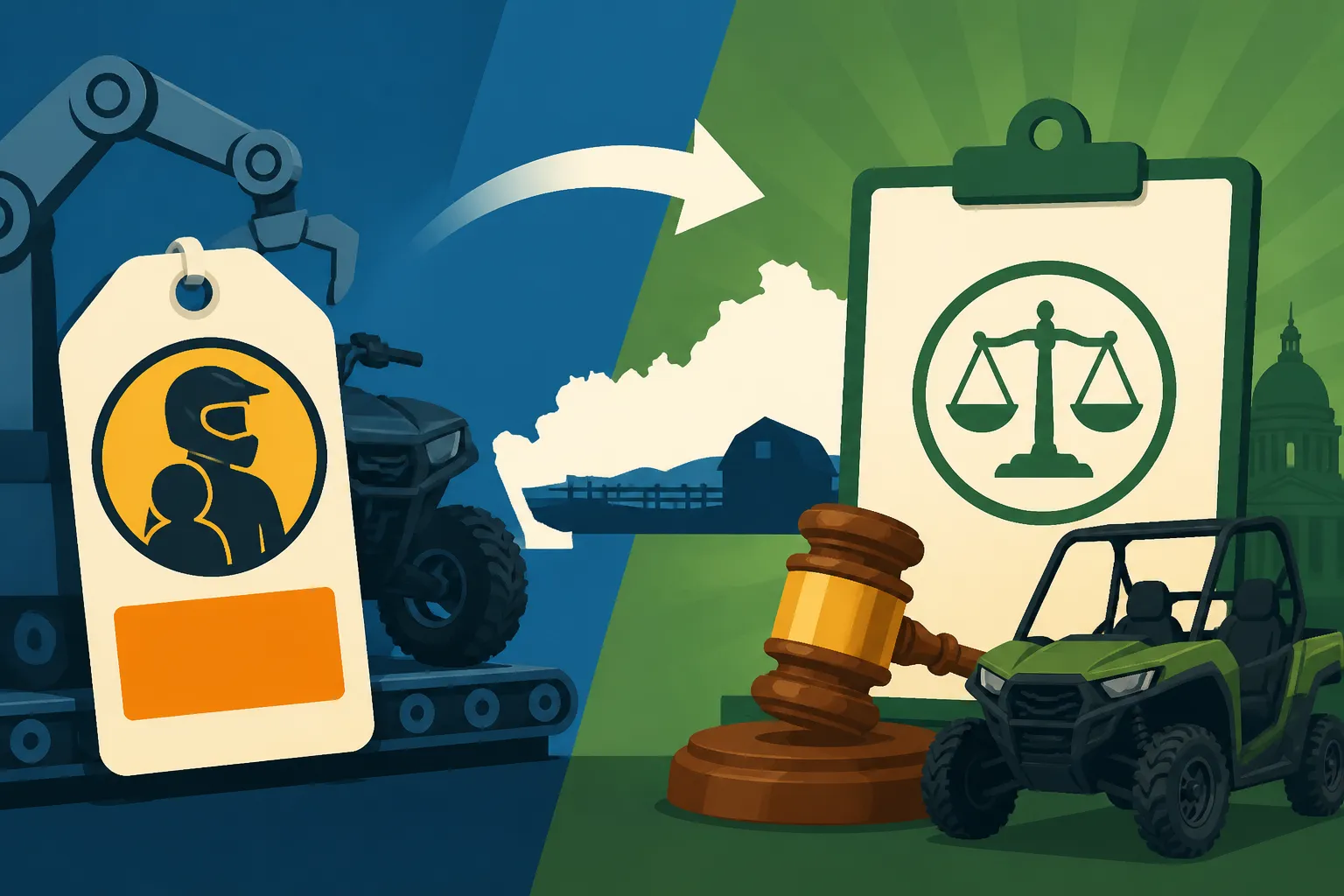
The transformation of a manufacturer's suggested age label into a legally binding rule in Kentucky was a significant step. Lawmakers looked at the data on ATV accidents, particularly those involving minors, and saw a clear correlation between age-appropriate machine use and reduced risk of injury. Instead of defining "youth ATV" by engine size or weight, which could become quickly outdated with new models, the Kentucky legislature chose a pragmatic approach: they enacted legislation that directly references the manufacturer's permanent primary decal or label affixed to the ATV.
This means that if an ATV manufacturer labels a machine "Age 12+," then, in Kentucky, it's illegal for anyone under 12 to operate that specific machine. This approach avoids the need for constant legislative updates as ATV technology evolves. It places the onus directly on the manufacturer to determine the appropriate age, and then Kentucky law simply enforces that determination. It's a clean, efficient way to integrate safety standards. [Why the Statute Points at the Label] helps ensure consistency and clarity for riders and enforcement officers alike.
The Legal Ramifications of Ignoring the Label
Make no mistake: in Kentucky, the manufacturer's age label isn't just a friendly suggestion you can ignore. It is the law. Disregarding these age restrictions can lead to serious legal consequences, not just for the young rider, but more significantly, for the adults responsible for supervising them.
Consider a scenario: a parent purchases a shiny new ATV labeled "Age 16+" for their excited 14-year-old. The parent thinks, "Oh, my kid is mature for their age, they can handle it." One afternoon, the 14-year-old is riding on a county road (where limited ATV use might be permissible under specific circumstances, though generally not on public roads) and gets stopped by law enforcement. The officer checks the ATV's label and the rider's age. This isn't just a slap on the wrist. The adult who allowed the 14-year-old to operate that machine is now in violation of Kentucky statute. This could result in fines and, in cases of an accident, expose the adult to significant civil liability if injuries occur. [Kentucky Fines for Illegal ATV Road Use] are very real and can be substantial. It's about ensuring that young riders are on machines that are physically and developmentally appropriate for them.
Navigating Kentucky's Age-Based Riding Rules
Understanding these laws is paramount for parents. It's not just about avoiding legal trouble; it's about safeguarding children and preventing devastating accidents. The law places a clear burden on adults to ensure compliance.
Parental Responsibility and Youth Riders
For parents, Kentucky's reliance on the manufacturer's age label means you have a critical responsibility. Before you even consider buying or allowing your child to ride an ATV, you must carefully check that label. It’s not enough to estimate if your child "looks big enough." The law is precise. If the label says "Age 10+," then a 9-year-old, no matter how skilled or experienced, cannot legally operate that machine in Kentucky. This applies whether you're on your own private land or at a designated trail park.
This also means that if you're supervising multiple children, you need to be aware of the specific age recommendations for each machine they are riding. It’s a common sight to see kids eager to try out a bigger sibling’s quad, but doing so could put them in legal jeopardy and, more importantly, in physical danger. Think about it: a machine designed for an older teenager might accelerate faster, have stiffer suspension, or be too heavy for a younger child to stop safely in an emergency. [Kentucky Rules for a Rider Under 16] outlines these responsibilities clearly.
| Age Label | Typical Machine Characteristics | Legal Implication in Kentucky |
|---|---|---|
| Age 6+ | Small engine (e.g., 50-70cc), restricted speed, low weight, beginner-friendly controls | Only riders 6 years or older may operate |
| Age 10+ | Medium engine (e.g., 70-90cc), moderate speed, manageable weight | Only riders 10 years or older may operate |
| Age 12+ | Larger youth engine (e.g., 90-125cc), more power, heavier frame | Only riders 12 years or older may operate |
| Age 16+ | Full-size machine, powerful engine (e.g., 200cc+), higher speeds, adult ergonomics | Only riders 16 years or older may operate |
This table provides a general overview; always check the specific label on the machine itself.
Consequences for Sellers and Operators
The legal implications extend beyond parents. If you're selling an ATV in Kentucky, particularly a used one, you have a moral and potentially legal obligation to ensure the buyer is aware of these age restrictions, especially if the machine is clearly intended for youth. While Kentucky law primarily targets the operator and supervisor, knowingly selling a machine to someone who intends to let an underage child operate it could open a seller up to scrutiny, especially if an accident occurs.
For commercial operators, such as rental companies or guided tour providers, adherence to these age labels is even more critical. A rental agency cannot legally rent an ATV labeled "Age 16+" to a 15-year-old, even with parental consent. Their business could face severe penalties, including fines and license suspension, for non-compliance. It's not just about liability; it's about maintaining a reputation for safety and integrity. Many of these companies rely on durable parts from brands like SuperATV to keep their fleet running safely, which underscores the general commitment to robust, age-appropriate equipment. [What a Parent Risks Letting a 6-Year-Old Ride] highlights just how serious these violations can be.
Beyond Age: Other Key Youth ATV Regulations
While the manufacturer's age label forms the backbone of Kentucky's youth ATV regulations, it's not the only rule parents and riders need to know. The state has additional provisions designed to further enhance the safety of young riders, covering everything from supervision to safety equipment.
Supervision and Training Requirements
Kentucky understands that simply being the right age for a machine isn't always enough. Young riders, especially those new to ATVs, need proper guidance and supervision. The law typically mandates that riders under a certain age (often 16) must be under the direct supervision of an adult. "Direct supervision" usually means the adult is visibly present and able to intervene if necessary, not just somewhere on the property. This ensures that an experienced individual can guide the young rider, teach proper techniques, and react swiftly in case of an emergency.
While Kentucky doesn't have a statewide mandatory ATV safety course for all riders, taking a course is highly recommended. These courses teach critical skills like evasive maneuvers, emergency braking, and navigating different terrains, which are invaluable for new riders of any age. Organizations like the SVIA offer recognized safety courses that can dramatically improve a rider's confidence and competence. This proactive training, combined with strict adherence to age labels, creates a much safer riding environment. [Kentucky Supervision Rules for Minors] details the specifics of adult oversight.
Safety Gear and Machine Modifications
Beyond the age label and supervision, proper safety gear is non-negotiable for all ATV riders in Kentucky, especially youth. A helmet is arguably the most important piece of equipment. Kentucky has specific helmet laws that apply to ATV riders, with particular emphasis on those under 16. Wearing a properly fitted, DOT-compliant helmet can prevent severe head injuries in an accident. In addition to a helmet, sturdy eye protection (goggles or a face shield), long sleeves, long pants, gloves, and over-the-ankle boots are strongly recommended to protect against scrapes, abrasions, and impacts.
While the law defers to the manufacturer's age label for machine suitability, this doesn't mean you can't enhance safety with aftermarket additions. Many parents invest in additional safety features from brands like SuperATV, such as upgraded guards, more protective footwells, or even speed restrictors on youth models if they feel their child needs a more gradual introduction to the machine's full capabilities. However, any modification should be done carefully and should not contradict the machine's original safety design or intended age range. [Kentucky Helmet Law for ATV Riders] is an essential read for anyone riding in the state. Remember, even with the safest machine and strict supervision, protective gear is your last line of defense.
Disclaimer
This article is for general informational purposes only and does not constitute professional advice. Laws, prices and regulations vary by location and change over time. Consult a qualified professional for guidance on your specific situation.