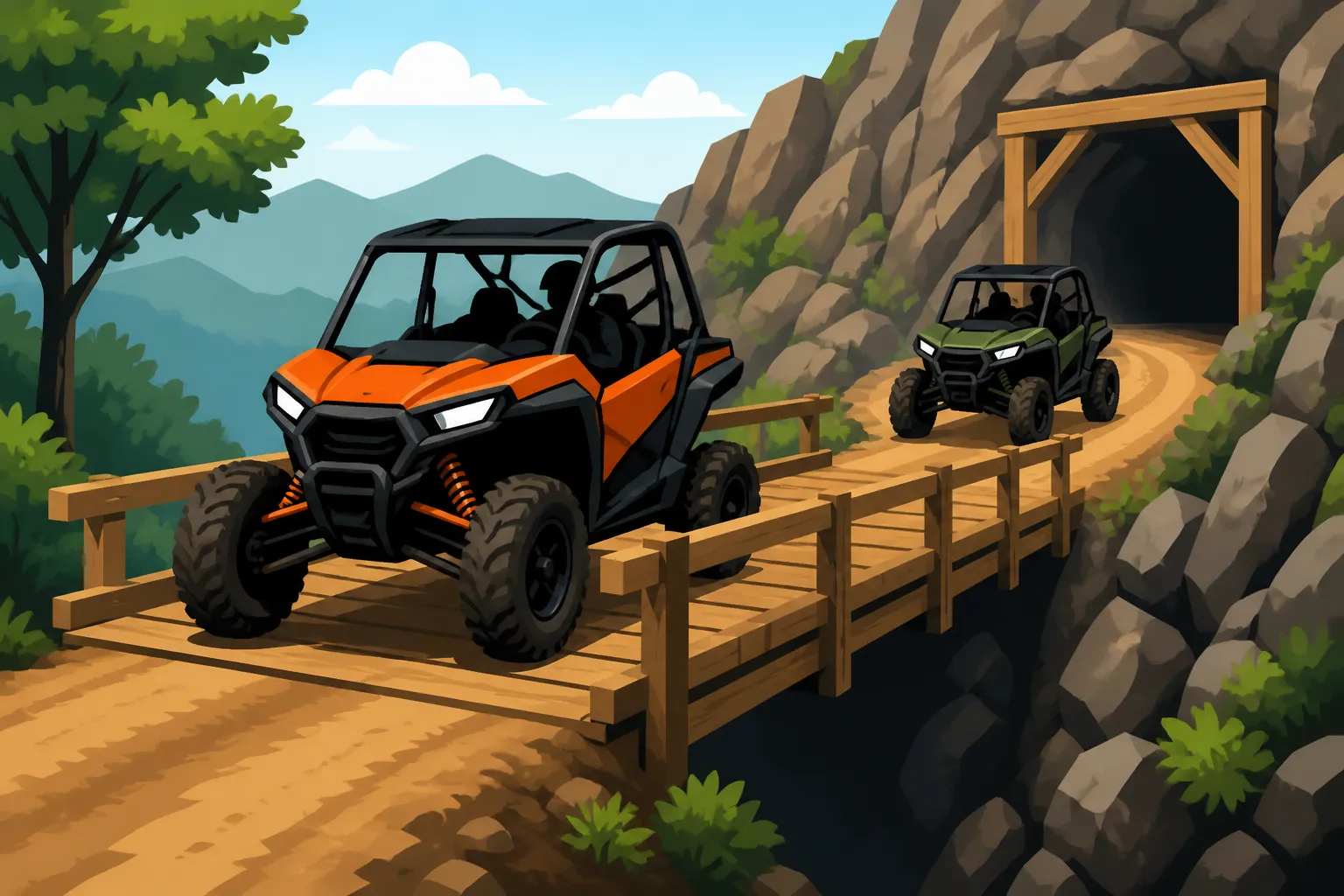
Crossing a One-Lane Bridge on a Mine Road
Venturing deep into Kentucky's coal country on your ATV or UTV can offer some of the most breathtaking and challenging riding experiences imaginable. But let's be real, those old mine roads throw a lot at you, and one of the trickiest obstacles is undoubtedly the one-lane bridge. It's not just about fitting your machine across; it's about safety, right-of-way, and knowing what to do when there's no official guidance. This guide is here to walk you through how to safely and confidently navigate those narrow, often rickety crossings, ensuring your adventure doesn't turn into a headache.
Understanding the Unique Challenges of Kentucky Mine Roads
Riding in Kentucky's coal country is an experience unlike any other. You're not just on designated trails; you're often on a network of old roads carved out for industry, family access, and sometimes, simply convenience. This means you’re dealing with a dynamic, often unpredictable environment, especially when it comes to infrastructure like bridges.
The Landscape of Coal Country: More Than Just Trails
When we talk about mine roads in Kentucky, we're really talking about a sprawling, organic web that has evolved over decades. These aren't your manicured state park trails. Many were originally built to access coal seams, timber tracts, or even just family homes tucked deep in hollers. They might be actively used by logging companies, independent miners, or local residents. This creates a fascinating but complex patchwork where public access isn't always clear, and the condition of the road can change dramatically from one mile to the next. You might be riding on what feels like a well-traveled gravel path one moment, and then suddenly find yourself on a narrow, overgrown track that seems to disappear into the woods. It's essential to remember that while these areas offer incredible riding, they demand a heightened sense of awareness and respect for their history and current use.
The Hazards of Unmaintained Infrastructure
One of the biggest frustrations riders face on these roads is the sheer lack of consistent maintenance. Unlike a county road, mine roads often fall into a kind of legal limbo where no single entity is responsible for their upkeep. This means you'll encounter everything from massive potholes that could swallow a small car to sections washed out by recent rains, leaving deep ruts and eroded banks. Rockfalls are not uncommon, especially after heavy weather, and bridges can be particularly vulnerable. You might find missing planks, rusted support beams, or approaches that have crumbled away, making entry onto the bridge precarious. There's rarely a "Road Closed" sign or any warning system in place; it's up to you, the rider, to scout ahead, assess the situation, and decide if it's safe to proceed. This DIY approach to safety can be daunting, but it's a reality of riding in these rugged parts of Kentucky.
Who You Might Meet on a Mine Road
It's easy to think you'll have these remote roads all to yourself, but that's a dangerous assumption to make, especially on a one-lane bridge. You need to always ride as if there's someone just around the next blind curve. The most imposing vehicles you're likely to encounter are coal trucks and logging trucks. These giants aren't just big; they're heavy, often loaded, and they move with purpose. They might not be expecting a small ATV or UTV, and they certainly can't stop or maneuver like one. Beyond commercial vehicles, you could also encounter local residents in their pickups, other recreational riders, or even hikers. Wildlife, too, is a constant presence. The key takeaway here is visibility and caution. Honk before blind curves, especially as you approach a bridge, and be prepared to yield, especially to anything larger than you are. This isn't just about courtesy; it's about self-preservation.
Navigating One-Lane Bridges: A Step-by-Step Approach
Approaching a one-lane bridge on a mine road isn't something to take lightly. It requires a specific mindset and a careful, methodical approach to ensure your safety and the longevity of your machine.
Pre-Approach: Slow Down and Assess
The moment you spot an upcoming bridge, your first action should be to significantly reduce your speed. This isn't the place for momentum. You need to give yourself ample time to scan the bridge and its immediate surroundings. Look for any signs of other vehicles approaching from the opposite side, listen for engine noise, and keep an eye out for dust clouds. Visually inspect the bridge itself: Are there missing planks? Does it look structurally sound? Are the approaches clear, or are there deep ruts or washouts leading onto the bridge deck? You're essentially doing a quick, on-the-fly engineering inspection. Consider the type of terrain leading up to and away from the bridge – is it muddy, rocky, or steep? Your machine's condition is also key here; make sure your tires are properly inflated and have good tread, and that your suspension, perhaps an aftermarket upgrade from a company like SuperATV, is ready to handle uneven surfaces. Taking a moment to really assess the situation can prevent a much bigger problem.
The "Right of Way" Dilemma on Unmarked Bridges
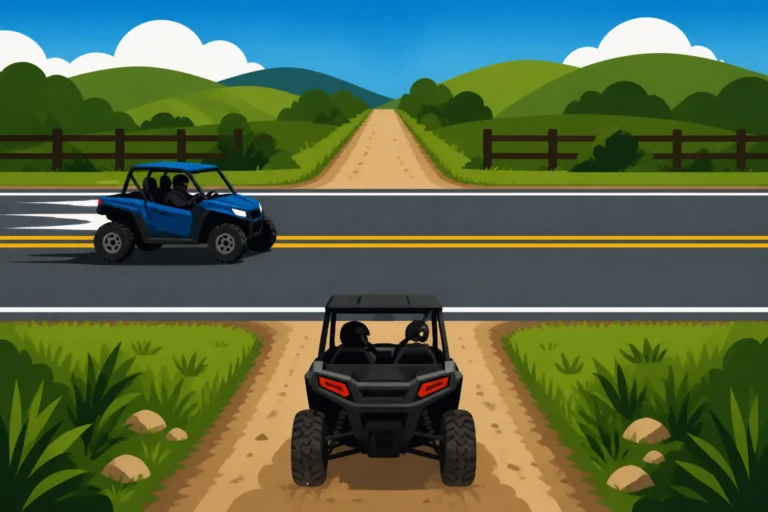
Here's where things get truly "Kentucky." On officially marked roads, there are clear rules for one-lane bridges. On these mine roads, however, those rules often don't exist, or at least, they're not posted. If you meet another vehicle, especially a large truck, at a one-lane bridge, the unwritten rule is almost always that the larger, heavier vehicle has the right of way. They simply have less room to maneuver or back up safely. If it's another ATV or UTV, it becomes a game of courtesy. Who got there first? Who has a better pull-off area on their side? Often, a quick wave or hand signal can solve the dilemma. The critical point is to approach slowly enough that you can stop safely before you're fully committed to the bridge, allowing you to yield if necessary. Never assume you have the right of way; instead, assume you might need to wait, and be prepared to do so. This helps keep everyone safe and keeps tensions low in areas where roads are shared resources. You can read more about [Kentucky Rules for Riding a County Road] as a comparison to these less regulated routes.
Crossing Technique: Smooth and Steady
Once you've assessed the bridge and determined it's clear and safe to cross, the actual crossing itself should be done with smooth, controlled movements. Keep your speed low – a walking pace is often appropriate. Avoid sudden acceleration or braking, as this can destabilize your machine on uneven surfaces or loose planks. Keep your eyes focused far ahead, looking for any potential obstacles or irregularities on the bridge deck. Be mindful of your tire placement, aiming for solid sections of the bridge if there are gaps or weaknesses. On wooden bridges, watch out for moss, mud, or wet spots that can be incredibly slick. If your machine is equipped with heavy-duty components, like an axle from SuperATV, you might feel a bit more confident, but still, respect the limitations of the structure beneath you. Remember, the goal is to get across safely, not quickly. If you have passengers, remind them to remain still and keep their hands and feet inside the vehicle.
Here’s a quick overview of common bridge hazards and how to address them:
| Bridge Hazard | Precaution / Action |
|---|---|
| Missing or Rotten Planks | Slow to a crawl, visually pick a clear path, consider turning back if too many gaps or structural weakness. |
| Loose Gravel/Mud on Deck | Maintain low, steady speed; avoid sudden steering changes; watch for slick spots. |
| Washed-Out Approaches | Inspect depth and stability of ruts/holes; may require careful crawling or even light winch use if severe. |
| Blind Approach (Curves) | Honk several times before reaching the bridge; slow significantly; listen for oncoming traffic. |
| No Clear Right of Way | Be prepared to yield to larger vehicles; use hand signals with other ATVs/UTVs; never force the issue. |
| Rusting/Weak Metal | Prioritize walking across if structure looks compromised; avoid crossing if there's any doubt about integrity. |
| Narrow Width | Position your machine carefully to stay centered; be extra vigilant for side-to-side slippage. |
Legalities, Safety Gear, and What to Do If Things Go Wrong
Riding on mine roads isn't just about technique; it's also about understanding the legal landscape and being prepared for the unexpected. These areas often operate in a legal gray zone that can catch unprepared riders off guard.
Legalities of Riding on Mine Roads in Kentucky
This is a big one. Many, if not most, mine roads and haul roads in Kentucky are privately owned. While they may feel like public access due to their historical use, that's not always the case. Riding on private property without explicit permission is trespassing, and that can lead to fines, your machine being impounded, or even more serious legal trouble. It's crucial to do your homework and try to ascertain ownership or get permission before you ride. Sometimes, land is leased for recreational use, like some of the larger trail systems, but individual mine roads often don't fall under those agreements. This is why understanding [Kentucky Rules for Riding Private Land] is so vital, and it’s a good idea to research [Kentucky Rules for Riding a Mine Haul Road] to know the nuances. The frustration comes from the lack of clear signage; you might innocently ride onto private land without realizing it. Always err on the side of caution, and if in doubt, seek permission or find an alternative route.
Essential Safety Gear and Machine Preparation
When you're out on these remote mine roads, especially dealing with potentially treacherous features like one-lane bridges, being well-prepared isn't optional—it's essential. First and foremost, wear a helmet. Kentucky law has specific requirements, and even where it doesn't, your brain certainly appreciates the protection. Beyond that, consider a robust first-aid kit, a communication device (cell service can be spotty, so a satellite messenger or two-way radio might be wise), and a recovery kit. That kit should definitely include a winch – a heavy-duty one from SuperATV, for instance – along with straps, shackles, and a shovel. A spare tire or at least a tire repair kit is a lifesaver for flats caused by sharp rocks or debris. Before you even leave your staging area, do a thorough pre-ride inspection of your machine: check tire pressure, brakes, lights (especially if you might be out longer than planned), fluid levels, and ensure everything is securely fastened. These roads are unforgiving, and a small mechanical issue can become a huge problem miles from anywhere.
Dealing with Unexpected Situations
Even with the best preparation, things can go sideways. What if you approach a bridge and find it's completely washed out? What if a massive coal truck is already committed to the bridge and there's no room for you to pass or even pull off the road safely? What if your machine breaks down on the bridge? For a washed-out bridge, the answer is simple: turn back. There's no sense risking your life or your machine. If you meet a large vehicle, you must yield. This might mean backing up a significant distance to a wider spot, or carefully pulling as far off the road as safely possible. Having a good set of tires from a brand like SuperATV can help you get more traction if you have to pull into a soft shoulder. If you break down on the bridge, your first priority is safety. Get yourself and any passengers to solid ground if possible. Then, assess the situation. Can you push or winch your machine off the bridge? If not, can you make it visible to others to prevent a collision? Having a strong plan for recovery, including extra fuel, tools, and a way to call for help, is crucial. These roads are remote, and help isn't always around the corner.
Disclaimer
This article is for general informational purposes only and does not constitute professional advice. Laws, prices and regulations vary by location and change over time. Consult a qualified professional for guidance on your specific situation.