Riding Past a Kentucky Town Line
There's nothing quite like hitting the trails or enjoying a leisurely ride on your ATV or UTV, letting the worries of the world fade behind you. But then you see it—a sign, perhaps a change in the road surface, a distinct shift from rural to more developed. Suddenly, you're at the edge of a town, and a familiar question pops into your head: "Can I keep going? Am I still legal here?" This common scenario throws a wrench into many a perfect ride, leaving you unsure if crossing that invisible line means a fine or a friendly wave. This guide is here to untangle the complexities of riding your ATV or UTV near and across Kentucky town lines, helping you understand where you can and can't go without running afoul of the law.
Kentucky's Default Stance on ATVs and Public Roads
Let's get this out of the way upfront: by default, in Kentucky, your ATV or UTV is generally not street legal. This is often a tough pill to swallow for riders who just want to get from one trail section to another, or from their hunting camp to the store in the nearest small town. The state's primary legislation treats these machines as off-highway vehicles, meant for off-road use, private property, or designated trails. It's a source of real frustration for many folks who see roads as simple connectors, especially in rural areas where the nearest gas station might be just a mile down the county blacktop.
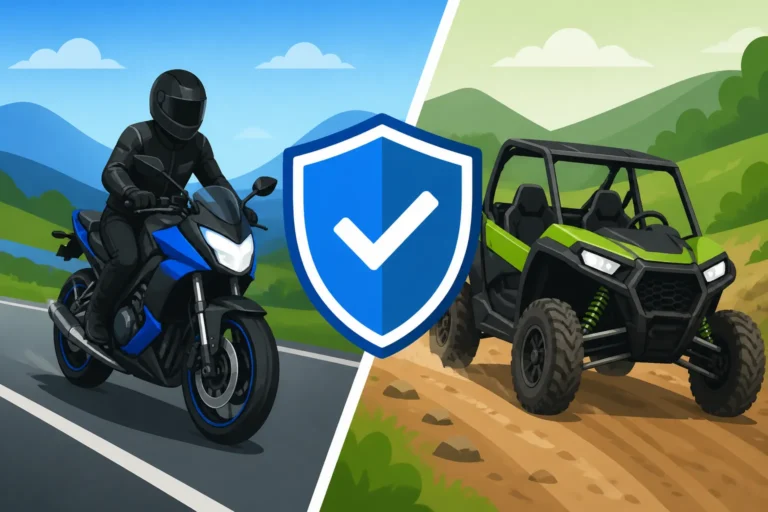
The intent behind this default closure is largely about safety. ATVs and UTVs aren't designed with the same safety features, signaling, or visibility as passenger cars, trucks, or even motorcycles. They often lack turn signals, proper mirrors, or the robust braking systems expected on public roads. This means that if you're out riding and suddenly find yourself on a public road within a town's limits without understanding the rules, you could be risking not only a citation but also your own safety and the safety of others. It’s not about being anti-ATV; it’s about preventing accidents that often have serious consequences due to the nature of these vehicles. Remember, [Why Kentucky Roads Are Closed by Default] explains this baseline rule in more detail.
This default rule applies broadly across the entire Commonwealth, from the winding mountain roads of Eastern Kentucky to the rolling hills of the Bluegrass and the flatlands of the west. There's no blanket permission for ATVs or UTVs to operate on public roads, even those quiet, less-traveled county roads that feel more like private drives. Each county and municipality has the power to either uphold this statewide default or, in specific circumstances, to enact their own ordinances that allow for limited use. But that "limited use" is the critical part, and it's what often causes so much confusion for riders unfamiliar with local distinctions.
The 0.2-Mile Crossing Rule: A Limited Exception
When you're out on the backroads, often you'll encounter a situation where you need to get from one piece of private property to another, or cross a road to access a different section of a trail system. Kentucky law does provide a very specific, very narrow exception for this: the 0.2-mile crossing rule. This isn't a license to cruise down Main Street; it's strictly for crossing a two-lane highway, city street, or county road at a ninety-degree angle to access land or trails on the other side. Think of it as a brief, intentional interruption of your off-road journey, not an extension of it.
The key here is "0.2 mile and not a yard more." This means you can't go down the road for a quarter-mile, or even a few hundred yards to avoid a muddy spot. It's truly meant to be a direct, perpendicular crossing. Riders often get this confused, thinking they have a little wiggle room, but law enforcement typically interprets this rule very strictly. If you're pulled over for riding on the pavement and you try to explain you were "just going a little further," you're likely still looking at a ticket. It's a nuanced rule designed for specific, brief access, not for travel. For more on this, check out [Crossing a Two-Lane at Ninety Degrees in Kentucky].
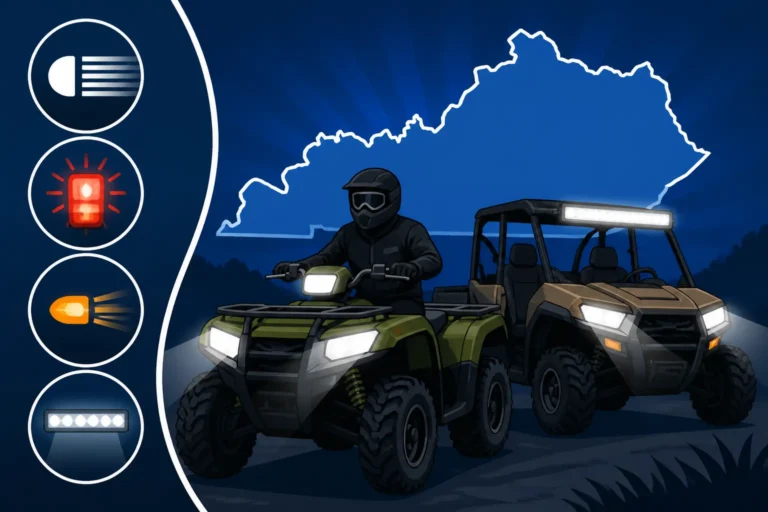
Even when making these short crossings, your machine still needs to meet certain basic safety requirements. While you're not expected to have full street-legal conversion for these brief moments, common sense, and the spirit of safety laws dictate that your machine should be visible. This means functional headlights and taillights, especially if conditions are dim, and ensuring your machine is in good working order. Companies like SuperATV offer a range of lighting solutions and mirrors that, while not making your ATV a road-going vehicle, can certainly improve visibility and awareness for these critical short crossings, adding a layer of safety that can't be overstated. It's always better to be seen than to be a roadside statistic.
Navigating Local Ordinances: When Towns Opt-In
Here's where things get really tricky and where riding past a Kentucky town line becomes a roll of the dice if you're not prepared. While the state defaults to prohibiting ATVs and UTVs on public roads, Kentucky law does allow cities and counties to pass their own ordinances to permit limited operation of "special purpose vehicles" (SPVs) on certain roads within their jurisdiction. This is not a statewide mandate; it's entirely up to each local government. And they don't all choose to do it.
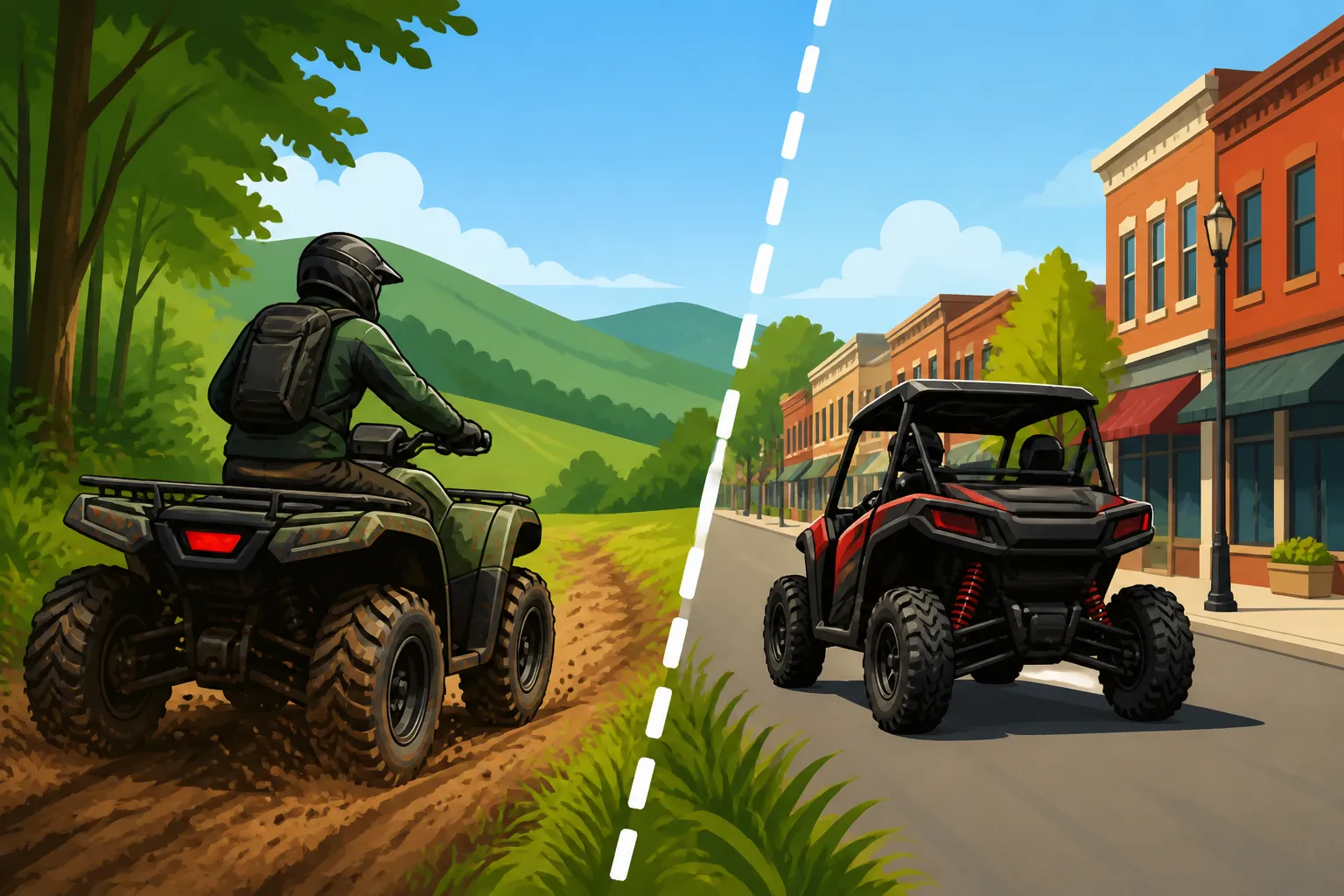
So, you might be riding through one county where UTVs are permitted on certain county roads, and as soon as you cross into the next county, or even just into the city limits of a town within that same county, those rules change abruptly. This lack of uniformity is a massive headache for riders. What's perfectly legal on one side of a town line could land you a hefty fine on the other side. This is why knowing [Kentucky Cities That Opted Into Street Riding] is crucial, but it's an ever-changing landscape that requires diligence from riders.
When a city or county does decide to allow SPVs on its roads, they typically set out very specific conditions. These often include:
- Designated Roads: Not all roads are open; they'll usually specify which ones, often excluding state highways or major thoroughfares.
- Equipment Requirements: Your machine will likely need specific upgrades to be considered an SPV. This usually means turn signals, a horn, a lighted speedometer, dual mirrors, a windshield, and adequate tire tread. Many riders turn to aftermarket suppliers like SuperATV for these types of upgrades, ensuring their machines meet the local standards.
- Registration and Inspection: You'll probably need to get a special SPV registration and pass an inspection.
- Insurance: Motorcycle-level liability insurance is generally a requirement.
- Time of Day/Speed Limits: Often, riding is restricted to daylight hours, and lower speed limits might apply.
The burden is entirely on the rider to know the specific local rules before venturing onto public roads. There's no central database you can just look up to see every town's ordinance. You typically need to check with the county clerk's office, city hall, or the local police department. It's a lot of legwork, but it's the only way to ensure you're compliant. Without this homework, crossing that town line becomes a gamble.
Practical Tips for Riding Near Kentucky Town Lines
Given the complex patchwork of state laws and local ordinances, navigating Kentucky's public roads on your ATV or UTV requires careful planning and a healthy dose of caution. You don't want a great day of riding to end with a ticket or, worse, an accident. Here are some practical tips to keep in mind:
Do Your Homework Before You Ride
Before you even load up your machine, especially if you plan to traverse areas you're unfamiliar with, research the local laws. If you know your route might take you near or across town lines, call the county clerk's office or city hall of the specific municipalities you'll be approaching. Ask pointed questions about ATV/UTV use on public roads, any specific SPV ordinances, and what roads are permitted. Don't rely on old forum posts or hearsay; laws can change. This proactive approach is the single best way to avoid issues. Even if you're riding a machine equipped with upgrades from SuperATV, it won't matter if the local ordinance prohibits ATVs entirely.
Assume Roads Are Closed Unless You Know Otherwise
This is the safest mindset. Unless you have definitive proof—a specific ordinance in hand, direct confirmation from local authorities—assume that any public road, especially within town limits, is off-limits to your ATV or UTV. This prevents accidental violations. Many a rider has been surprised to find a quiet country road suddenly turn into a restricted zone as they pass a small "Welcome to [Town Name]" sign. When in doubt, turn around or find an alternative off-road path.
Equip Your Machine Thoughtfully
Even if your primary riding is off-road, having certain safety features can be beneficial, especially for those legal 0.2-mile crossings. Functional headlights, taillights, and brake lights are non-negotiable for visibility. Adding a horn, even a simple bicycle-style bell, can be helpful for alerting others to your presence. Mirrors, particularly those from reputable manufacturers like SuperATV, significantly improve your situational awareness, allowing you to see traffic before making a crossing. While these won't make an illegal ride legal, they make legal crossings safer.
Know the Consequences
Riding illegally on public roads in Kentucky can lead to significant penalties. Fines vary by jurisdiction but can be substantial, often accompanied by court costs. There's also the risk of your machine being impounded, which means extra fees for towing and storage. Beyond the legal ramifications, there's the danger. An ATV or UTV on a paved road, especially one with higher speed limits or traffic, is at a much higher risk of collision. The lack of standard safety features found in cars means these collisions can be devastating. Understanding [Kentucky Fines for Illegal ATV Road Use] really brings home the importance of compliance.
Consider a Trailer for Road Sections
For longer stretches of public road that are clearly illegal for ATV/UTV use, or if you're simply unsure, the safest and most compliant option is to trailer your machine. Many experienced riders in Kentucky use trailers to move their ATVs and UTVs between trail systems or to bypass town sections where riding is prohibited. This might seem like an inconvenience, but it completely removes the risk of legal trouble and keeps you safe.
Understanding the "Why" Behind the Rules
It’s easy to get frustrated with all these rules, especially when you feel like you’re just trying to enjoy your hobby or get from point A to point B in rural Kentucky. But understanding the "why" can sometimes help. The laws aren't designed to be punitive; they're designed to manage risk. When you're driving a passenger vehicle, you expect certain things from other vehicles on the road – that they’ll have turn signals, brake lights, mirrors, and be able to maintain consistent speeds. ATVs and UTVs, in their stock form, often don't meet these expectations.
Think about a busy intersection or a winding road with blind curves. An ATV, especially one not equipped for road use, might be harder to see, slower to react, and generally more vulnerable. The different handling characteristics on pavement compared to dirt also pose a risk to the rider. So, while it feels like a hurdle, the regulations, both state and local, are essentially trying to balance the freedom of off-road enthusiasts with the safety of everyone sharing the public infrastructure.
The situation with riding past a Kentucky town line isn't simple, and it requires a diligent and informed approach. Do your research, err on the side of caution, and equip your machine for safety even in limited, legal crossings. That way, you can keep enjoying the incredible riding opportunities Kentucky has to offer, without the headache of legal trouble.
Disclaimer
This article is for general informational purposes only and does not constitute professional advice. Laws, prices and regulations vary by location and change over time. Consult a qualified professional for guidance on your specific situation.