Riding a Haul Road in Letcher County
It’s a common scenario in the beautiful, rugged landscape of Eastern Kentucky: you’re cruising along in your ATV or UTV, the mountain air hitting your face, and you spot what looks like a perfect, winding trail snaking off into the woods. It’s wide, graveled, well-maintained, and seems to promise adventure. Often, these tempting paths are haul roads, integral to the region's coal and timber industries, and riding them comes with a very specific set of legal and safety considerations. This guide will help you understand what you need to know before you consider riding a haul road in Letcher County or anywhere else in Kentucky's stunning, but industrially active, backcountry.
Understanding Haul Roads in Kentucky
The term "haul road" conjures images of heavy machinery and industrial activity, and that's precisely what they are. While they might look like inviting trails, their purpose is far more utilitarian, and understanding this distinction is the first crucial step to responsible riding in areas like Letcher County.
What Exactly is a Haul Road?
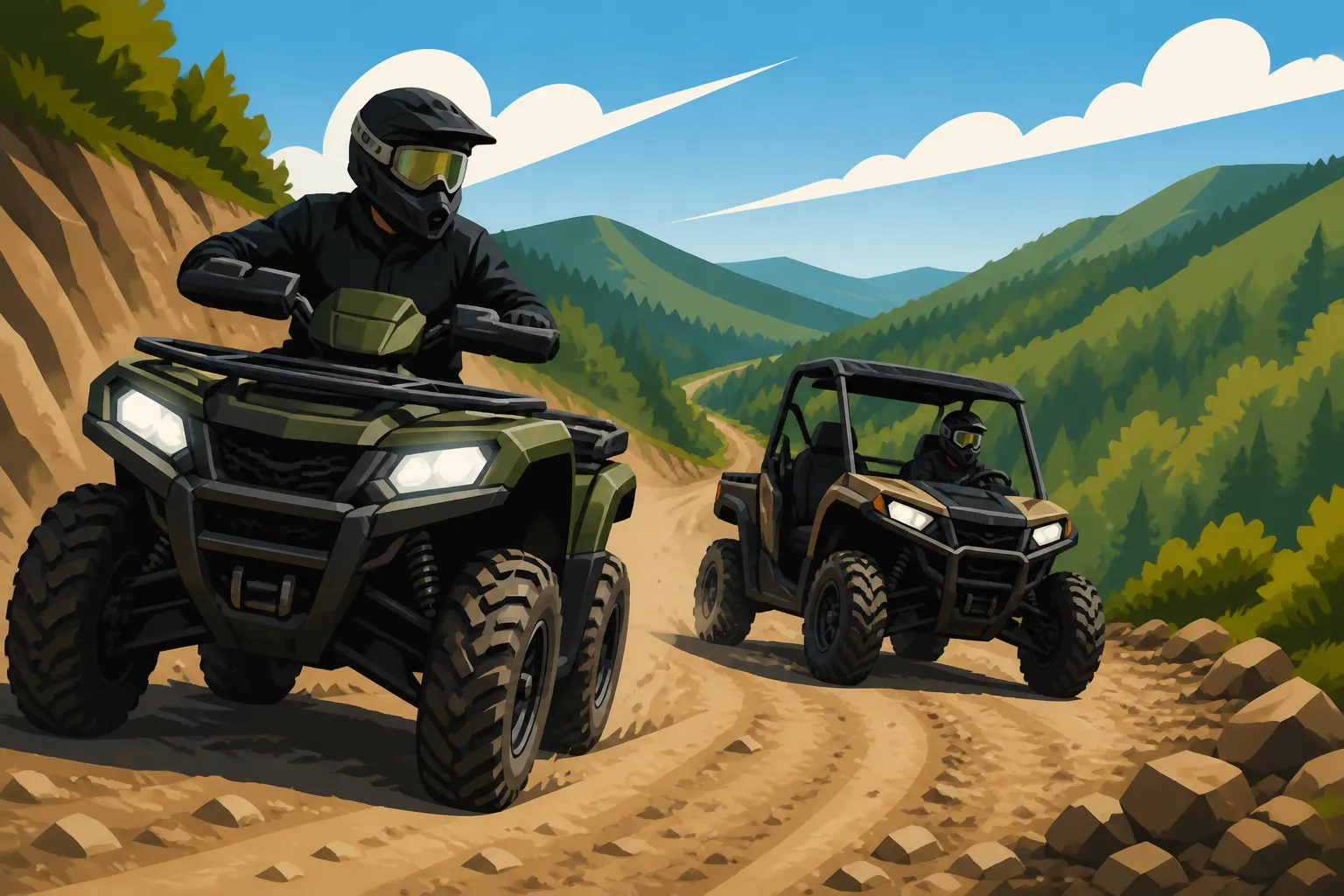
In the context of Eastern Kentucky, a haul road is typically a private road constructed and maintained by a company for the primary purpose of transporting raw materials. Think coal, timber, rock, or other resources. These aren't your typical public county roads. They're built to withstand immense weight and constant traffic from large vehicles like tractor-trailers, coal trucks, and heavy logging equipment. You'll often find them composed of packed dirt and gravel, sometimes with massive culverts and deep ditches running alongside them. They crisscross the mountainous terrain, connecting extraction sites to processing plants or major highways.
The sheer scale of these roads can be deceptive. What appears to be a lovely, winding path through the forest from a distance might, upon closer inspection, reveal itself as a hardened thoroughfare built for vehicles weighing tens of thousands of pounds. There are no speed limits posted for recreational riders, no stop signs for passenger cars, and certainly no thought given to ATV or UTV enjoyment during their construction. Their design prioritizes efficiency and durability for industrial use, not scenic overlooks or leisurely cruises.
These roads are an essential part of the local economy and infrastructure, particularly in counties rich in natural resources like Letcher County. They serve as lifelines for businesses, and the continuous activity on them means they are constantly changing, with new sections being built, old ones being regraded, and heavy vehicles moving at all hours, sometimes even after dark.
Ownership and Access in Letcher County
This is where the rubber truly meets the road, so to speak. Almost without exception, haul roads are private property. They are owned by the coal companies, timber operations, or large private landowners who lease their mineral or timber rights. This isn't public land, and it's certainly not a designated trail system open to the public for recreational riding without explicit permission.
The allure of these roads is understandable. They often connect to vast networks of old logging paths or mining benches, creating a seemingly endless playground. However, accessing them without prior, confirmed permission from the landowner or leaseholder is trespassing. This isn't a minor infraction; it can lead to serious consequences, including fines, the impoundment of your machine, and even legal action. Property owners in these areas are often quite vigilant, and for good reason, given the liability and operational risks involved with unauthorized recreational vehicles mixing with heavy industrial traffic.
Seeking permission for these roads can be a challenge. It's not like getting a permit for a state park. You'd need to identify the specific company or individual who owns the land or controls the access, and then navigate their bureaucracy, if they even have a system in place for granting recreational access. Many companies simply do not allow public access due to safety concerns, insurance liabilities, and the potential disruption to their operations. Always err on the side of caution. If you don't have explicit, preferably written, permission, assume you cannot ride. This is where understanding [Kentucky Landowner Permission Rules] becomes absolutely critical. Ignoring these rules can lead to serious repercussions under [Kentucky Trespass Law and Off-Road Riders].
Navigating the Law for Haul Road Riding
Kentucky's laws regarding ATVs and UTVs are primarily designed for use on public lands, designated trails, or for legally defined "street legal" vehicles. Haul roads, being private and industrial, exist in a grey area that leans heavily towards private property rights.
Private Property vs. Public Roads
The most fundamental legal distinction to grasp when considering a haul road is that it is private property, not a public road. This means that many of the rules you might be familiar with for riding on pavement or even public gravel roads in Kentucky simply don't apply. For example, specific regulations about vehicle registration, licensing, and insurance that apply to [Kentucky Rules for ATVs on Public Roads] are largely irrelevant on private haul roads. However, this doesn't grant you a free pass. Instead, you're now squarely under the purview of private property laws, with trespassing being the primary concern.
On private land, the landowner sets the rules. If they say no, it's no. If you enter without permission, you are breaking the law, regardless of how well-maintained the road is or how harmless your intentions might be. This is a critical point that many riders, eager to explore, often overlook. The absence of a "No Trespassing" sign doesn't automatically mean permission is granted; it's always implied that private land requires explicit consent to enter.
Furthermore, haul roads, even if they occasionally intersect or briefly run parallel to a public right-of-way, maintain their private status. It's not uncommon for these roads to be gated or chained off, precisely to deter unauthorized access and protect the operations being conducted there. Respecting these barriers is not just good etiquette; it's a legal imperative.
The Crucial Role of Landowner Permission
Let’s be absolutely clear: if you plan to ride a haul road in Letcher County or anywhere else in Kentucky, you must have permission from the landowner or the company holding the land lease. And not just a verbal "sure, go ahead" from someone you bumped into at the gas station. Ideally, you want [Written Permission From a Kentucky Landowner]. This could be a formal letter, a signed agreement, or a permit issued by the company. This documentation is your defense if you encounter security, employees, or law enforcement on the property.
Imagine a scenario: You and your buddies are out on a beautiful Saturday morning, ripping down what you thought was an abandoned haul road, only to be stopped by a foreman of a logging crew. Without written proof of permission, you have no legal standing. The foreman is within their rights to demand you leave, and if you refuse, they can contact law enforcement, leading to a much more unpleasant experience. They might even have you on camera entering the property, making your situation even more precarious.
Getting this permission isn't always easy. Larger companies often have strict liability policies and may not grant recreational access at all. For smaller landowners, a personal conversation and a clear understanding of your intentions might suffice, but always get it in writing. This protects both you and the landowner. It also demonstrates that you are a responsible rider, respecting property rights and the rules of the land.
Special Circumstances: Mining and Logging Exemptions
You might be aware of certain helmet exemptions in Kentucky law for those engaged in farming, mining, or logging activities. For example, [Kentucky Helmet Exemption for Mining] allows workers on mining sites to forgo a helmet under specific circumstances. It's crucial to understand that these exemptions apply to individuals performing work related to those industries, not to recreational riders.
A recreational rider on a haul road, even one that runs through a mining or logging operation, does not automatically fall under these exemptions. If, by some chance, a portion of the haul road you are on is considered public access, then standard helmet laws and other ATV regulations would apply to you, regardless of the industrial setting. The spirit of these exemptions is for industrial workers who may need unencumbered movement or communication on a job site, not for weekend warriors out for a thrill.
In fact, riding an ATV or UTV in an active mining or logging area carries inherent risks. You're entering a professional work zone where heavy machinery, blasting, falling trees, and other dangers are commonplace. Companies operating in these environments have strict safety protocols for their employees, and recreational riders are an unplanned variable that poses a significant liability and safety risk to everyone. Relying on an exemption meant for workers to justify your recreational presence on such a road is a misunderstanding of the law and a dangerous assumption of safety. SuperATV makes heavy-duty protection for your machine, but even the best skid plates can't protect you from a fully loaded coal truck.
Safety and Best Practices on Haul Roads
Even with permission, riding on haul roads presents unique hazards that demand a higher level of awareness and preparation than typical trail riding. These aren't purpose-built recreational trails; they are industrial arteries.
Hazards Specific to Haul Roads
The most significant danger on a haul road is the potential encounter with heavy industrial equipment. Picture yourself rounding a blind corner, only to find a fully loaded [Coal Truck on a Narrow Road] bearing down on you. These trucks are massive, often have limited visibility, and cannot stop quickly. They have the right-of-way, always. Logging trucks, bulldozers, excavators, and other heavy machinery are common. Assume that around every bend, and over every rise, there could be a piece of equipment many times your size.
Beyond heavy traffic, the physical conditions of haul roads are often treacherous. They are built for durability, not comfort or predictability. You might encounter:
- Loose rock and deep gravel: This can cause loss of traction and make steering unpredictable, especially on descents.
- Steep grades: Haul roads often climb and descend very aggressively to navigate the mountainous terrain. These can be challenging for even experienced riders.
- Washouts and erosion: Heavy rains can quickly degrade sections of the road, creating deep ruts, gullies, and unexpected drops.
- Unmarked obstacles: Large rocks, fallen trees, discarded equipment, or even sections of old track can be hidden by dust or overgrown vegetation.
- Dust: In dry conditions, industrial traffic creates immense dust clouds, severely limiting visibility for everyone.
Finally, these areas are often remote. Cell phone service can be spotty or non-existent in the hollers and deep valleys of Letcher County. If you have an accident or a breakdown, calling for help might be impossible, leaving you stranded far from assistance.
Essential Gear and Preparation
Given the extreme conditions and potential hazards, riding on a haul road requires meticulous preparation and the right gear. Your personal protective equipment (PPE) should be top-notch:
- Helmet and Goggles: A DOT-approved helmet is non-negotiable, providing critical head protection. Goggles are essential for keeping dust, debris, and glare out of your eyes.
- Gloves, Boots, and Clothing: Sturdy, full-finger gloves, over-the-ankle boots, and long sleeves and pants (preferably abrasion-resistant material) will protect you from scrapes, impacts, and environmental elements.
- Communication: Don't rely solely on your cell phone. Consider a satellite messenger or a two-way radio if riding in a group. Let someone not on the ride know your planned route and expected return time.
- First-Aid Kit: A comprehensive kit capable of handling trauma, cuts, and scrapes is vital.
- Tools and Repair Kit: A basic tool kit, tire repair kit, and portable air compressor can get you out of many common mechanical jams.
- Extra Fuel and Water: These roads are long, and fuel stops are nonexistent. Always carry more fuel than you think you'll need. Hydration is crucial, especially during warmer months.
- GPS/Maps: Digital and physical maps of the area are invaluable, as trail markers are non-existent.
- High-Visibility Clothing: Bright colors make you more noticeable to industrial traffic, which could be the difference between a close call and a collision. Using aftermarket lights or even a horn from SuperATV can also greatly enhance your visibility and ability to warn others of your presence.
Riding Etiquette and Situational Awareness
When riding on a haul road, your mindset needs to be one of extreme caution and respect for the environment and its primary users.
- Yield to All Industrial Traffic: This is the golden rule. Heavy equipment always has the right-of-way. Pull over, get out of their way, and let them pass safely. Do not try to challenge them or assume they see you.
- Ride Slow and Predictably: Keep your speed down, especially around blind corners, crests of hills, and in dusty conditions. Avoid sudden movements or erratic driving.
- Make Noise: If you're on a stock machine, your engine noise might be your best warning system for oncoming traffic. A loud horn is a smart addition.
- Ride with a Buddy: Never ride alone on remote haul roads. A riding partner can provide assistance in case of an accident, breakdown, or medical emergency.
- Let Others Know Your Plan: Inform a trusted person not on your ride about your route, where you expect to be, and when you plan to return.
- Avoid Night Riding: Unless absolutely necessary and with proper, powerful lighting (like SuperATV light bars), avoid riding haul roads after dark. Visibility drops dramatically, and industrial traffic may still be active. This is especially important for safety as [Kentucky Rules for Riding After Dark] generally apply stricter requirements for lighting and visibility.
Community and Environmental Considerations
Riding on haul roads isn't just about personal safety and legal permission; it's also about being a responsible member of the riding community and a good steward of Kentucky's natural resources and local communities.
Minimizing Your Impact
The "Leave No Trace" principles are paramount when riding in any natural setting, and haul roads are no exception. These roads, while man-made, traverse through sensitive ecosystems, and irresponsible riding can cause significant damage.
- Pack It In, Pack It Out: Absolutely everything you bring onto the road, from snack wrappers to empty water bottles, must leave with you. Do not litter. Respecting the cleanliness of these areas helps maintain a positive image for all riders.
- Stay on Designated Paths: Haul roads are already established disturbances. Do not create new trails, cut through switchbacks, or ride off into the surrounding woods unless you have explicit permission to do so. Going off-road can damage sensitive vegetation, cause erosion, and disturb wildlife.
- Respect Wildlife: You're sharing the landscape with deer, elk, bear, and countless smaller creatures. Give them space and do not harass them.
- Avoid Waterways: Do not ride through creeks, streams, or wetlands. This can degrade water quality, disturb aquatic life, and contribute to erosion. If you must cross a shallow creek on an established crossing, do so with minimal disruption.
The health of the environment, especially in areas like Letcher County that are so rich in natural beauty, impacts everyone. Thoughtless actions by a few riders can lead to stricter regulations, less access, and a negative perception of the entire riding community.
Respecting Local Communities and Workers
Haul roads are not in a vacuum. They are often near homes, farms, and active industrial operations. Your actions reflect not just on you, but on all ATV and UTV riders.
- Minimize Noise: ATVs and UTVs can be loud. Be mindful of noise levels, especially when passing by residences or active work sites. Avoid excessive revving or aftermarket exhausts that significantly increase noise pollution.
- Do Not Interfere with Operations: Industrial operations rely on these roads for their livelihood. Do not block access, slow down traffic, or otherwise impede the work being done. Remember, you are a guest, if even permitted, in their workplace.
- Be Mindful of Perception: In communities like those in Letcher County, the relationship between residents, industry, and outdoor recreation can be complex. Be a good ambassador for the sport. A friendly wave, a polite interaction, and responsible behavior can go a long way in fostering goodwill. Areas such as [Riding a Holler Road in Perry County] or [Riding a Strip Mine Bench in Harlan County] exemplify how deeply interwoven these roads are with local life. Encountering a [Meeting a Coal Truck on a Narrow Road] highlights the real-world interactions you might have.
Alternative Riding Options
If navigating the complexities of permission, safety, and etiquette on haul roads seems daunting, remember that Kentucky offers fantastic, legal, and purpose-built alternatives for ATV and UTV riding. These managed trail systems provide a safer, more predictable, and often more enjoyable experience.
Consider visiting established trail parks:
- [Black Mountain Off-Road Adventure Area in Kentucky]: Located in Harlan County, this park boasts over 150 miles of trails, ranging from easy to extreme. It's a premier riding destination with well-marked trails, amenities, and permits that ensure legal access.
- [Leatherwood Off-Road Park in Kentucky]: Offering thousands of acres and hundreds of miles of trails across multiple counties, Leatherwood is another excellent option with varied terrain and a strong commitment to rider safety.
- [Rush Off-Road in Eastern Kentucky]: Near Ashland, Rush provides extensive trail networks suitable for various skill levels, often on reclaimed mine land, offering a unique riding experience.
These parks typically require a permit, but that permit grants you clear, legal access to a network of trails designed for recreational use. They often have emergency services, maps, and facilities like staging areas and restrooms. While haul roads might offer a sense of raw, untamed adventure, the peace of mind and safety offered by these dedicated parks are often well worth the permit fee. Plus, your machine will have clear legal standing, as long as you have your [Kentucky ATV Title Paperwork] in order.
Here’s a quick comparison:
| Feature | Private Haul Road (with permission) | Designated Trail Park (e.g., Black Mountain) |
|---|---|---|
| Ownership/Access | Private property; requires explicit, often written, permission | Public/private entity; requires permit for legal access |
| Primary Purpose | Industrial (coal, timber, etc.) | Recreational riding |
| Traffic | Heavy industrial equipment (trucks, dozers); unpredictable | Recreational ATVs/UTVs; occasional park vehicles |
| Road Condition | Variable; often rough, loose, steep, subject to washouts | Maintained, marked trails; difficulty ratings |
| Safety Concerns | Collisions with heavy equipment, remote location, no cell | Trail hazards, but generally safer; emergency services |
| Amenities | None | Maps, restrooms, staging areas, sometimes camping/lodging |
| Legal Status of Riding | Conditional on permission; trespass if no permission | Legal and permitted with valid pass |
| Environmental Impact | High risk of impact if not careful | Managed to minimize impact; "Leave No Trace" encouraged |
Disclaimer
This article is for general informational purposes only and does not constitute professional advice. Laws, prices and regulations vary by location and change over time. Consult a qualified professional for guidance on your specific situation.