Kentucky Rules for Riding a Rail Trail
It's a common misconception among ATV and UTV enthusiasts that Kentucky's beautiful rail trails, designed for scenic enjoyment and peaceful recreation, might be open for motorized vehicle use. Many riders, eager to explore new terrain, often wonder if their machine can legally hit these paths, which often leads to confusion and potential legal trouble. This guide will meticulously unpack the specific rules and regulations governing off-road vehicle use on Kentucky's rail trails, helping you understand where you can and cannot ride, avoiding frustrating fines and ensuring you enjoy the trails legally and safely.
The General Rule: Rail Trails Are Not for Motorized Vehicles
Let's get right to the heart of the matter: as a general rule, Kentucky's rail trails are simply not designed or permitted for ATVs and UTVs. This can be a tough pill to swallow for riders who see an open path stretching for miles, imagining it as another adventure waiting to happen. However, the intent behind these trails is fundamentally different from that of designated off-road parks or private riding land.
Why Rail Trails Exist and Their Original Intent
Rail trails are incredible community assets, typically converted from old, abandoned railway lines into multi-use paths. Think about it: once upon a time, these were noisy, industrial corridors, but now they've been transformed into serene greenways. Their primary purpose is to provide safe, accessible spaces for activities that are quiet, non-motorized, and environmentally low-impact. This almost always means walking, jogging, cycling, and sometimes even horseback riding, depending on the specific trail's design and local regulations. The magic of a rail trail lies in its peaceful atmosphere, the chance to connect with nature, and the shared experience of low-speed recreation. Introducing motorized vehicles fundamentally changes that character, creating noise, dust, and safety hazards that go against the very grain of their existence. The tranquility that makes a rail trail special for a leisurely stroll or a family bike ride would be instantly shattered by the rumble and roar of an engine.
Kentucky's Specific Stance on Motorized Access
Kentucky, much like most other states, has a clear stance on this: motorized vehicles, including ATVs and UTVs, are generally prohibited on its designated rail trails. This isn't some obscure, hidden rule; it's a foundational principle for these types of recreational pathways. These trails are often managed by state parks, local governments, or specific trail organizations, and their rules are crafted to protect the integrity of the trail surface, preserve the natural surroundings, and ensure the safety and enjoyment of all users. When you see "multi-use trail," it's easy to assume that means all uses, but in the context of rail trails, "multi-use" refers specifically to multiple non-motorized uses. It's crucial not to confuse these peaceful pathways with the adrenaline-fueled trails found in dedicated off-road parks. While you might be able to find exceptional aftermarket parts from a company like SuperATV that would optimize your machine for rugged terrain, those parts are intended for genuine off-road environments, not for gentle rail trails.
Understanding the "Multi-Use" Definition for Rail Trails
The term "multi-use" can be a real source of confusion, leading some ATV and UTV riders to believe that these trails are fair game. However, when applied to rail trails, it has a very specific meaning that rarely, if ever, includes motorized vehicles.
Pedestrians, Bicycles, and Horses: The Usual Suspects
When trail managers describe a rail trail as "multi-use," they're typically referring to activities such as walking, running, hiking, and cycling. On some trails, particularly in more rural areas, you might also find equestrian use permitted, allowing horseback riders to enjoy the path. These activities share a common thread: they are human-powered or animal-powered, requiring physical exertion and promoting a slower, more contemplative pace. The very design of these trails, often with gentle grades and compacted surfaces, caters to these types of users. Imagine a family with young children on bikes, or a couple enjoying a quiet evening stroll; their experience would be completely disrupted, and their safety jeopardized, by the sudden appearance of an ATV or UTV. The peaceful hum of nature or the gentle crunch of gravel underfoot is part of the appeal, a stark contrast to the mechanical sounds of an engine.
Exceptions and Designated Areas (If Any)
It's extremely rare to find a rail trail in Kentucky, or anywhere else, that permits public ATV or UTV use. If there are any exceptions, they would be incredibly specific, clearly marked, and usually limited to authorized personnel for maintenance, emergency access, or perhaps very short, designated crossings where the rail trail intersects with an authorized off-road route. These are not open invitations for recreational riding. It’s absolutely vital not to assume that a lack of signage prohibiting ATVs means they are allowed. The default for rail trails is non-motorized. Always look for explicit signage permitting motorized use, and if it's not there, assume it's prohibited. Sometimes, a rail trail might run adjacent to, or even briefly through, an area that does allow ATVs, such as a state forest or a specific OHV park. This proximity can lead to confusion, making riders think the rail trail itself is part of the motorized network. However, these are distinct areas, and crossing from one into the other without proper authorization will still put you in violation of the rules. For example, while you might find fantastic off-road gear from SuperATV that helps you tackle challenging terrain, that gear is for the purpose-built trails, not for sensitive rail trail surfaces.
The Consequences of Riding an ATV/UTV on a Kentucky Rail Trail
Ignoring the rules and taking your ATV or UTV onto a Kentucky rail trail can have a variety of unpleasant consequences, far beyond just being asked to leave. It's not just about a technical violation; it's about respecting shared public spaces and ensuring everyone's safety.
Fines, Citations, and Vehicle Impoundment
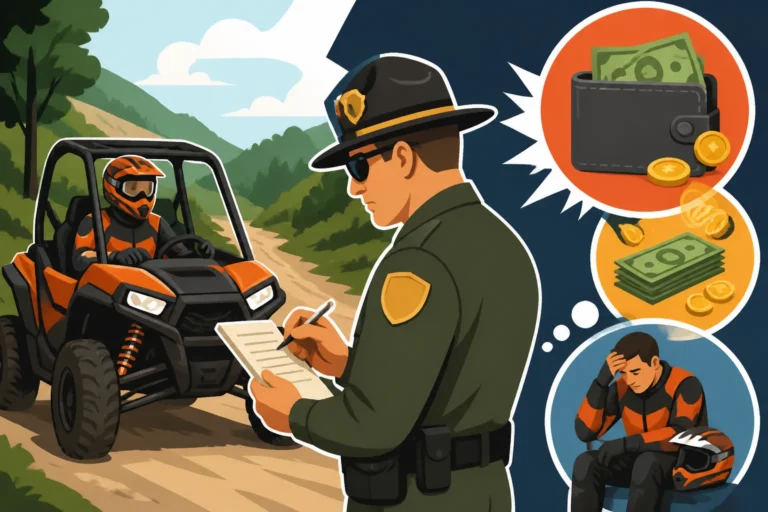
Operating an ATV or UTV on a prohibited rail trail in Kentucky is no minor infraction. You could face significant fines for illegal operation of a motorized vehicle, trespass, or violating park regulations. Law enforcement officers, whether local police, county sheriffs, or park rangers, have the authority to issue citations that can quickly add up, turning what you thought would be a quick ride into an expensive mistake. In more serious or repeat instances, your machine could even be impounded, leading to additional towing and storage fees on top of your fines. Imagine having to explain why your prized machine is sitting in an impound lot, all because you took a shortcut down a path meant for bicycles. This kind of situation underscores why it's so important to understand [Kentucky Fines for Illegal ATV Road Use] and where those rules apply.
Damage to Trails and Environmental Impact
ATVs and UTVs, especially when driven on surfaces not designed to withstand their weight and tire patterns, can cause significant damage to rail trails. The compacted gravel or crushed stone surfaces, while sturdy for foot traffic and bicycles, can quickly erode under the torque and weight of off-road tires, particularly after rain. This leads to ruts, washouts, and increased maintenance costs for the organizations responsible for keeping these trails in good condition. Beyond the physical damage, there's the environmental impact. Noise pollution from engines disturbs wildlife and detracts from the quiet enjoyment of other trail users. Exhaust fumes can impact air quality in these generally pristine areas. The intent of these greenways is to provide a gentle interface with nature, and motorized vehicles disrupt that delicate balance, often leading to complaints from conservation groups and local residents who value the trails' ecological integrity.
Safety Concerns for Other Trail Users
Perhaps the most critical consequence of unauthorized ATV/UTV use on rail trails is the danger it poses to other users. Rail trails are frequented by people of all ages and abilities, including children, families, and individuals seeking a safe, quiet place for recreation. The speed, weight, and sometimes unpredictable nature of an ATV or UTV are simply incompatible with pedestrians, cyclists, and horseback riders. The difference in speed alone creates a high risk of collisions, which could result in serious injuries or even fatalities. These trails lack the sight lines, warning signs, and protective barriers necessary to safely accommodate both motorized and non-motorized traffic. The joy of a peaceful walk or a relaxing bike ride is instantly overshadowed by fear and anxiety when an ATV or UTV unexpectedly comes roaring down the path.
Where You Can Ride Your ATV/UTV in Kentucky
So, if rail trails are off-limits, where can you legally and safely enjoy your ATV or UTV in Kentucky? The good news is, Kentucky boasts a fantastic array of options specifically designed for off-road enthusiasts.
Designated Off-Road Parks and Trail Systems
Kentucky is home to some truly outstanding designated off-road parks and trail systems that cater specifically to ATVs and UTVs. These are the places built for the kind of riding you're eager to do! These parks offer miles of diverse terrain, from challenging rock climbs to thrilling mud pits and winding forest trails, all designed with motorized vehicles in mind. They manage the environmental impact, provide safety guidelines, and offer proper facilities. Here are a few examples of where the real adventure awaits:
- [Black Mountain Off-Road Adventure Area in Kentucky]: Located in Harlan County, this sprawling park offers over 150 miles of trails, ranging from easy scenic routes to extreme rock crawling. It's a premier destination that embraces the off-road lifestyle.
- [Leatherwood Off-Road Park in Kentucky]: Another fantastic option, Leatherwood provides vast acreage and hundreds of miles of trails across multiple counties, often on former coal lands. It's designed for riders seeking rugged, authentic mountain experiences.
- [Turkey Bay OHV Area in Western Kentucky]: Situated within the Land Between the Lakes National Recreation Area, Turkey Bay offers around 100 miles of trails with a mix of woods, hills, and open areas, providing a different kind of challenge from the eastern mountain parks.
- [Rush Off-Road in Eastern Kentucky]: With thousands of acres, Rush is a massive park offering an extensive network of trails for all skill levels. It's a popular spot for groups and families, providing diverse riding conditions.
These parks are not only legal, but they also often have amenities like camping, restrooms, and sometimes even repair shops. They're where you can really push your machine to its limits and appreciate the engineering that goes into performance parts from companies like SuperATV, knowing you're on terrain meant for exactly that kind of challenge. Remember, these parks typically require permits, so be sure to check [Kentucky Fines for No Trail Permit] and [Kentucky Fines for Riding a Closed Trail] to understand the importance of proper authorization.
Private Land with Permission
Another excellent option for riding your ATV or UTV in Kentucky is on private land, provided you have explicit permission from the landowner. This is a common practice, especially in rural areas where friends, family, or neighbors might own acreage suitable for off-road enjoyment. Always remember that "private land" doesn't automatically mean "open to anyone." You must secure clear, undeniable permission before you ever set a tire on someone else's property. This not only keeps you legal but also builds good relationships within the community. Ignoring this can lead to severe trespass charges. It’s imperative to understand [Kentucky Landowner Permission Rules] and always get permission in writing if possible, outlining the scope of your riding activities. Respecting private property is fundamental to responsible off-roading.
Limited Road Crossings (with strict caveats)
While you absolutely cannot use your ATV or UTV as a general mode of transportation on public roads or rail trails in Kentucky, there are very specific and narrow allowances for road crossings. These are not about riding on the road but quickly and safely getting from one legal riding area to another. For instance, you might be permitted to cross a public road at a 90-degree angle to access another section of private land or a designated trail, but only for a very short distance, typically 0.2 miles or less. Even then, strict conditions apply, such as daylight-only operation and yielding to all vehicular traffic. These rules are distinct from those governing street-legal Special Purpose Vehicles (SPVs) which have a completely different set of requirements, including registration, insurance, and specific equipment. So, if you're thinking about [Are ATVs Street Legal in Kentucky?], that's a different discussion entirely, and those rules still wouldn't apply to rail trails. For standard ATVs, always refer to the specific statutes regarding [Kentucky Rules for Crossing a Highway] and [Kentucky Rules for Riding a County Road] to ensure you're in compliance. These are very limited exceptions, not a green light for road use.
Kentucky Trail Use Comparison
To summarize the differences between recreational areas, here's a quick guide:
| Feature | Rail Trails | Designated OHV Parks / Private Land (with permission) | Public Roads (Standard ATV/UTV) |
|---|---|---|---|
| Primary Use | Non-motorized recreation (walking, cycling, etc.) | Motorized off-road recreation | Vehicular travel (cars, trucks, etc.) |
| Allowed Vehicles | Pedestrians, Bicycles, sometimes Horses | ATVs, UTVs, Dirt Bikes, Jeeps, etc. | Licensed road vehicles only |
| Motorized Access | Generally Prohibited | Explicitly Permitted (with permits/permission) | Generally Prohibited |
| Typical Surface | Compacted gravel, crushed stone, pavement | Natural terrain, dirt, mud, rocks, varying grades | Paved asphalt, concrete |
| Safety Concerns | Collisions with high-speed motorized vehicles | Riding skill, terrain hazards, vehicle interaction | High-speed traffic, collisions |
| Permits Required | No | Yes (for parks) | No (but vehicle registration for SPV) |
| Environmental Focus | Preservation, quiet enjoyment | Managed impact, designated trails | Infrastructure, traffic flow |
| Typical Law Enforcement | Park Rangers, Local Police | Park Staff, Local Police, State Troopers | Local Police, State Troopers |
This table clearly illustrates the divergent purposes and regulations for each type of land. Choosing the right place to ride your ATV or UTV is not just about avoiding fines; it's about respecting the land, ensuring your safety, and preserving these valuable recreational resources for everyone.
Disclaimer
This article is for general informational purposes only and does not constitute professional advice. Laws, prices and regulations vary by location and change over time. Consult a qualified professional for guidance on your specific situation.