Kentucky Rules for Riding a Creek Bed
The lure of a cool creek on a hot Kentucky day is undeniable, especially when you're on your ATV or UTV. The thought of splashing through shallow water, navigating rocky bottoms, and exploring untouched natural beauty can be incredibly appealing. However, this dream scenario often collides with a complicated reality: the legalities and environmental impact of riding in creek beds in Kentucky are far from straightforward, and getting it wrong can lead to tickets, fines, or worse. This comprehensive guide will untangle the rules, explain the risks, and help you understand when and where it's truly permissible to have water interact with your wheels in the Bluegrass State.
The Allure and the Albatross of Creek Bed Riding
There's a certain freedom that comes with off-roading, a sense of adventure as you leave the pavement behind and delve into nature. For many ATV and UTV enthusiasts, a creek bed represents the ultimate natural trail. It's often shaded, offering a welcome respite from the summer sun, and the unique terrain—cobblestones, sand, small rapids—presents a different kind of challenge than a typical dirt trail. You might picture yourself cooling off, navigating gentle currents, and discovering secluded spots that few others reach. This vision of pristine exploration is a powerful draw.
The Temptation of the Waterway
Beyond the aesthetic appeal, riding in creek beds offers a distinct riding experience. The traction changes constantly, from slick rocks to soft sand, demanding a different skill set from the rider. The sound of water rushing past your tires, the spray, and the cool air can be incredibly exhilarating. For some, it feels like the purest form of off-roading, stripping away man-made trails and letting nature guide the path. It also often seems like a shortcut, a way to connect two points without hitting a public road, or simply a way to explore more deeply into the wild Kentucky landscape. Many riders have fond memories of growing up riding in local creeks, and that tradition carries a strong pull.
The Realities: Hidden Dangers and Damages
Beneath the appealing surface, however, lies a complex web of environmental concerns and safety hazards. Riding directly in a creek bed, especially smaller streams, can cause significant erosion, disturbing the natural flow of water and destabilizing banks. This erosion impacts water quality, stirring up sediment that can harm aquatic life. Think about how a single machine can churn up silt; now imagine dozens of riders doing it. The delicate ecosystems in these waterways, home to fish, insects, and other creatures, are easily disrupted, sometimes irreversibly. Furthermore, fluids from your ATV or UTV—oil, gas, hydraulic fluid—can leak into the water, causing pollution. These aren't just minor concerns; they have long-term effects on Kentucky's natural resources.
The Legal Landscape: What Kentucky Law Says About Creek Beds
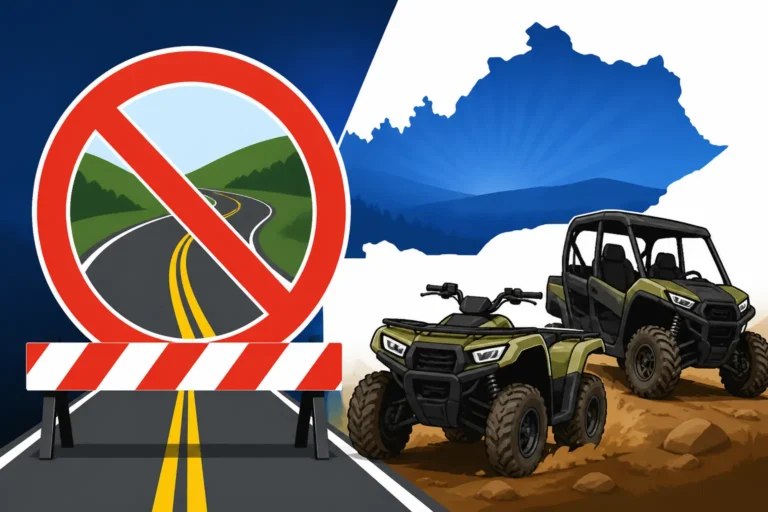
This is where the rubber meets the river, so to speak, and it's often a murky area. Many riders assume that if water is present, it's public domain. Unfortunately, that's rarely the case, especially in Kentucky. The core issue revolves around property rights and environmental protection, making creek bed riding generally illegal unless you have explicit permission or are on a designated trail.
Navigating Public vs. Private Waterways and Land Ownership
In Kentucky, as in most states, the legality of being in a waterway depends heavily on whether the water body is considered "navigable." Navigable waterways are typically those large enough to be used for commercial transportation. For smaller creeks and streams—the kind ATVs and UTVs are typically ridden in—the streambed and often the banks are almost always considered private property, even if the water flowing over it is technically "public" in terms of fishing or boating rights. This means that riding an ATV or UTV directly in the streambed without the landowner's explicit permission is a form of [Kentucky Trespass Rules for Riders]. You might own the land on both sides, but if your neighbor owns the land upstream or downstream, you could still be trespassing. Even if you don't cross onto their dry land, riding in the streambed itself can be a violation of their property rights.
Specific Statutes and Interpretations Regarding Off-Road Vehicles
Kentucky law, specifically KRS 150.710, generally prohibits operating ATVs or UTVs "on any public lands or waters or on any private lands or waters without the consent of the landowner." While "waters" might sound ambiguous, riding in the bed of a non-navigable creek without permission almost certainly falls under this prohibition. It's not just about what's physically accessible; it's about who owns the land under the water. The intent behind these laws is to protect both private property rights and the environmental integrity of Kentucky's waterways. Local ordinances might add further restrictions, making it even more important to [Know Before You Go: Research and local ordinances]. This is distinctly different from simply crossing a small stream on an established trail, which is usually designed for such interaction.
Enforcement and Penalties for Illegal Creek Riding
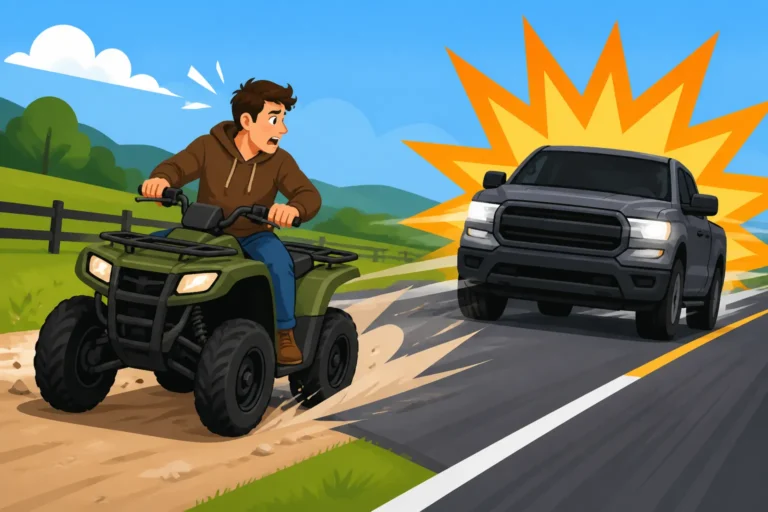
Getting caught riding in a creek bed where it's not permitted can lead to serious consequences. Law enforcement, including local police, county sheriffs, and Kentucky Fish and Wildlife Conservation Officers, can issue citations. Penalties can range from significant fines to vehicle impoundment, and repeat offenses can escalate. Beyond the initial fine, you could also be held liable for any environmental damage or property damage caused. Imagine having to pay for erosion control or stream bank restoration because your machine churned up too much sediment. These fines and potential legal actions are far from a minor inconvenience and can quickly turn an enjoyable ride into a very costly mistake. [Kentucky Fines for Illegal ATV Road Use] often include a range of escalating penalties that apply to off-road violations.
Practical Considerations and Risks Beyond the Law
Even if you somehow found a legally permissible creek bed to ride in – perhaps on private land with express permission from the owner – there are still significant practical challenges and risks to consider. These range from safety concerns for yourself and your passengers to the very real possibility of damaging your expensive machine.
Environmental Impact and Conservation Efforts
Beyond the legal aspect, responsible stewardship of Kentucky's natural resources is crucial. Riding in creek beds can:
- Increase Sedimentation: Stirring up the creek bed releases fine sediments that smother fish eggs, fill in important aquatic habitats, and cloud the water, making it harder for aquatic plants to photosynthesize.
- Destroy Riparian Vegetation: Repeated passes can kill vegetation along the banks, leading to increased erosion and loss of habitat for wildlife.
- Introduce Pollutants: Even a well-maintained machine can drip small amounts of oil, gas, or coolant into the water, polluting sensitive ecosystems.
- Disturb Wildlife: The noise and presence of ATVs and UTVs can stress local wildlife, disrupting breeding patterns and forcing animals to abandon their habitats.
When we think about conservation in Kentucky, our beautiful creeks and rivers are at the heart of it. Preserving them means respecting their delicate balance.
Safety Hazards Lurking in the Creek Bed
Riding in water, especially in a natural creek bed, introduces a whole host of safety risks:
- Hidden Obstacles: Rocks, logs, and other debris can be completely submerged and invisible until you hit them. These can cause sudden stops, loss of control, rollovers, or damage to your tires and suspension.
- Varying Depths and Currents: A shallow section can suddenly drop into a deep hole. Strong currents, especially after rain, can sweep your machine downstream or pull you into dangerous situations. [Crossing a Low-Water Bridge] involves careful planning and knowing the conditions.
- Slick Surfaces: Algae-covered rocks and wet gravel can drastically reduce traction, making it easy to slide, lose control, or get stuck.
- Flash Floods: Kentucky's weather can be unpredictable. A sudden downpour upstream can turn a gentle trickle into a raging torrent in minutes, trapping riders and machines. Always check weather conditions for the entire watershed, not just your immediate location.
- Drowning Risk: Getting stuck in a deep hole or having your machine roll in moving water can quickly become a life-threatening situation.
Damage to Your Machine: Water's Corrosive Touch
Water and mechanical components often don't mix well, especially with prolonged exposure. Riding in creeks can lead to expensive repairs:
- Water Intrusion: Water can get into your engine, transmission, and differential fluids, causing corrosion, lubrication breakdown, and severe internal damage. Even supposedly sealed components can fail under pressure or prolonged submersion.
- Electrical System Issues: Wires, sensors, and connectors are vulnerable to water. Corrosion can lead to intermittent failures, shorts, or complete electrical shutdowns.
- Bearing and Bushing Wear: Water and grit can get into wheel bearings, swing arm bushings, and other pivot points, rapidly wearing them out and requiring costly replacements. Companies like SuperATV offer heavy-duty, sealed bearings and bushings that can withstand some abuse, but even these aren't foolproof against constant submersion.
- Rust and Corrosion: Metal components, especially those not designed for constant water exposure, will rust and corrode prematurely, weakening the frame, suspension parts, and fasteners. Keeping your machine clean and using rust-preventative sprays after water rides can help, but it's a constant battle. Investing in quality, corrosion-resistant components, perhaps from a brand like SuperATV, can offer some peace of mind, but prevention is always the best strategy.
- Brake System Contamination: Water and mud can reduce braking effectiveness and accelerate wear on brake pads and rotors.
Responsible Riding: Protecting Yourself and the Environment
So, what's a responsible rider to do when the urge to splash through water strikes? The answer lies in seeking out legal, designated areas and adopting best practices that minimize your impact and maximize your safety. The thrill of the ride doesn't have to come at the expense of Kentucky's natural beauty or your own wallet.
Seeking Legal Alternatives: Designated Trails and Private Land
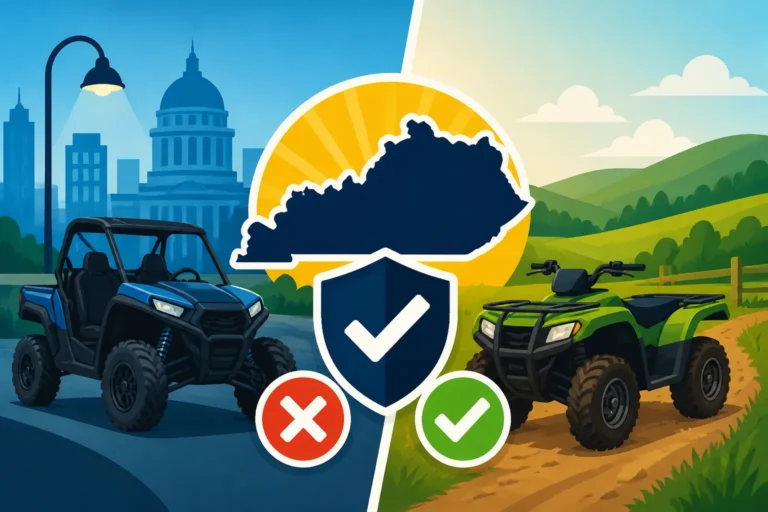
The best way to enjoy water on your ATV or UTV is to stick to designated off-road parks and trails that are specifically designed to handle such activity. Many parks, such as Black Mountain Off-Road Adventure Area in Kentucky, Leatherwood Off-Road Park in Kentucky, or Turkey Bay OHV Area in Western Kentucky, feature marked water crossings that are engineered to minimize environmental impact and are regularly maintained. These areas understand the appeal and provide a safe, legal way to experience it. For example, Turkey Bay OHV Area has numerous creek crossings that are part of the established trail system.
If you are determined to ride on private land, you absolutely must obtain explicit, written permission from the landowner. Ensure that their permission specifically covers riding in any creek beds on their property. Remember, even if they own the land, they might not legally own the streambed itself or have the right to allow such activity due to environmental regulations. Always clarify who has what rights and be prepared to respect boundaries. [Kentucky Landowner Permission Rules] are critical to understand before venturing onto private ground.
Best Practices for Water Crossings (When Legally Allowed)
When you are on a designated trail with a legal water crossing, there are still crucial steps to take to ensure safety and minimize environmental impact:
- Scout the Crossing: If possible, walk through the water crossing before attempting it, or observe other riders. Check the depth, current, and any visible obstacles. Look for entry and exit points.
- Go Slow and Steady: Maintain a consistent, low speed. Rushing through can create a larger wake, pushing water into your engine's air intake or electrical components, and increasing erosion.
- Maintain Momentum: You need enough speed to get through, but not so much that you lose control. If you have to stop in the middle, you might get stuck.
- Keep Your Feet Up: Keep your feet on the footpegs, not dangling in the water, to avoid injury from submerged objects or the current.
- Watch Your Wake: A large wake can push water into your air box or exhaust, and contribute to erosion of the banks. Aim for a controlled, minimal splash.
- Check Fluids After: After significant water crossings, check your oil, transmission fluid, and differential fluids for signs of water contamination (milky appearance). If found, change them immediately. Consider using products designed to waterproof electrical connections, and look at components from brands like SuperATV that are designed for rugged, wet environments, offering better seals and protection.
Know Before You Go: Research and Local Ordinances
The bottom line is to do your homework. Never assume a creek bed is fair game. Before you even load your machine onto the trailer, research the area you plan to ride.
- Check Park Regulations: If you're going to an off-road park, review their specific rules regarding water crossings. Some parks may have certain areas closed or specific guidelines for riding through water. [Kentucky Trail Rules for Riders Under 16] might also specify supervision requirements around water features.
- Consult Local Authorities: If you're unsure about a specific waterway, contact the local county clerk's office, sheriff's department, or the Kentucky Department of Fish and Wildlife Resources. They can provide clarification on property lines and permissible activities.
- Seek Landowner Permission: Again, if it's private land, get written permission. This protects both you and the landowner.
- Study Maps: Use topographical maps to understand the watershed and identify potential private property boundaries.
- Weather Awareness: Always check the weather forecast, especially for upstream areas that could impact creek levels and currents. A sunny day at your location doesn't mean it hasn't rained heavily just a few miles up the creek.
Riding off-road in Kentucky is a fantastic experience, but it comes with the responsibility to respect the land and the law. By understanding the regulations around creek beds and choosing to ride responsibly in designated areas, you can ensure that you, your machine, and Kentucky's beautiful waterways remain safe and sound for years to come. For durable parts that can withstand tough conditions, even if you're just doing legal water crossings, check out brands like SuperATV for their robust offerings.
Here's a quick comparison to help clarify the differences:
| Feature | Riding Directly in a Creek Bed (Generally Illegal) | Legal Water Crossing on a Designated Trail |
|---|---|---|
| Legality | Generally illegal due to trespass/environmental laws. | Permitted and managed by park/landowner. |
| Land Ownership | Streambed likely private property, even if water is "public." | Trail/land owned by park or permission granted for passage. |
| Environmental Impact | High risk of erosion, sedimentation, habitat destruction, pollution. | Managed to minimize impact, often reinforced or monitored. |
| Safety Hazards | High: Hidden obstacles, variable depths, strong currents, flash floods. | Moderate: Obstacles may be present but usually visible or marked. |
| Machine Damage Risk | High: Water intrusion, electrical issues, accelerated wear, rust. | Moderate: Still a risk, but parts are designed for some exposure. |
| Penalties | Fines, impoundment, liability for damages. | None, as long as rules are followed. |
| Best Practice | Avoid unless explicitly permitted and verified legal. | Scout, slow and steady, maintain momentum, check fluids after. |
Disclaimer
This article is for general informational purposes only and does not constitute professional advice. Laws, prices and regulations vary by location and change over time. Consult a qualified professional for guidance on your specific situation.