Paying Per Person Rather Than Per Machine
A trail permit charged per person can change the cost of a Kentucky ride more than you might expect, especially when passengers or several riders are involved. The key is to find out who needs a permit, what it covers, and whether the park charges separately for machines. A little checking before you load can prevent surprises at the gate.
What a Per-Person Permit Means
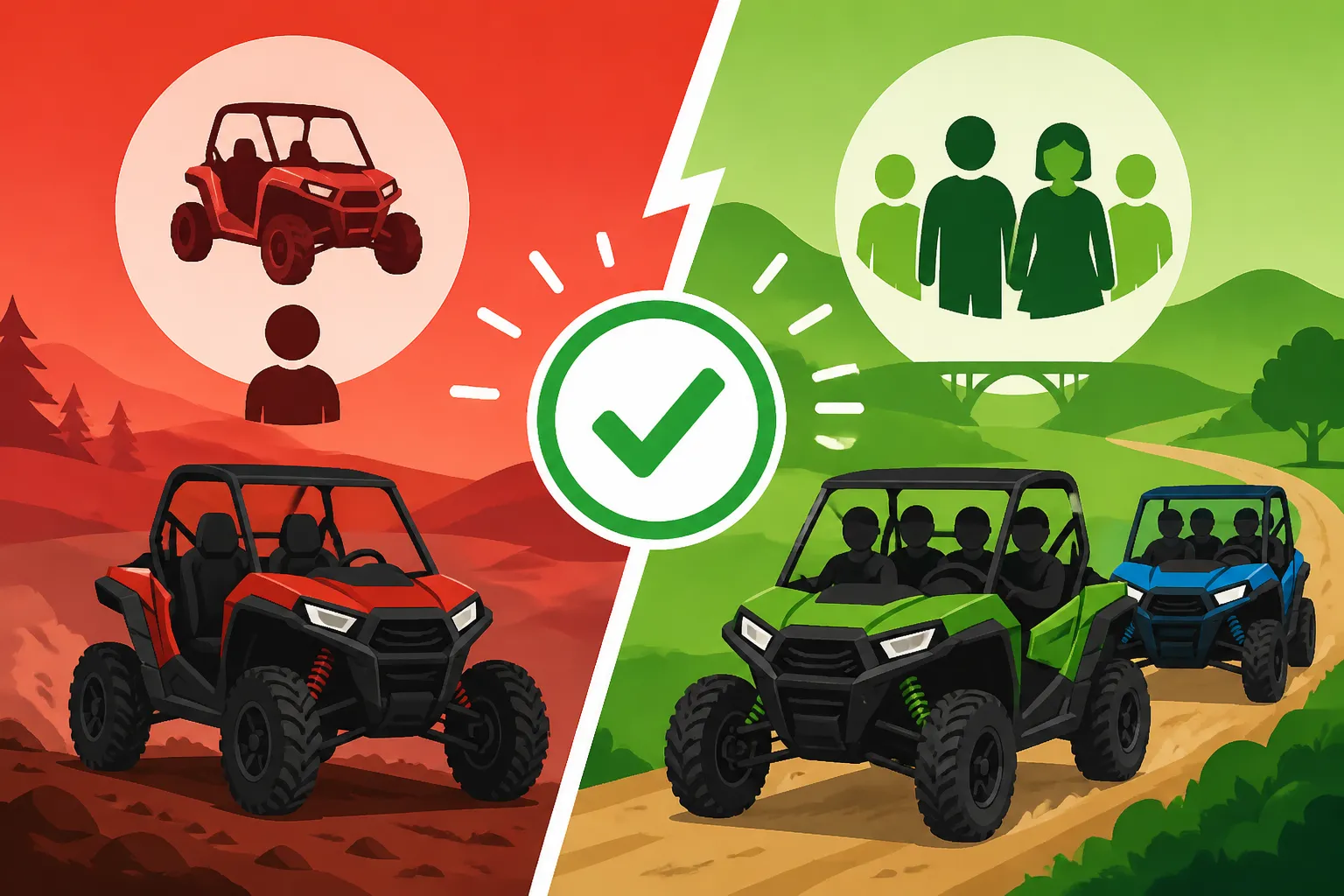
A per-person permit is tied to the people entering or riding, rather than being one permit that covers a machine and everyone aboard. At a park using this approach, each person who falls under the park’s permit rules may need their own authorization. That can include a passenger, not just the person operating the ATV or UTV.
This is different from a per-machine system, where the main charge is connected to the vehicle. The park may still have separate requirements for riders or passengers, so “per machine” does not automatically mean every person rides at no additional cost. Likewise, a per-person permit does not necessarily mean there is no separate machine charge. Ask what the permit covers rather than relying on the label alone.
Leatherwood is associated with a per-person permit structure. The practical reason is that access is being managed around the people using the riding area, not simply the number of vehicles entering. For the park’s rationale and how that approach works, see Why Leatherwood Charges Every Person. Since rules and charges can change, confirm the current setup directly with the park before you travel.
| Permit setup | What the charge is generally tied to | What to confirm |
|---|---|---|
| Per person | Each person covered by the park’s rules | Whether passengers need their own permit and which ages are covered |
| Per machine | One machine or a defined number of machines | Whether a second machine requires another permit |
| Mixed system | A combination of rider, passenger, vehicle, or access charges | Which parts are included and which are separate |
The important distinction is who or what the permit covers. Two groups with the same number of machines can face different totals if one group has more riders, if passengers need separate permits, or if the park uses different categories for different visitors.
A per-person system can feel less intuitive when you are used to buying one permit for a vehicle. But it is straightforward once you count the people who will be using the park and check which ones must be covered. A family with one side-by-side and several occupants, for example, should not assume the vehicle’s permit covers everyone inside it.
How to Work Out Your Group’s Total
Start with the people, not the machines. Make a list of every person who will enter or ride, including passengers and anyone who may arrive separately. Then check the park’s rules for each category. A child, a passenger, a guide, or a visitor who is not driving may be treated differently, depending on the park’s policy.
Next, establish what the permit includes. It might cover trail access for a particular period, but that does not tell you whether camping, parking, or other activities are included. Avoid treating “permit” as a catch-all for every cost connected with the trip.
Use this process before booking or loading:
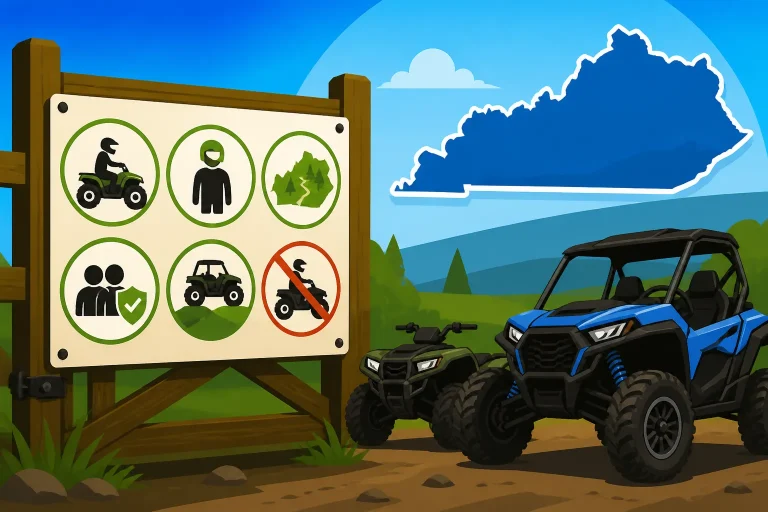
- Choose the exact riding area. A permit for one park or trail system does not automatically apply elsewhere. Kentucky does not have one statewide trail permit that replaces each property’s own requirements. Why a Kentucky Park Permit Is Not a State Permit explains why separate parks can have separate rules.
- Count everyone who will use the area. Include passengers and anyone who may join the group after arrival.
- Ask whether each person needs a permit. Do not assume a passenger is covered by the driver’s permit or by a vehicle permit. The answer can depend on the park’s own rules. For Leatherwood-specific passenger questions, see Does a Passenger Need Their Own Leatherwood Permit?.
- Ask what each permit covers. Confirm the valid period, the authorized riding area, and whether the permit is tied to a person, a machine, or both.
- Check for separate charges. Ask about any costs for parking, camping, facilities, or other services you plan to use.
- Confirm the current payment and display process. Find out whether permits are bought at the gate, in advance, or through another method, and whether anyone must carry or display proof.
For a simple estimate, add up the required permits for each person and then add any separate machine or access charges the park confirms. Do not multiply a per-person charge by the number of machines, or a per-machine charge by the number of riders, unless the park says that is how its system works.
A quick call can clarify an unusual group. For example, ask whether a passenger who will not operate a machine still needs a permit, whether children are covered under a different category, and whether everyone must arrive together. If you are comparing options, ask for the total for your actual group rather than only a single-person or single-machine figure.
Passengers, Families, and Groups
Passengers are the most common source of confusion. A driver may think the permit is attached to the UTV, while the park may require each person in the vehicle to have their own permit. This is particularly worth checking when a group plans to share a machine, rotate drivers, or bring children as passengers.
Do not assume that a passenger’s status is settled by their age or by the fact that they are not driving. The park’s permit policy may differ from state riding rules, minimum-age requirements, and the rules for a particular trail system. Ask the park what applies to admission and permit coverage; check the riding rules separately.
For a family, make a small roster before asking for a quote:
- Adults driving
- Adults riding as passengers
- Children riding as drivers, if permitted
- Children riding as passengers
- Anyone entering the property without riding
Then ask which people need permits and whether a family option exists. If there is a family permit or another group arrangement, confirm exactly who it covers and whether it changes the rules for the machine. A family rate should not be assumed to cover every vehicle or every person in the group.
For larger groups, decide who will collect the information and make the purchase. It helps to assign one person to confirm the permit rules, while another checks the machine count and any separate requirements. Keep the answer in writing when possible, especially if your group has several vehicles or is arriving at different times.
Groups should also agree on the plan before they reach the entrance. If one person assumes a passenger is included and another assumes each person needs a permit, the disagreement is harder to solve at the gate. Send everyone the same confirmed details, including where permits are obtained and what proof each rider should have.
A per-person charge can make a larger group’s total feel high even when the group brings relatively few machines. That does not necessarily mean the park has misapplied the rule; it may simply be charging for access by each person. The right comparison is the full cost for your group at each destination, not a headline amount that covers only one rider or one vehicle. What a Family of Four Pays at Leatherwood is a useful related topic when estimating a family visit, but confirm current figures with the park.
Avoiding Permit Surprises at the Gate
The simplest way to avoid a last-minute problem is to verify the details with the park that controls access. Online summaries, old trip notes, and advice from another rider can be useful starting points, but they may describe a different permit type or an older policy. A person who rode alone may not know how the charge applies to passengers.
When you contact the park, be specific. Instead of asking, “How much is a permit?” describe your group: the number of machines, the number of drivers, the number of passengers, the ages of any children, and how long you plan to ride. Ask for the total required payment and whether each person needs to be present when permits are issued.
Also clarify the practical details:
- Whether permits must be purchased before entering the riding area
- Whether permits are valid for a set visit or another defined period
- Whether proof must stay with the rider or be attached to a machine
- Whether switching drivers affects who needs a permit
- Whether a passenger may ride under the driver’s permit
- Whether permits cover camping or other planned activities
- What happens if the group adds a rider or machine after arrival
Keep your confirmation accessible during the trip. If the park issues paper permits, store them as directed and avoid separating a permit from the person or machine it covers. If proof is digital, make sure the relevant riders can retrieve it without relying on a single person’s phone.
Finally, check each destination separately if your trip includes more than one riding area. A permit bought for one park is not a general Kentucky riding pass. Rules and charges can differ even between nearby destinations, so plan for each stop rather than expecting a single purchase to carry over. Carrying Four Permits for Four Parks covers the broader challenge of managing separate permits across a multi-park trip, while Kentucky Trail Permits Explained provides context on how park-specific requirements fit together.
The useful rule of thumb is simple: count the people, count the machines, and ask which count the park uses. Once you know whether passengers need permits and what the permit includes, you can compare the real total for your group and arrive prepared.
Disclaimer
This article is for general informational purposes only and does not constitute professional advice. Laws, prices and regulations vary by location and change over time. Consult a qualified professional for guidance on your specific situation.