Kentucky Rules for Riding With a Dog
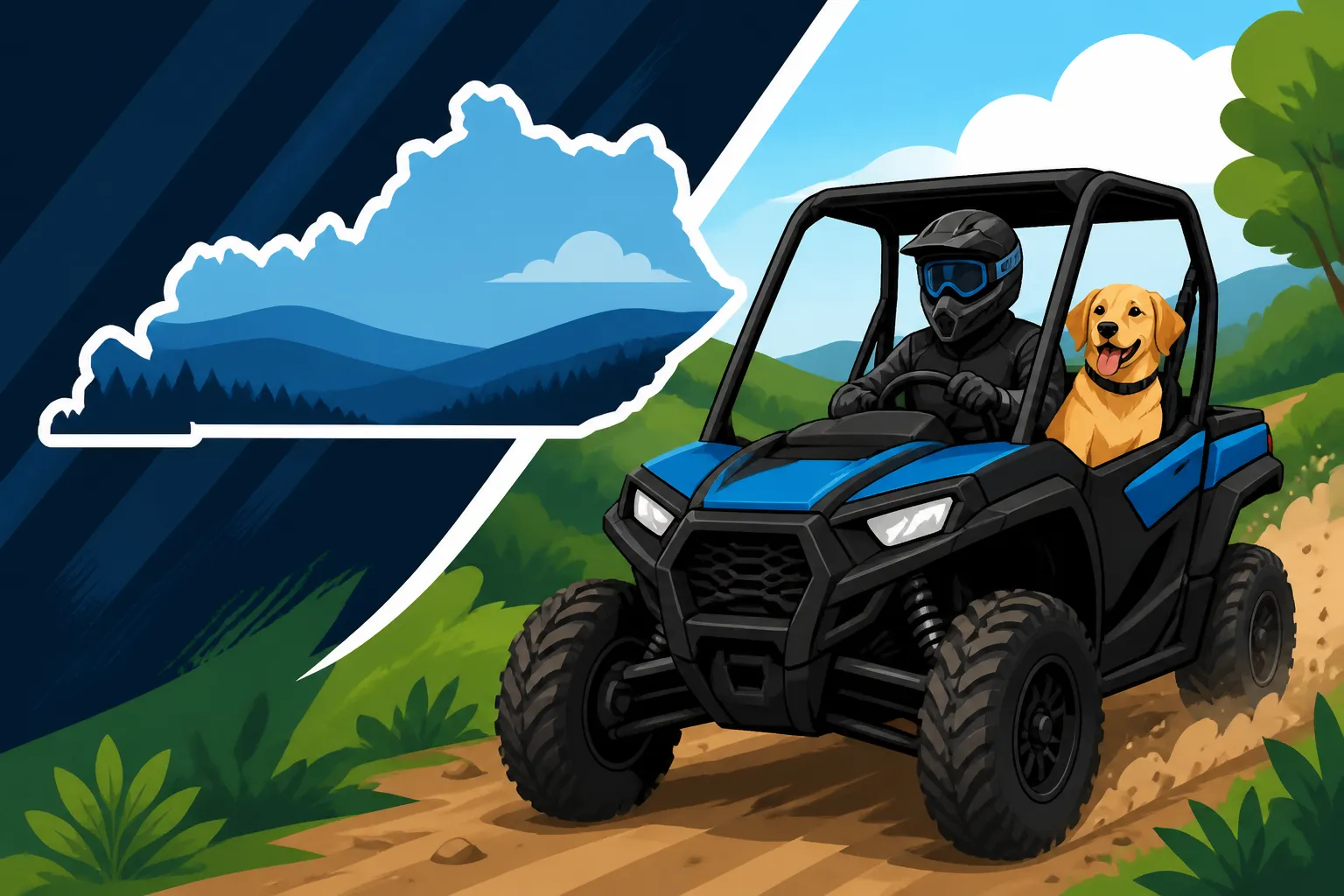
It's only natural to want to bring your furry best friend along for the adventure when you head out on your ATV or UTV in Kentucky. After all, they're part of the family! However, the silence from official regulations can be confusing, leaving many riders wondering if it's even allowed, let alone how to do it safely and responsibly. This guide will walk you through the practical considerations, safety protocols, and general legal framework (or lack thereof) to help you decide if bringing your dog on your Kentucky off-road excursions is the right choice for you and your four-legged companion.
The Unspoken Rules: Understanding Kentucky Law and Your Dog
When it comes to specific laws governing dogs riding on ATVs or UTVs in Kentucky, you might be surprised to find that there isn't a dedicated statute or regulation that explicitly addresses this scenario. This absence of specific rules often leads to confusion, as many riders assume that no rule means it's automatically permitted without any thought to safety or general animal welfare. It's a common frustration in the off-road community when detailed rules exist for some things, but not others that seem just as important to many of us.
Why Specific ATV Dog Laws Are Hard to Find
The reality is that lawmakers tend to focus on broad safety concerns, vehicle registration, and land use when crafting ATV and UTV legislation. The specific nuances of bringing pets along often fall outside the primary scope of these laws. Kentucky's existing ATV laws, for example, largely focus on things like [Kentucky Rules for Riding After Dark] or [Kentucky Helmet Law for ATV Riders], addressing rider safety and legal operation rather than cargo, whether it has four legs or two. This isn't unique to Kentucky; many states have similar gaps in their off-road vehicle statutes. It means that while you won't find a law explicitly prohibiting your dog from riding, you also won't find one dictating how they should ride, leaving the responsibility squarely on your shoulders.
This lack of specific guidance doesn't mean it's a free-for-all. Instead, it pushes you into a gray area where general animal welfare laws, common sense, and the rules of specific riding areas become paramount. For instance, if you were to ride with an unsecured dog that then caused an accident or was injured due to negligence, you could still face legal repercussions under broader animal cruelty or endangerment statutes, even if there's no "ATV dog law." It's about exercising good judgment and prioritizing your pet's well-being above all else.
General Animal Welfare and Leash Laws Still Apply
Even without explicit ATV-specific rules for dogs, you are always bound by general animal welfare laws and local leash ordinances. If you're riding on private land that you own, you likely have more leeway, but if you're traversing someone else's property, even with permission, you might encounter issues. [Kentucky Rules for Riding Private Land] often emphasize getting explicit permission, and that permission should extend to your canine passenger too. No landowner wants to be liable for an animal incident, or deal with a dog getting lost or spooked on their property.
Furthermore, if you're riding on public roads for a brief crossing, or even heading to a trailhead on a county road, local leash laws could come into play. While most ATVs and UTVs aren't meant for road use, there are specific, limited circumstances where it's allowed, such as [Kentucky Rules for Crossing a Highway] or riding to a nearby farm field. In these instances, your dog should be appropriately restrained and not able to jump from the vehicle or interfere with traffic. A loose dog, even in the bed of your UTV, could be seen as a hazard, and you could face citations under local ordinances designed to keep animals secured in public spaces. Always err on the side of caution and assume that any public access point requires your dog to be leashed or securely contained.
Prioritizing Your Pup's Safety on the Trail
Bringing your dog along for an ATV or UTV ride isn't just about legality; it's profoundly about safety. The off-road environment presents unique challenges that can be dangerous for pets if not properly managed. From unexpected bumps and turns to flying debris and extreme weather, your dog needs protection and careful consideration. Ignoring these risks isn't just irresponsible; it can lead to serious injury for your beloved companion.
Secure Restraints and Protected Spaces
The absolute paramount rule for riding with a dog is secure restraint. A dog loose in the bed of a UTV or on the seat of an ATV is an accident waiting to happen. Sudden stops, sharp turns, or even a branch brushing against them could cause them to fall out, leading to severe injury or even death. Just as you secure your cargo, you must secure your canine companion. For UTVs, a dedicated pet crate or a robust pet carrier designed for vehicle use is often the best option. These should be secured to the UTV's cargo bed or roll cage using straps or tie-downs, preventing them from shifting or tipping. You might even look into robust cargo boxes or specialized pet enclosures, like those offered by companies such as SuperATV, designed to secure your furry friend safely in the bed of a UTV, offering both security and protection from the elements.
For ATVs, the options are more limited due to the open nature and lack of cargo space. Small dogs might fit in a secure, front-mounted carrier or backpack specifically designed for pets, but this can affect your balance and visibility. Larger dogs are generally not suitable for ATV rides due to the inability to secure them safely without compromising rider control. Regardless of the machine, ensure that any restraint allows the dog to stand, turn around, and lie down comfortably, but not allows them to escape or be thrown from the vehicle. Consider a harness that can be clipped into a seatbelt-style restraint within a secured enclosure.
Hydration, Breaks, and Environmental Protection
Off-road riding can be physically demanding and expose both riders and pets to various environmental stressors. Dogs can overheat much faster than humans, especially in direct sunlight or during strenuous activity. Always carry ample fresh water for your dog and offer it frequently, especially on hot days. Plan for regular breaks where your dog can stretch its legs, relieve itself, and cool down in the shade. This is crucial not just for their comfort but for their overall health, preventing heatstroke and dehydration.
Protection from the elements and trail hazards is also vital. In a UTV, a roof and windshield offer some protection from sun, rain, and flying debris, but an open back cargo area still exposes them. Consider a secure kennel cover or a UTV bed enclosure that provides shade and shields them from dust, rocks, and branches. For ATVs, direct exposure is unavoidable, making it even more critical to assess weather conditions. Their paws are also vulnerable to hot surfaces, sharp rocks, and thorns. If your dog will be walking on the trail during breaks, consider protective booties, especially on rough terrain or scorching pavement. Remember, a dog doesn't have the luxury of wearing [Kentucky Helmet Rules for ATV Riders] or heavy-duty riding gear, so you need to provide their protection for them.
Here's a quick checklist to help ensure your dog's safety:
| Safety Category | Considerations | Essential Gear |
|---|---|---|
| Restraint & Containment | Prevent falls, escapes, and interference with operation. | Secure, crash-tested pet crate or carrier; heavy-duty straps/tie-downs; harness compatible with vehicle seatbelt (for open UTV seats); UTV bed enclosures (e.g., from SuperATV) for added security and weather protection. |
| Environmental Protection | Shield from sun, rain, dust, debris, and extreme temperatures. | Shade cover for crates; UTV roof/windshield; cooling vest (hot weather); dog booties (hot surfaces, sharp terrain); warm blanket (cold weather). |
| Hydration & Comfort | Ensure constant access to water and opportunities for relief. | Ample fresh water in a spill-proof bowl/bottle; collapsible bowl; dog treats; waste bags; a comfortable mat or bed inside the crate. |
| Health & Identification | Be prepared for emergencies and ensure your dog can be identified. | First-aid kit for pets; up-to-date ID tags on collar; microchip information; vet contact details; recent photo of your dog; leash. |
| Visibility | Make sure your dog can be seen, especially if they are out of the vehicle at any point. | Reflective collar or vest, especially for early morning, late evening, or wooded areas. |
Preparing Your Machine and Your Companion
Taking your dog off-roading isn't just about throwing them in and going. It requires preparation for both your vehicle and your pet. A well-prepared dog is a safer, happier dog, and a well-equipped machine ensures their comfort and security throughout the ride. Thinking ahead can prevent a lot of stress and potential hazards on the trail.
Training Your Dog for the Ride
Not all dogs are cut out for off-road adventures, and that's okay! Before committing to a long trip, introduce your dog to the ATV or UTV gradually. Start with the machine turned off, letting them sniff around and get comfortable with its presence. Then, introduce them to their designated riding space (e.g., the secured crate in the UTV bed). Reward calm behavior with treats and praise. Once they're comfortable with the stationary machine, try short rides around your property at low speeds. Observe their reaction closely. Are they anxious, panting excessively, or trying to escape? Or are they calm and enjoying the ride?
Positive reinforcement is key. Associate the machine and their crate with good things. Some dogs might never truly enjoy the noise, vibrations, and unpredictable movements of off-road riding, and forcing them can create a negative experience for everyone. It's important to respect your dog's temperament and limits. If they show signs of extreme stress or fear, it might be best to leave them at home, perhaps with a trusted pet sitter. Your dog's mental well-being is just as important as their physical safety.
Essential Gear and Machine Modifications
Beyond the basic safety restraints, certain gear can significantly improve your dog's experience and safety. As mentioned, a high-quality pet crate or carrier is crucial. When choosing one, consider ventilation, durability, and how easily it can be secured. For UTVs, products like a bed extender or a specific UTV pet kennel can be invaluable. Some riders even install custom platforms or enclosures in their UTV beds to create a more stable and protected space for their pets, often utilizing the existing cargo points for secure attachment.
Consider investing in protective eyewear for your dog, especially if they are riding in an open UTV or exposed area. "Doggles" or similar pet goggles can protect their eyes from dust, debris, and branches, which can cause painful injuries. Paw protection, like durable dog booties, is also important for when they're off the machine, especially if you anticipate walking on sharp gravel, hot asphalt, or rough terrain. Don't forget a first-aid kit specifically for pets, containing items like bandages, antiseptic wipes, tweezers (for splinters or ticks), and any necessary medications your dog might take. Just like you'd pack for yourself, [Kentucky Rules for Riding With a Firearm] might mean you have other gear, but dog-specific first aid is just as critical. A small, but well-stocked kit can make a big difference in an emergency far from help.
Navigating Different Riding Environments with Your Canine Co-Pilot
Where you choose to ride your ATV or UTV with your dog can significantly impact the rules and considerations you need to keep in mind. The guidelines for private land might be very different from those for public trail parks or areas where hunting is common. Understanding these distinctions is vital for a smooth and legal outing.
Private Land Versus Public Trail Parks
Riding on your own private land offers the most flexibility. Here, your primary concerns are your dog's safety and your own judgment. You can control the environment, know the terrain, and ensure your dog is comfortable without worrying about external regulations or other trail users. However, even on private land, you still have a responsibility to your pet's well-being, avoiding anything that could cause them harm or distress.
When venturing to public trail parks or designated riding areas, the rules can become more stringent. Many state or federally managed parks, and even private pay-to-ride parks like Black Mountain Off-Road Adventure Area, have specific rules regarding pets. Some parks may welcome dogs on a leash, while others might restrict them from certain areas or even prohibit them entirely from being on the trails. It's absolutely crucial to check the specific park's regulations before you go. A quick call or check on their website can save you a wasted trip and potential disappointment. For instance, while you might be planning to hit trails at Land Between the Lakes, you need to verify their specific pet policies for OHV areas like Turkey Bay. Simply assuming "dogs allowed" is a risky gamble. Always respect park rules and fellow riders, and remember that [Kentucky Trails That Fill Up on Holidays] will have more people and therefore more potential interactions with other pets or children.
Considering Hunting and Working Dog Scenarios
For many, an ATV or UTV isn't just for recreation; it's a tool, especially for hunting or farm work. If you're using your machine to access hunting grounds or for tasks around the farm, your dog might naturally accompany you. In these scenarios, the rules might subtly shift. For instance, during hunting season, if your dog is working (e.g., a bird dog or tracking dog), different considerations apply compared to a pet simply along for the ride. You must be acutely aware of [Kentucky Rules for Riding in Deer Season] and how your dog's presence might interact with other hunters or wildlife.
For working dogs, their safety is paramount. They might be in and out of the machine frequently, requiring quick and easy, yet secure, containment. The noise and vibrations of the machine might be something they're accustomed to, but vigilance is still necessary. It's also worth noting that farm machines often operate under different regulations than recreational ATVs for things like road crossings or equipment requirements. If your dog is helping with farm chores on a machine, these nuances should be understood. Whether your companion is a dedicated working dog or just your best buddy, their comfort, safety, and your adherence to any applicable rules should always be your top priority on any Kentucky trail or farm road.
Disclaimer
This article is for general informational purposes only and does not constitute professional advice. Laws, prices and regulations vary by location and change over time. Consult a qualified professional for guidance on your specific situation.