Riding Two Kentucky Parks in One Trip
Two Kentucky ATV parks in one trip require matching park locations, realistic driving routes, and proper trail itineraries.
The map is not the permission.
National forest and BLM routes, state OHV parks, and club trails crossing private land — with the closures and passes that decide whether today counts.
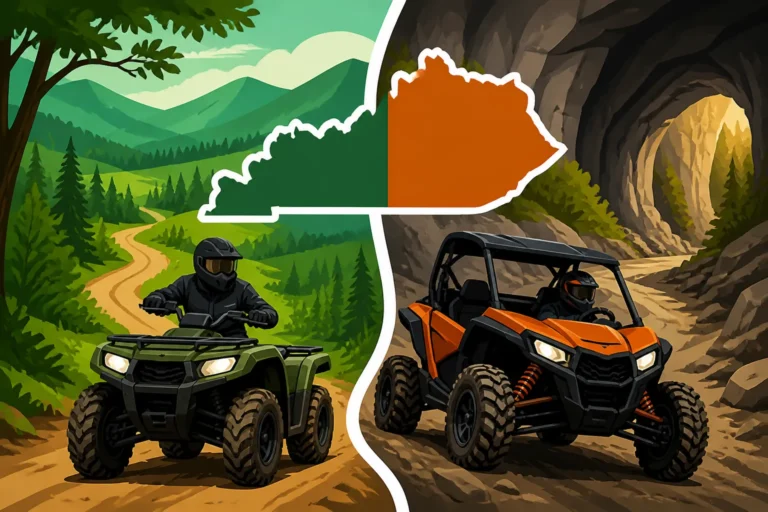
Two Kentucky ATV parks in one trip require matching park locations, realistic driving routes, and proper trail itineraries.
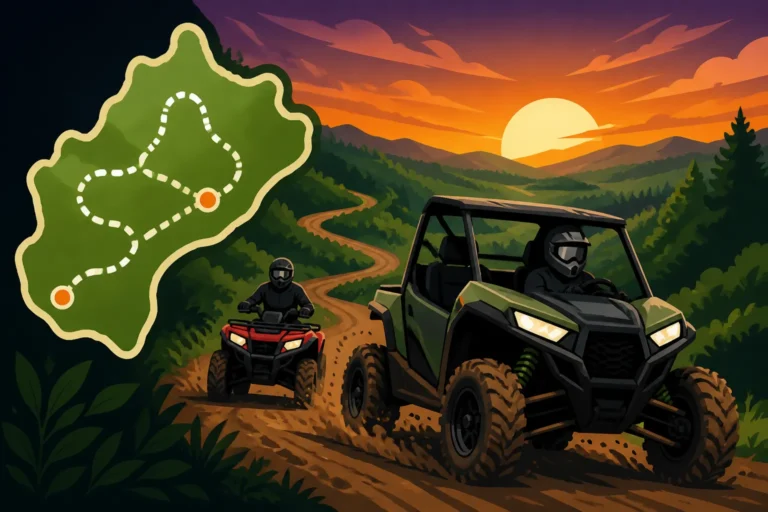
Leatherwood trail riding plans explain how to choose conservative mountain routes, pace groups, and return before dark.

Park wash rules for ATVs and UTVs in Kentucky explain where rinsing mud is allowed and how to avoid environmental runoff.
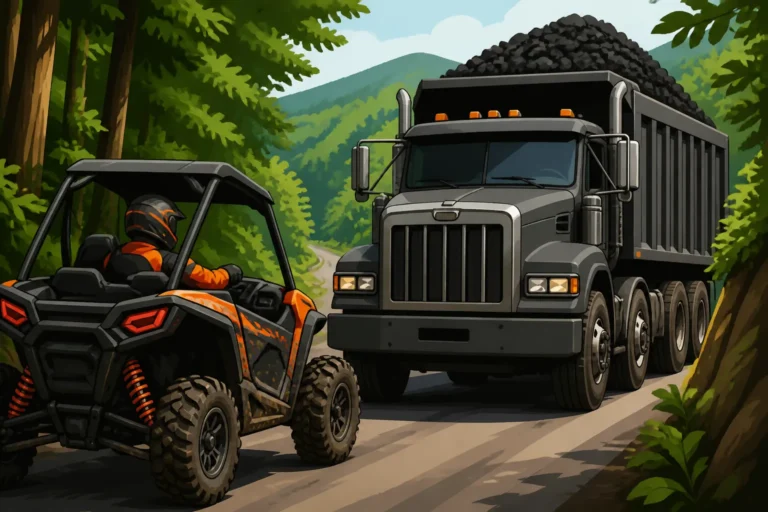
Kentucky park roads shared by coal trucks and ATVs require safe riding practices, early slowing, and proper yielding methods.
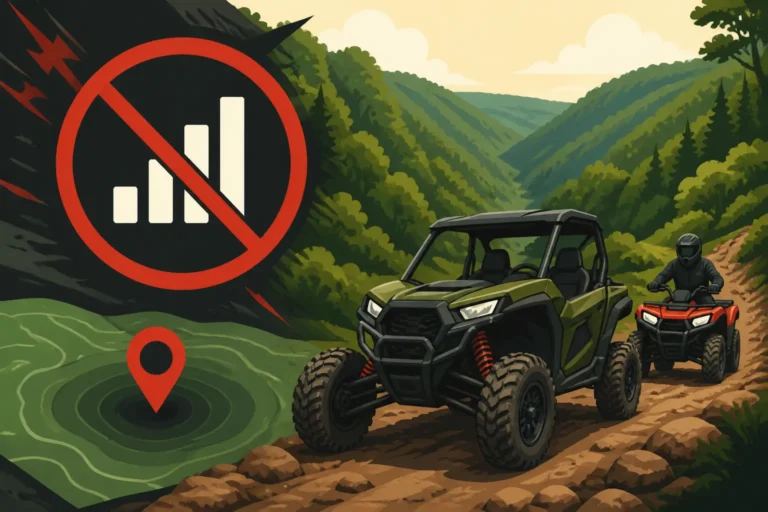
Kentucky trail cell phone dead zones block radio signals and maps, requiring offline preparation before riding.
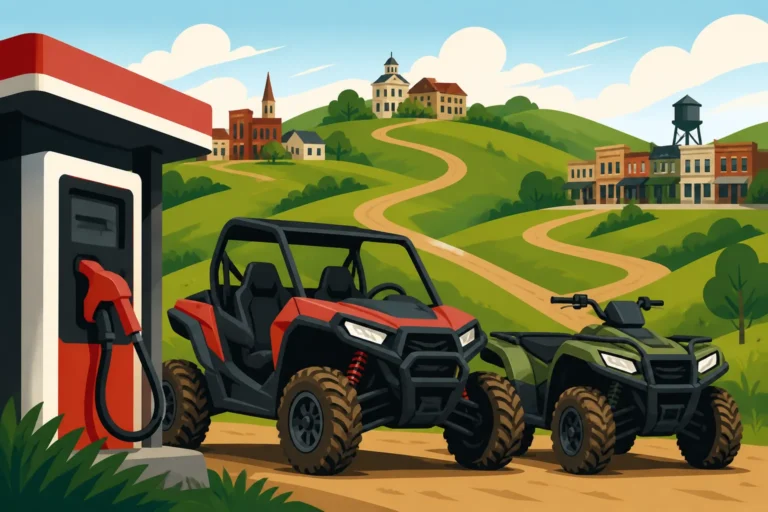
Fuel planning for Eastern Kentucky rides explains how to estimate fuel needs and avoid unconfirmed gas stations.
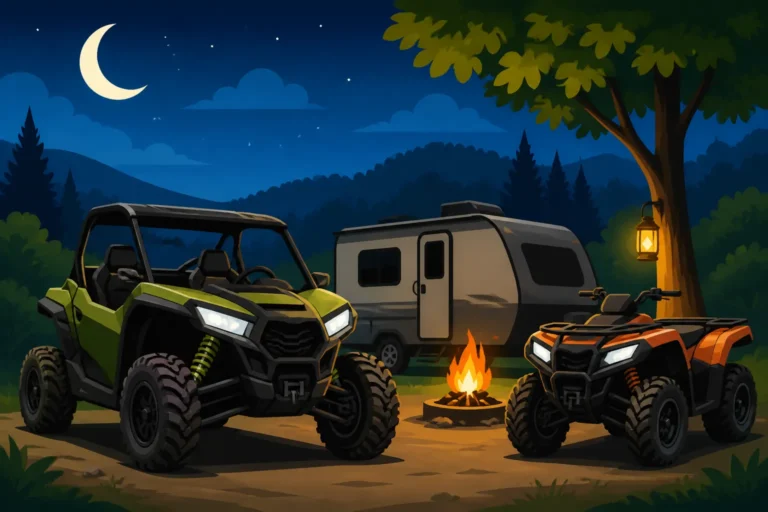
Overnight parking rules at Kentucky parks explain whether trucks and ATV trailers can stay unattended or if separate camping permits are required.
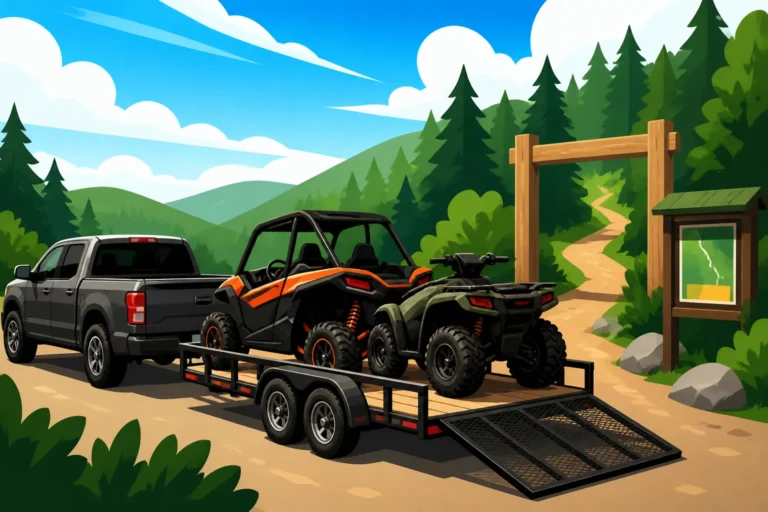
Trailer parking at Kentucky trailheads requires planning for tight turns, soft shoulders, and changing overnight rules.
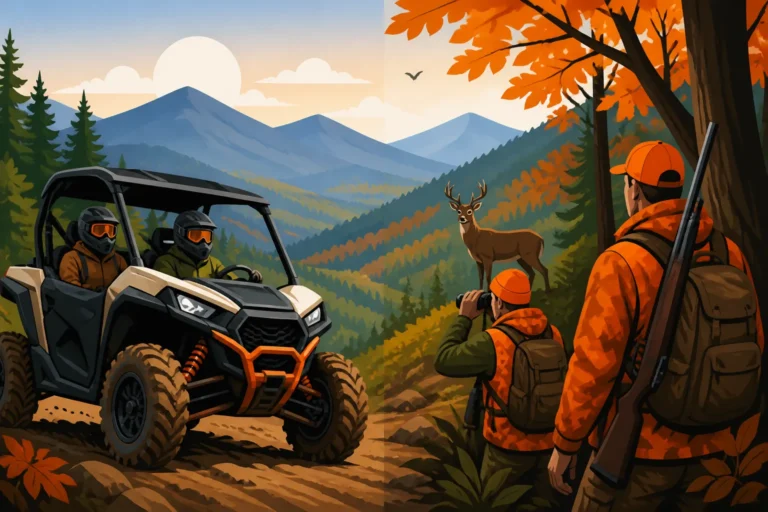
ATV riding during deer season in eastern Kentucky requires checking access, wearing high-visibility gear, and choosing safe routes.
Blaze orange gear on Kentucky trails improves rider visibility among hunters, explaining legal rules and safe wearing methods.