Why an Older Machine May Have No Title
It’s a scenario that plays out all too often across Kentucky: you find what looks like a fantastic deal on an older ATV or UTV, a well-loved machine that’s perfect for the farm, the trails, or just cruising the holler. You shake hands, exchange cash, and then, when you go to get it titled, you hit a snag. The county clerk looks at you, then at the machine's age, and explains that it simply doesn't have a title. This guide is here to shed light on exactly why this happens and what your options are.
The Historical Divide: Kentucky's Titling Law Before 2010
One of the biggest sources of confusion for ATV and UTV owners in Kentucky centers around a specific date: July 15, 2010. Before this pivotal date, the landscape of ATV ownership and titling was entirely different in the Commonwealth. If you own or are looking to buy an older machine, understanding this historical context is absolutely crucial to navigating the titling process today.
Before July 15, 2010: No State-Mandated ATV Titles
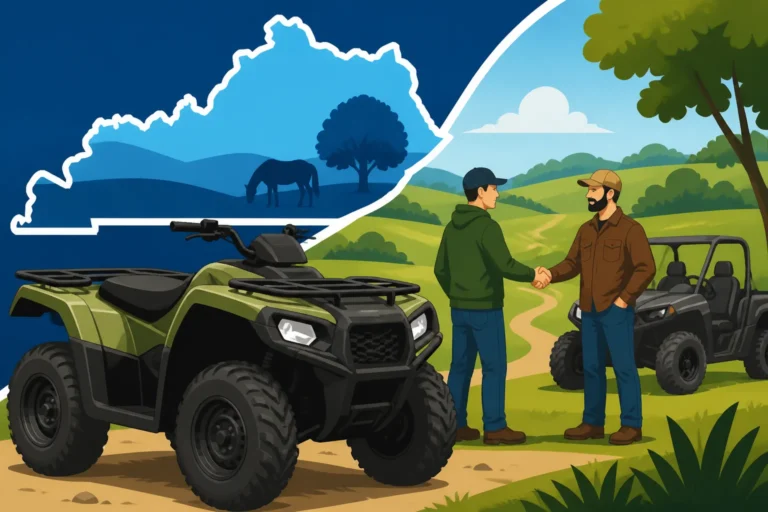
Imagine a time when the paperwork for your ATV was as simple as a handshake and a basic bill of sale. For many years in Kentucky, that was precisely the reality. Prior to July 15, 2010, the state did not require ATVs (All-Terrain Vehicles) or UTVs (Utility Terrain Vehicles) to be titled. This meant that countless machines changed hands without ever receiving an official document from the Kentucky Transportation Cabinet marking legal ownership. It was a simpler time in many ways, but it left a complex legacy for current owners.
For most folks, proving ownership was as straightforward as keeping a handwritten bill of sale or even just relying on community knowledge that "that's so-and-so's quad." There was no central database, no formal title certificate, and therefore, no reason for many owners to ever pursue one. This lack of a formal titling process applied across the board, whether you bought your machine new from a dealer in, say, Pikeville or privately from a neighbor up in Harlan County. Because of this, it's very common to find older machines that have been through several owners and simply never had a title. If you're looking for information on newer machines, you might want to read [Why Kentucky Titles Machines Bought After July 2010].
The Role of a Bill of Sale in the Old Days
In the absence of a state-issued title, the bill of sale was king. This document, often a simple piece of paper detailing the transaction, served as the primary proof of ownership for ATVs and UTVs. It would typically include the names of the buyer and seller, the date of sale, a description of the machine (make, model, VIN if available), and the sale price. Sometimes, it was just a few lines scribbled on a napkin, and other times, it was a more formal, printed document.
For many years, this informal system worked perfectly well for most Kentuckians. A farmer might sell an old three-wheeler to his nephew, jotting down the details, and that was that. The challenge arises now because these documents, if they ever existed, are often lost to time. People move, papers get misplaced, or the original owner might have passed away, leaving no record of the transaction. This makes it incredibly difficult for current owners of these pre-2010 machines to provide a clear chain of ownership, which is something the county clerk now rightfully demands for titling. You can learn more about how to prove your ownership in situations like this by checking out [Proving Kentucky ATV Ownership].
Exceptions to the Rule: When an Older Machine Did Get a Title
While it's generally true that ATVs and UTVs sold before July 15, 2010, weren't titled in Kentucky, there were always a few scenarios where an older machine did end up with a title. These exceptions are important to understand because they can offer a glimmer of hope if you're trying to title a vintage quad that seemingly has no paperwork.
Machines With a Security Interest or Loan
One of the most common reasons an older ATV or UTV might have received a title, even before the 2010 law change, was due to a financial lien or loan. Think about it: if you bought a brand-new machine from a dealership and financed it, the bank or lending institution wanted to protect their investment. For them to hold a security interest in the vehicle, they often required it to be titled. This allowed them to officially record their lien against the machine.
So, if an ATV was purchased with a loan back in 2005, for example, the lender would insist on a title being issued. This title would then show the bank as the lienholder. Once the loan was paid off, the lien would be released, and the owner would receive a clear title. This is why you might occasionally stumble upon a 2008 model ATV with a legitimate Kentucky title, even though the general rule says otherwise. It's a key distinction and offers a pathway for some older machines to have proper documentation. You can read more about this specific exception here: [When a Security Interest Forced an Older Kentucky Title].
Machines Brought in From Out-of-State
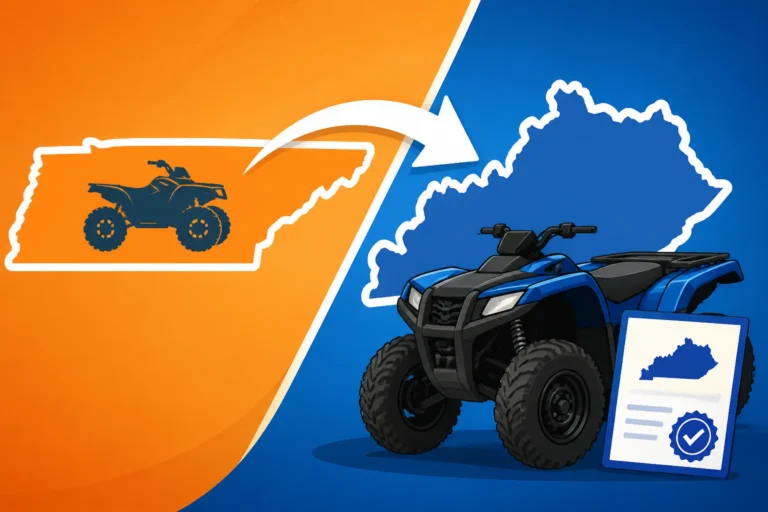
Another scenario where an older machine might possess a title is if it was originally purchased in or brought from a state that did require ATVs and UTVs to be titled, even before Kentucky's 2010 mandate. Not every state had the same titling laws as Kentucky. Some states had stricter regulations and issued titles for these types of machines much earlier.
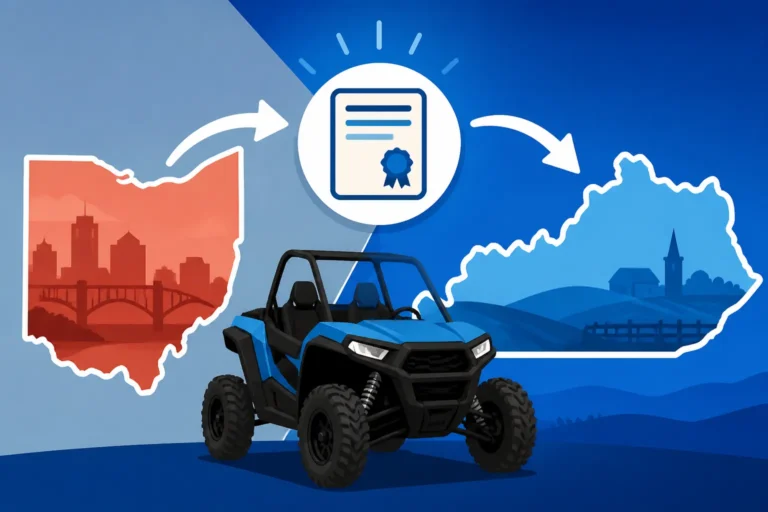
If a previous owner purchased an ATV in, say, Tennessee or Ohio, and that state issued a title for it, and then they later moved to Kentucky, that out-of-state title might have been transferred. Kentucky's titling process allows for the conversion of valid out-of-state titles. So, an older machine that has changed hands multiple times, especially across state lines, might have a legitimate title from its original jurisdiction. This is a situation where having all the previous paperwork from a titling state can be a huge advantage. Remember, even if it's an old title, it's still a title! For more on this, check out [Buying an Out-of-State Machine for Kentucky].
Navigating the Titling Maze for Older, Untitled ATVs
So, you've got an older ATV or UTV that likely falls into the "no title before 2010" category. Don't despair! While it can be a bit more challenging than titling a brand-new machine, there are paths you can explore to get your ownership documented. It requires a bit of detective work and patience, but it's often achievable.
Proving Ownership Without a Title: The Affidavit Approach
When an official title is simply not available, the Kentucky Transportation Cabinet, through your local county clerk, provides an alternative process to establish ownership. This usually involves presenting a sworn affidavit and other supporting documentation. An affidavit is a formal, written statement of facts confirmed by oath or affirmation, typically before a notary public. It’s your declaration, under penalty of perjury, that you are indeed the rightful owner.
Alongside this affidavit, you'll need to gather any other bits of evidence you can find. This might include:
- Original Bill of Sale: Even if it's old and faded, a bill of sale, especially if it includes a VIN, is incredibly valuable. If you purchased the machine years ago and lost the original, sometimes you can get a new one from the seller. [Using a Bill of Sale From a Non-Titling State] can guide you further.
- Prior Registration Documents: Some states had registration, even if they didn't title. If your machine came from one of these states, an old registration card can help.
- Maintenance Records: Receipts for repairs, parts, or service that show your name and the machine's VIN can serve as circumstantial evidence of ownership over time.
- Affidavits from Previous Owners: If you can track down the person who sold it to you, or even previous owners, and they are willing to sign an affidavit stating they sold the machine to you (or to the person who sold it to you), this can strengthen your case immensely. These often need to be notarized. Services like LawDepot offer templates for various legal documents, including bills of sale and affidavits, which can be a real help in ensuring you have the right language and structure.
- A Photo ID: Don't forget, you'll need your own valid photo ID when you visit the clerk's office. [A Kentucky Photo ID at the Clerk's Counter] is a good read on this.
The goal is to build a compelling narrative that proves, to the satisfaction of the county clerk, that you are the rightful and legal owner. This often means filling out Kentucky Form TC 96-182, the Affidavit of Motor Vehicle Assembled from Parts, or a similar ownership affidavit, which is often used in these situations. [Kentucky Form TC 96-182 Explained] delves into the specifics of this form.
The Application for a New Title (When No Title Existed)
Once you’ve gathered all your proof of ownership, you'll typically submit these documents along with an application for a new title to your local county clerk's office. The clerk’s office acts as an agent for the Kentucky Transportation Cabinet in these matters. They will review your submitted evidence. If they are satisfied that you have established clear ownership, they will then process your application for a new Kentucky ATV title.
This process isn't always quick or straightforward, and the requirements can sometimes vary slightly from one county clerk to another, reflecting the nuances of local interpretation and specific situations. Be prepared for potential questions and be ready to provide more information if requested. It’s a bit like building a legal puzzle piece by piece. The fees involved will typically include the title application fee and potentially a notary fee if you don't get your documents notarized beforehand. [Titling at a Kentucky County Clerk] offers more insight into this process.
Due Diligence: What to Check Before You Buy an Older Machine
If you're in the market for an older ATV or UTV in Kentucky, it's vital to perform some serious due diligence before you hand over any cash. The headache of trying to title an unknown machine can quickly outweigh any upfront savings. Here’s what you should do:
- Ask About the Title FIRST: Always, always ask the seller if they have a clear Kentucky title in their name. If they say no, ask why. Their answer should align with the historical context discussed here (e.g., "It's an '08, never had one").
- Request a Bill of Sale: Even if there’s no title, insist on a comprehensive bill of sale. Make sure it includes the seller's full name, address, signature, the date, your full name and address, a detailed description of the ATV (make, model, year, and crucially, the VIN), and the sale price. Services like LawDepot can provide professional bill of sale templates that ensure all necessary information is included, protecting both buyer and seller.
- Inspect the VIN: Locate the Vehicle Identification Number (VIN) on the machine. It’s usually stamped on the frame. Compare this VIN to any paperwork the seller provides. A consistent, unmolested VIN is critical. If the VIN looks altered, ground off, or if the seller is evasive about it, walk away. You can also try to run the VIN through a database if available to check for theft or outstanding liens. [Checking a VIN Before a Kentucky Purchase] is an essential read here.
- Verify Seller Identity: Ask for the seller's photo ID and compare the name to the bill of sale. This helps confirm you’re dealing with the actual owner.
- Beware of "Too Good to Be True" Deals: If the price is exceptionally low for a machine that seems otherwise fine, and there’s no title, it's a huge red flag. It could indicate a stolen machine or one with a convoluted ownership history that will be nearly impossible to resolve. You might find this helpful: [Should You Buy a Quad Advertised With No Title?].
| Proof of Ownership Option | Description | When It's Most Useful | Considerations |
|---|---|---|---|
| Signed Bill of Sale | A document detailing the transaction between buyer and seller, including machine details and VIN. | Always, especially for machines bought pre-2010. | Must be legible, include all parties' details, and ideally a VIN. The more formal, the better. Easy to create with platforms like LawDepot. |
| Affidavit of Ownership | A sworn statement by the current owner, detailing how they came to possess the machine, signed before a notary. | When a formal title or robust bill of sale is missing, and other proof is circumstantial. | Requires a notary. Needs to be detailed and truthful. Can be combined with other evidence. |
| Previous Owner Affidavit | A sworn statement from the person who sold you the machine, confirming the sale. | Highly valuable if you purchased from a private party without a title. | Depends on the previous owner's willingness to cooperate. Should ideally be notarized. |
| Maintenance/Repair Records | Receipts or invoices for work done on the ATV, showing your name and the machine's VIN. | As supporting evidence to corroborate your claim of long-term ownership. | Not sufficient on its own, but strengthens your case. Ensure they include VIN. |
| Out-of-State Title/Registration | Official documentation from another state that required titling or registration for ATVs. | If the machine originated from or was previously owned in a titling/registering state. | Must be valid and transferable. Kentucky will likely require verification with the issuing state. |
By being proactive and understanding these nuances, you can avoid common pitfalls and significantly improve your chances of successfully titling your older Kentucky ATV or UTV. Remember, the journey to getting an older machine legally documented might involve a few extra steps, but the peace of mind is absolutely worth it.
Disclaimer
This article is for general informational purposes only and does not constitute professional advice. Laws, prices and regulations vary by location and change over time. Consult a qualified professional for guidance on your specific situation.