Checking In at Leatherwood’s Old Mining Office
Arriving at Leatherwood Off-Road Park and not knowing whether the old mining office is the right place to start can make a ride feel stressful before you even unload. This guide explains how to prepare for check-in, what to confirm when you arrive, and how to leave with a clear plan for your machine, your group, and the trails ahead.
Before You Head to Leatherwood
Confirm the check-in plan before loading
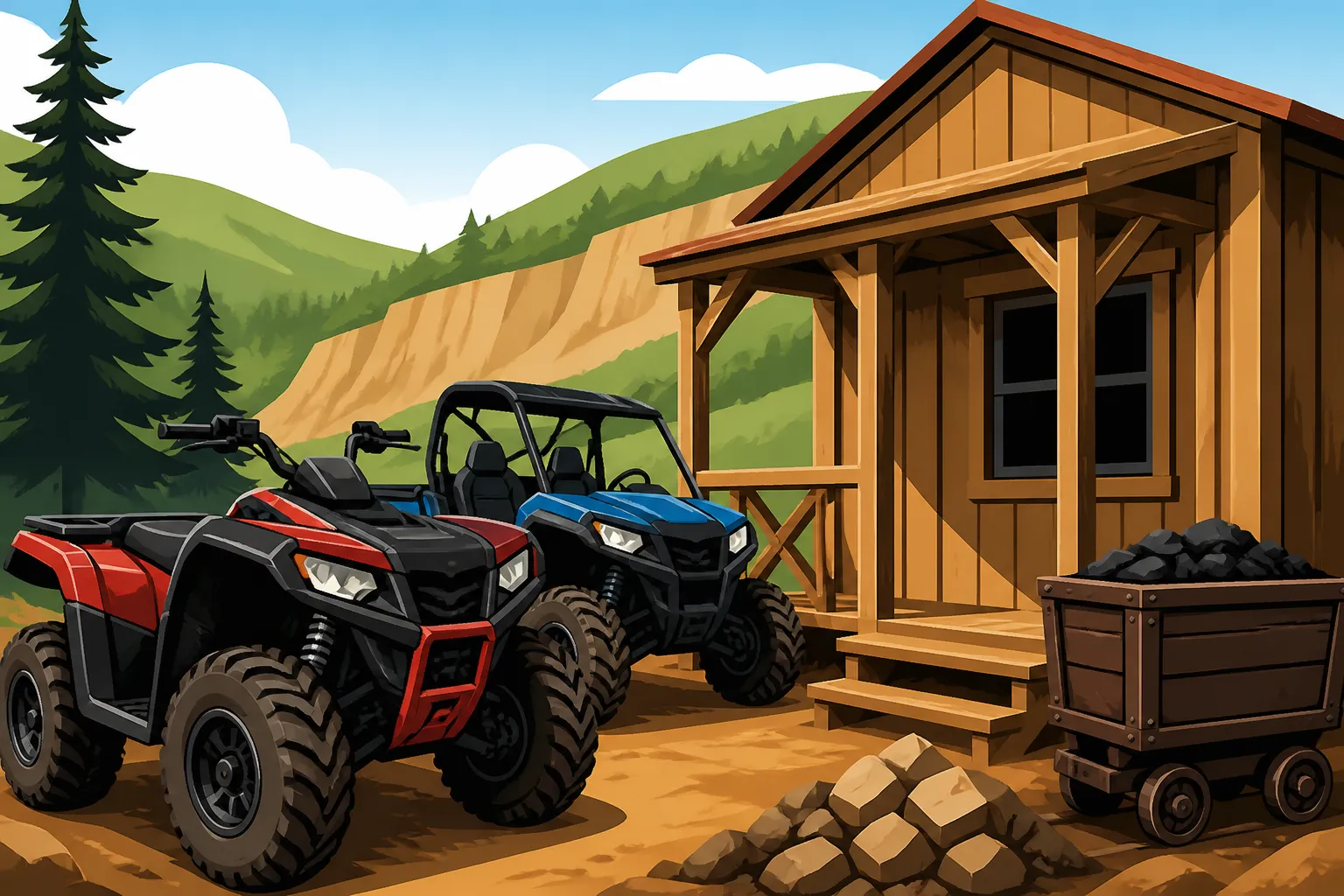
Leatherwood’s old Blue Diamond mining office is closely associated with the park, but check-in details can depend on the visit, the services you have arranged, and the park’s current instructions. Before setting out, confirm where your group should report, whether you need to check in before unloading, and what information the park needs from each rider. Don’t assume a familiar building, gate, or trailhead is still the correct first stop just because it was used on a previous trip.
This matters especially when you’re arriving with a trailer, meeting friends at a different time, or booking a stay or other service alongside your ride. A quick confirmation can prevent the frustrating routine of unloading, discovering you’re in the wrong place, and then having to reposition a trailer on an unfamiliar road. If your group is arriving in separate vehicles, make sure everyone knows the agreed meeting point and who is handling the check-in.
It’s also sensible to check for operating notices before you leave home. Weather, trail conditions, access arrangements, or park procedures can affect the day. Use the park’s own current communication for official instructions, and consider [Kentucky Trail Conditions Before You Ride] and [Checking a Kentucky Trail Notice First] when building your pre-trip routine.
Get your people, machine, and paperwork ready
A smooth check-in starts before you reach the office. Keep any booking details, identification, waivers, payment method, and machine information that the park requests easy to reach. Requirements can differ, so confirm what applies to your visit instead of relying on another rider’s memory. If one person is handling paperwork for a whole group, check that they have the details needed for every rider and machine.
Give your machine a basic look-over before departure. Check tires, brakes, lights, fuel, and any loose cargo. A small issue discovered in your driveway is easier to deal with than one noticed after your group has checked in and is ready to ride. If you’re trailering in, secure the ATV or UTV carefully and allow room for the practical delays that come with parking, unloading, and getting everyone organized.
A simple checklist can keep the morning from turning into a search through glove compartments and bags:
| Before you leave | Why it helps |
|---|---|
| Confirm the check-in location and arrival instructions | Avoids driving to the wrong entrance or stopping area |
| Gather booking details and requested documents | Keeps the check-in process from stalling |
| Check the machine and trailer | Catches avoidable problems before the ride |
| Tell the group where to meet | Reduces confusion when vehicles arrive separately |
| Review park notices and trail information | Helps you plan around conditions or closures |
| Carry a paper map or saved navigation information | Provides a backup if phone service is poor |
For a longer visit, such as [Riding Leatherwood for Three Days], build in extra time on arrival. A group that plans to ride soon after check-in should still leave enough room for unloading, fitting helmets, reviewing the day’s route, and making sure nobody is rushing into the first trail.
What to Do at the Old Mining Office
Ask the questions that shape your ride
When you reach the designated check-in point, take a moment to confirm the practical details rather than treating the stop as a quick formality. Ask which routes are open for your type of machine, whether any areas have temporary restrictions, and what the park recommends for riders with your experience level. If you’re traveling with children or newer riders, say so; a route that feels straightforward to one group may be tiring or uncomfortable for another.
Clarify the rules that are easiest to overlook in the excitement of getting started. Ask where riding is permitted, whether there are specific routes your machine should avoid, and what to do if your group encounters a closure, a blocked section, or a trail condition that feels unsafe. If your plan includes stopping for fuel, food, or a break, ask whether there are designated places to do that and how far they are from your intended route.
It can help to write down the answers or save them in a group message. “We were told to take the blue route” is less useful if nobody knows which map or marking system that refers to. Ask the staff member to point out the route on the map or explain how trail markings match the information you’ll use on the ground. For additional route-planning ideas, see [Kentucky Trail Maps Worth Carrying].
Make sure every rider understands the plan
Before leaving the check-in area, gather the group for a short briefing. Agree on who leads, who rides at the back, and where everyone will stop if the group gets separated. Set a pace that suits the least experienced person, not just the rider eager to get moving. On a larger group ride, establish a simple rule: no one takes a different turn or continues past a stop without making sure the riders behind them know what’s happening.
This conversation is useful even when everyone has ridden together before. Trail surfaces, visibility, and group spacing can change the feel of a route. A rider who is comfortable on a wide, open section may feel differently on a narrow bench or a steep, uneven climb. Talk about what people should do if someone needs to stop, has a mechanical problem, or wants to turn back early.
If you use onX Offroad, you can review your planned route and location information together before setting off. It can be a helpful navigation aid, but don’t assume a phone app replaces the park’s current directions or posted notices. Compare what you see in the app with the information provided at check-in, and use the operator’s guidance when there’s a conflict. For trail-side courtesy and group spacing, [Kentucky Trail Etiquette on Narrow Benches] is also worth reviewing.
Planning Routes and Staying Oriented
Match the route to your group and conditions
Leatherwood is associated with a large riding area, and that can make route choice feel overwhelming if you arrive without a plan. Don’t treat the number of available trails as a challenge to cover as much ground as possible. Choose a ride that fits your group’s time, fuel, machine setup, and comfort level. A shorter route with room for breaks often makes for a better day than an ambitious loop that leaves everyone tired or worried about getting back before dark.
Ask about surface and difficulty, not just distance. A route that looks manageable on a map may include climbs, rough ground, or narrow sections that feel demanding to a newer rider. Weather matters too: recent rain can change traction, drainage, and the condition of low or exposed areas. If you’re unsure, ask for a conservative option first and leave the possibility of extending the ride for later.
Use onX Offroad as one layer of your preparation, not as the final authority on access. Before the ride, review the map and save any information you expect to need. At check-in, compare your planned route with current park guidance and ask whether anything has changed. That small cross-check can help prevent the awkward situation of following a digital line that doesn’t reflect a current closure or local instruction.
Carry a backup and agree on what happens if plans change
Phones can lose signal, batteries can drain, and riders can take a wrong turn even when they know the general route. Keep your navigation plan usable without relying on a live connection, and consider carrying a paper map or writing down important directions. If your group uses onX Offroad, make sure the people who may need it know how to open the saved map and understand the location marker before they’re out on the trail.
Agree on a regrouping point before leaving the office. It might be a clearly identified junction or another location recommended by park staff. Make sure everyone knows what to do if they become separated: stop somewhere safe, avoid taking an unplanned route to catch up, and use the agreed method to reconnect. The exact procedure should fit the park’s guidance and the communications available to your group.
A useful preparation step is to share the day’s basic plan with someone who isn’t riding: where you expect to start, who is in the group, and when you expect to be back. This isn’t a substitute for responsible riding or park procedures, but it gives someone outside the group a clearer picture if your plans change. Check [Kentucky Trail Closures to Check First] and [Kentucky Trail Seasons and Closures] as part of your planning, then confirm the day’s specifics when you arrive.
Common Check-In Snags and How to Avoid Them
Arriving at the wrong place or at the wrong time
A common source of stress is assuming that the office, a parking area, and a trail entrance all serve the same purpose. They may not. Follow the specific directions you received for your visit, and contact the park if anything is unclear before you start driving unfamiliar roads with a trailer. If you arrive and the expected check-in point isn’t obvious, pause and confirm rather than guessing where to park or unload.
Build a little flexibility into your arrival time. A late start can make every small delay feel bigger: one person needs to find paperwork, a trailer needs repositioning, or the group has questions about a route. Allowing time for those ordinary snags makes the visit calmer and gives you space to listen carefully to the instructions that matter.
If your group is staying nearby, make sure everyone understands the distinction between lodging or camping arrangements and riding access. A place to sleep near the trails does not automatically answer questions about where to check in, what permits or permissions apply, or which routes are open. For trip logistics, [Camping at a Kentucky Trail Park] and [50,000 Acres on Lease] provide useful related reading, but confirm the details that apply directly to your visit.
Leaving without a clear return plan
Before riding away from the office, know how you’ll handle the end of the day. Ask where the group should return, what to do if you finish later than expected, and whom to contact if a machine develops a problem. Don’t assume the same instructions apply to every parking area or visit. Clear directions at the start can prevent confusion when riders are tired and trying to load up.
Think about daylight, fuel, and the pace of your least experienced rider. If your group has a slow climb, a long break, or a mechanical check, the day can take longer than the route estimate suggests. Set a time to turn back or shorten the ride, and make sure everyone is comfortable following that decision. Turning around before someone feels pressured to continue is good judgment, not a failed outing.
Finally, take a moment to check that everyone has their essentials before leaving the check-in area: helmet, eye protection, water, phone or other communication device, and anything else needed for the planned ride. A deliberate start makes it easier to enjoy the trails and respond calmly if the day doesn’t go exactly to plan.
Disclaimer
This article is for general informational purposes only and does not constitute professional advice. Laws, prices and regulations vary by location and change over time. Consult a qualified professional for guidance on your specific situation.